Read More

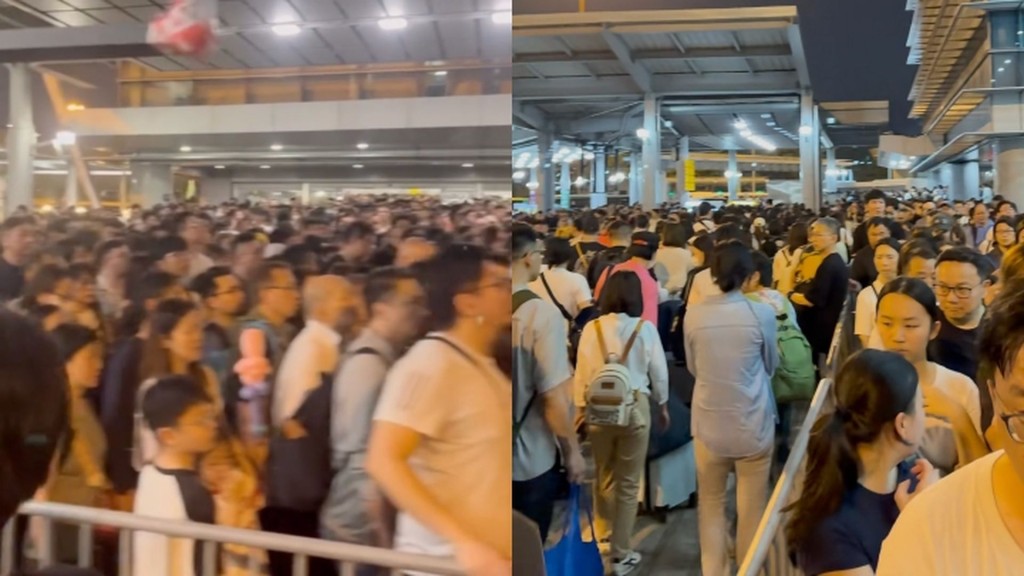
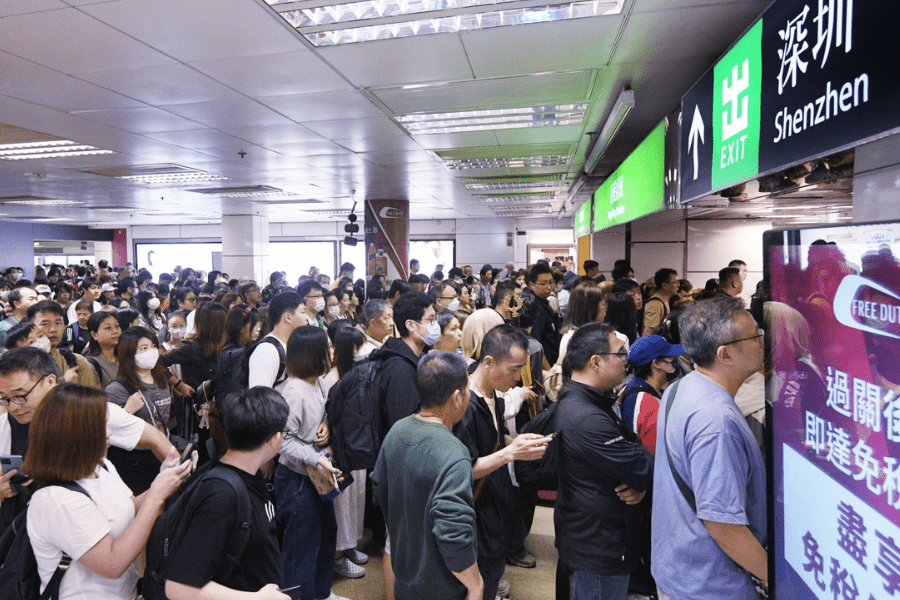
Nearly 1.26mn Hongkongers hop out of town, with 225,000 crossings by 10am
05-04-2026 17:11 HKT

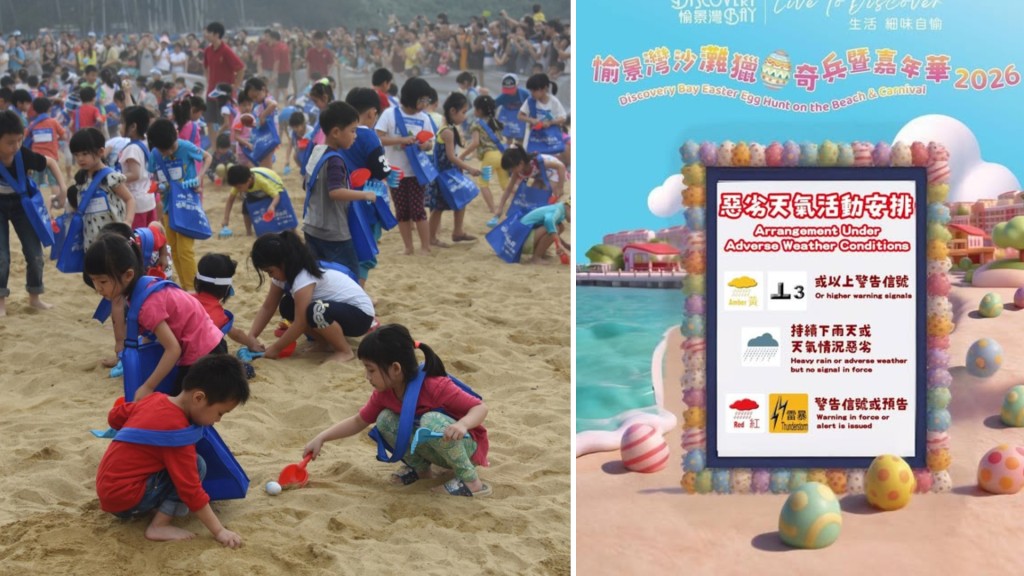
Families disappointed after Discovery Bay Easter Egg Hunt cancellation
05-04-2026 19:58 HKT
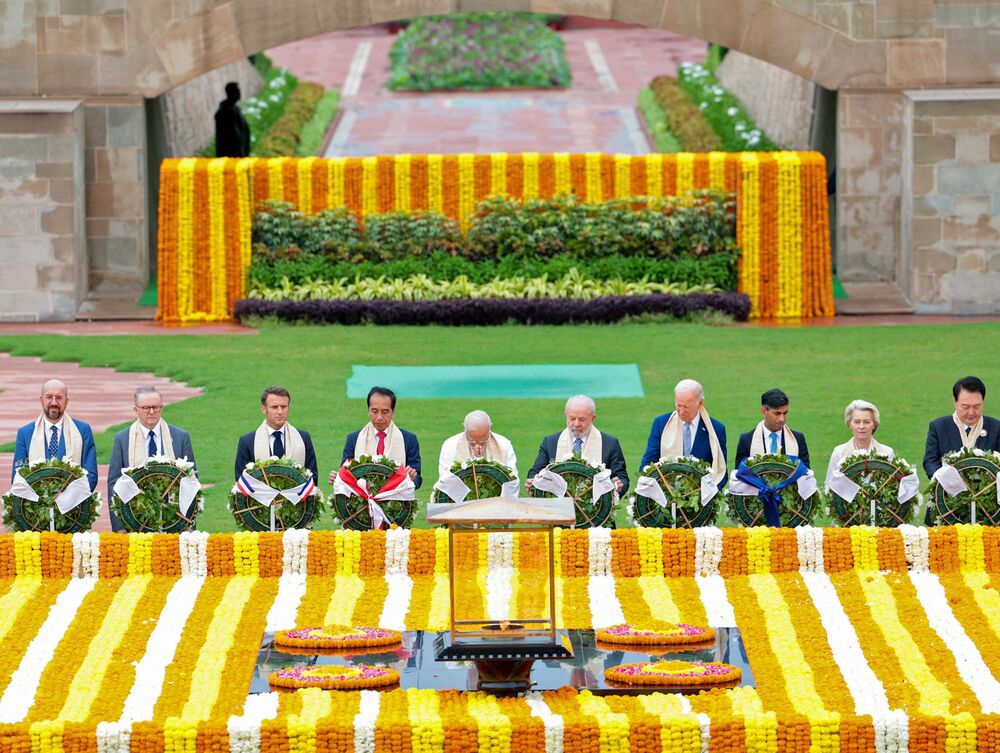
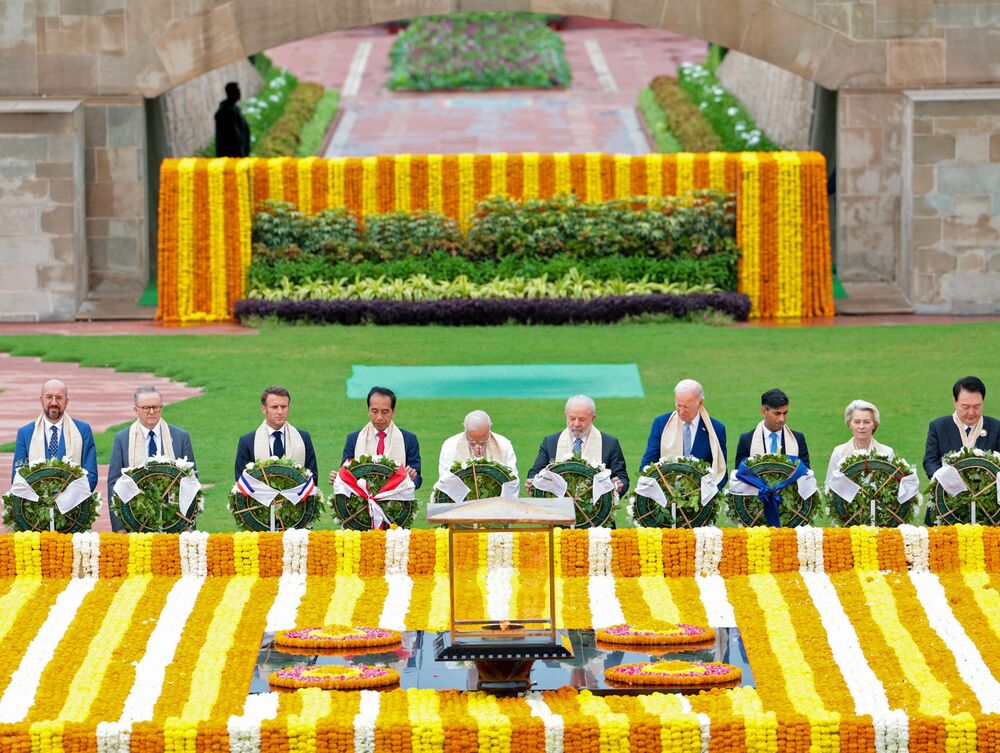
Group of 20 leaders paid their respects to Indian independence leader Mahatma Gandhi as their summit came to a close yesterday, a day after the group added a new member and reached agreement on a range of issues.
The group of rich and developing nations welcomed the African Union as a member, part of Indian Prime Minister Narendra Modi's drive to lift the Global South. And host India was also able to get the disparate group to sign off on a final statement despite disagreements, mostly about the Ukraine conflict.
India also unveiled an ambitious plan with the United States, the European Union and others to build a rail and shipping corridor linking it to the Middle East and Europe.
With those major items cleared, leaders posed for photographs with Modi at the Rajghat memorial site in New Delhi.
Some leaders, including British Prime Minister Rishi Sunak and last year's G20 host President Joko Widodo of Indonesia, walked to the memorial barefoot in a show of respect. But US President Joe Biden and others wore slippers as they walked over wet ground.
Brazil's President Luiz Inacio Lula da Silva took over the G20 rotating presidency at the summit's end. He hopes to rebuild Brazil's standing after a period of international isolation under far-right former leader Jair Bolsonaro.
In the months leading up to the meeting in New Delhi the hosts were unable to find agreement on the wording about Ukraine, with Russia and China objecting even to language they agreed to at the 2022 G20 summit in Bali.
So this year's final statement highlighted the "human suffering and negative added impacts of the war in Ukraine" but did not mention Russia's invasion directly.
Western leaders - who have pushed for a stronger rebuke of Russia's actions in past G20 meetings - still called the consensus a success.
Xi Jinping and Russia's Vladimir Putin did not attend, ensuring no tough face-to-face conversations with their American and European counterparts.