Read More
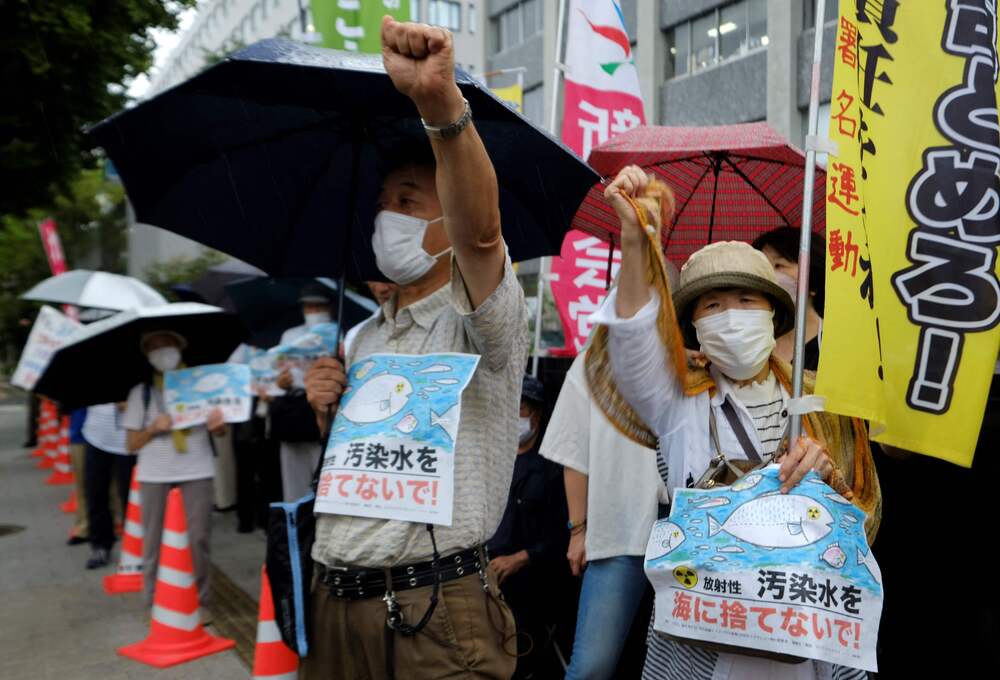
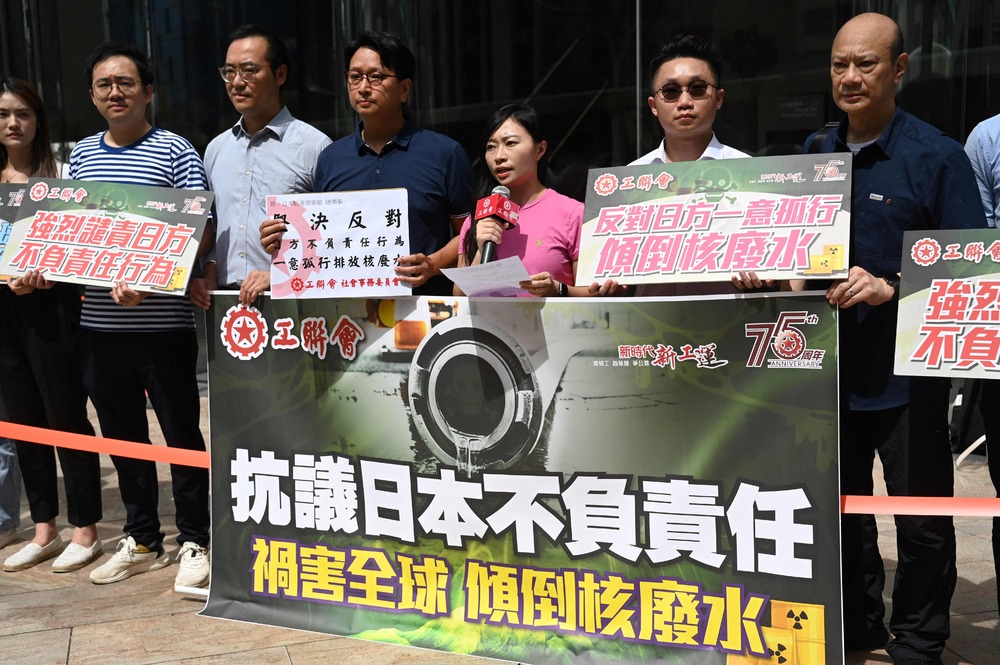
China accused Japan yesterday of planning to "arbitrarily dump nuclear-contaminated water as many staged demonstrations in South Korea and denounced Tokyo "for killing the ocean."
ADVERTISEMENT
SCROLL TO CONTINUE WITH CONTENT
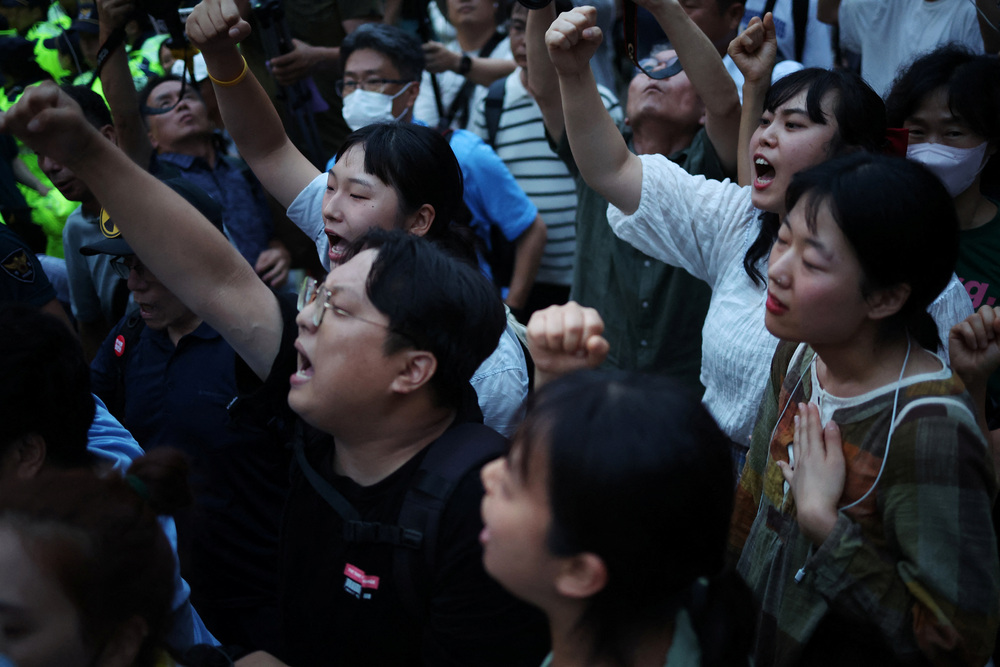
Dozens of protesters gathered in front of the Japanese embassy in Seoul, with more rallies planned.
In Beijing, foreign ministry spokesperson Wang Wenbin said: "The ocean is the common property of all humankind, not a place for Japan to arbitrarily dump nuclear-contaminated water."
He said China will take "necessary measures to safeguard the marine environment, food safety and public health," but did not mention any specific measures.
China has already accused Japan of treating the ocean like a "sewer," banning imports of food from 10 prefectures even before the release and imposing strict radiation checks.
South Korea said it sees no problem with the scientific or technical aspects of Japan's plan to release wastewater, but it does not necessarily support the plan.
Seoul said in a statement it had been notified by Japan of its decision and believes it will execute the release according to the plan.
"We have assessed that there are no scientific or technical problems with the plan to release the contaminated water," it said. "But we want to make clear that our government does not necessarily agree with or support the plan to release contaminated water."
The administration of President Yoon Suk Yeol has faced a fine line over the issue as it seeks to improve relations with Japan while the risk of a consumer backlash persists at home.
The opposition Democratic Party, however, said its "battle" to stop the release would continue, calling Japan's plan "selfish and irresponsible."
In Japan, most Fukushima fishermen are tight-lipped, but the Haruo Ono, 71, said they are "100 percent against" the decision.
"The sea is where we work. We make a living off of the sea, we're at the mercy of the sea. So if we don't protect the sea, who would?"
Masanobu Sakamoto, head of Japan's national fisheries cooperative, reiterated his opposition to the move. "[Scientific] safety doesn't necessarily equate to a feeling of security in society. There are concerns that the once the water is discharged, there will be reputational damage," he said.
"There is no way people in the fisheries industry can rest reassured."
People in the fishing industry "really had a hard time in many aspects [after 2011]," said Ono, whose three sons are also fishermen.
And now, after 12 years, they are finally settling down and moving toward happiness - gradually,"
But what the "government is doing now is to abandon Fukushima," he said.
"What the government should truly protect is the people of Fukushima, the fishermen, not Tepco."
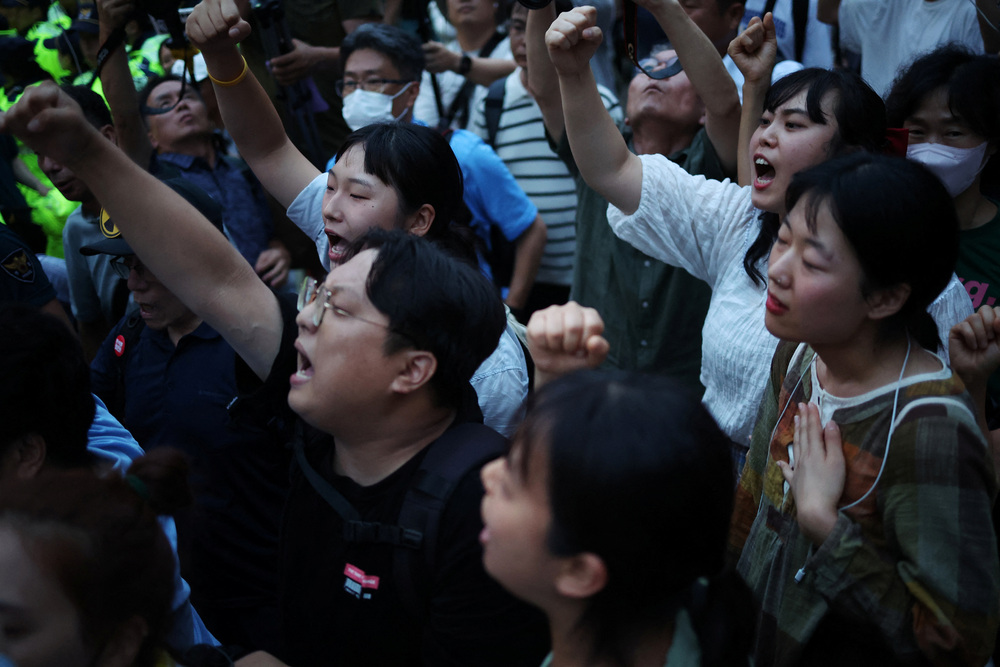
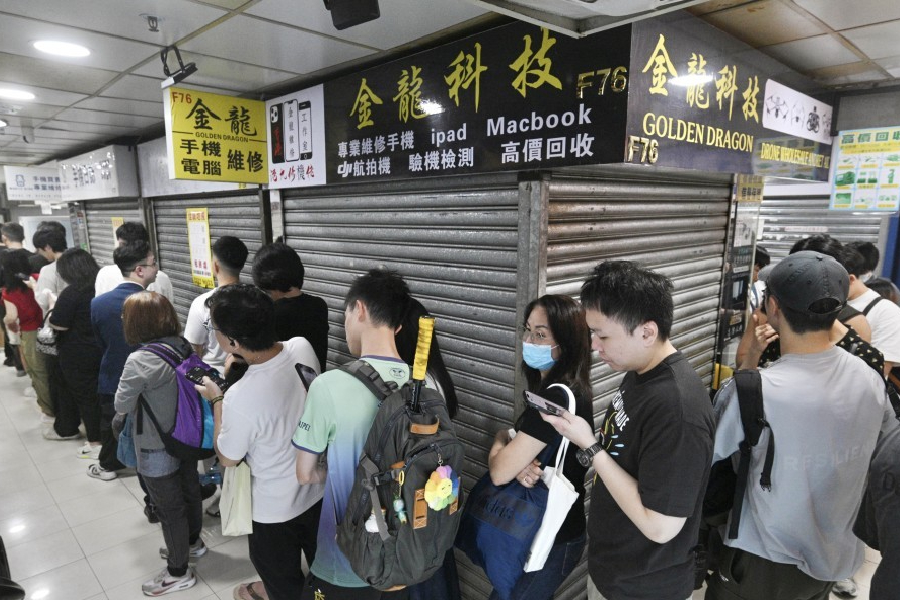
Protesters voice their anger in, clockwise from above, Seoul, Tokyo and Hong Kong. REUTERS