Read More
CLP has brought in drones and a robot to aid checks on high- risk and inaccessible areas, which could save millions of Hong Kong dollars for each major inspection.
ADVERTISEMENT
SCROLL TO CONTINUE WITH CONTENT
The five drones and a crawler robot have been used in two power plants in Tuen Mun - Castle Peak Power Station and Black Point Power Station - saving the company millions of dollars for each large-scale check which takes place every one or two years.
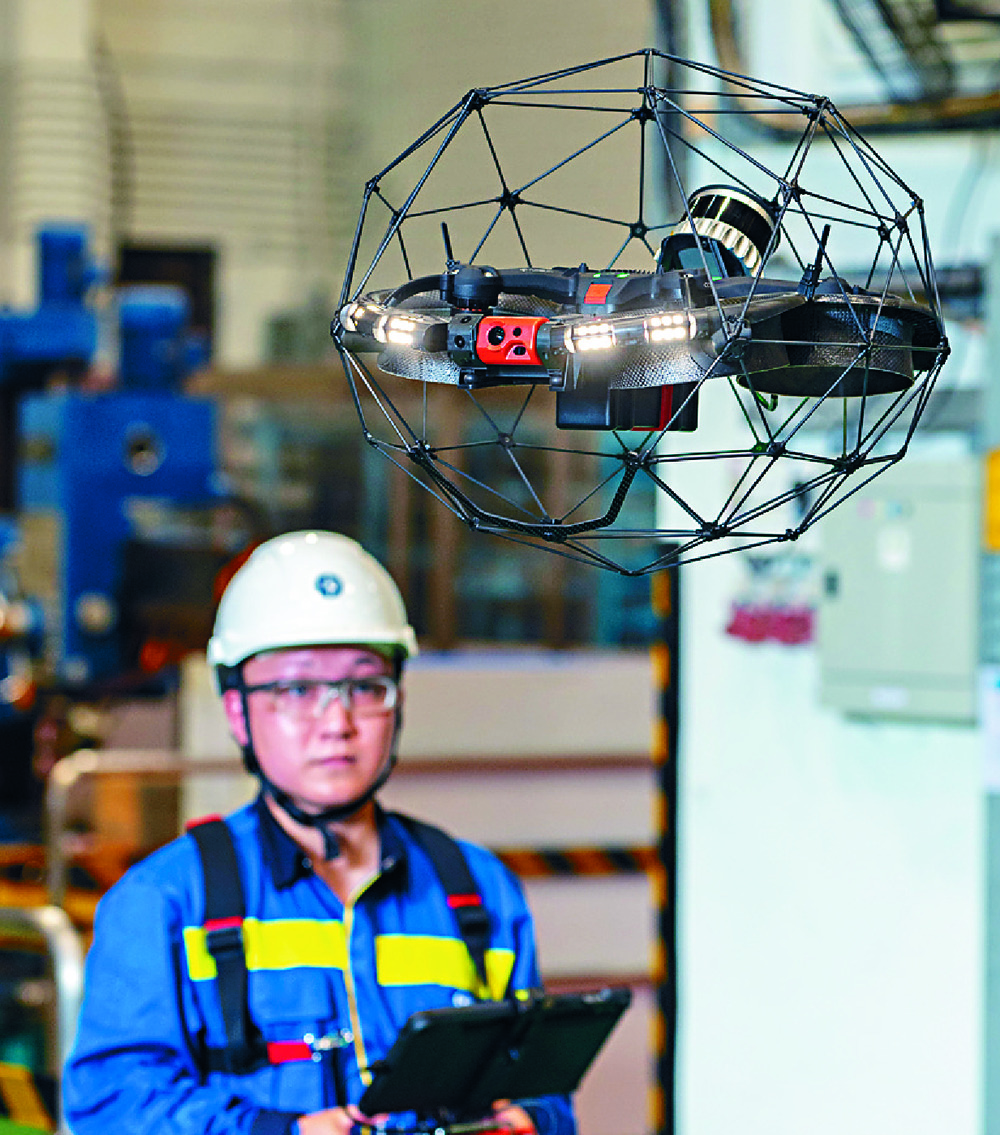
The five drones, imported in 2019 from Switzerland, each costs over HK$100,000. Two drones are used for indoor work, while the other three operate outdoors.
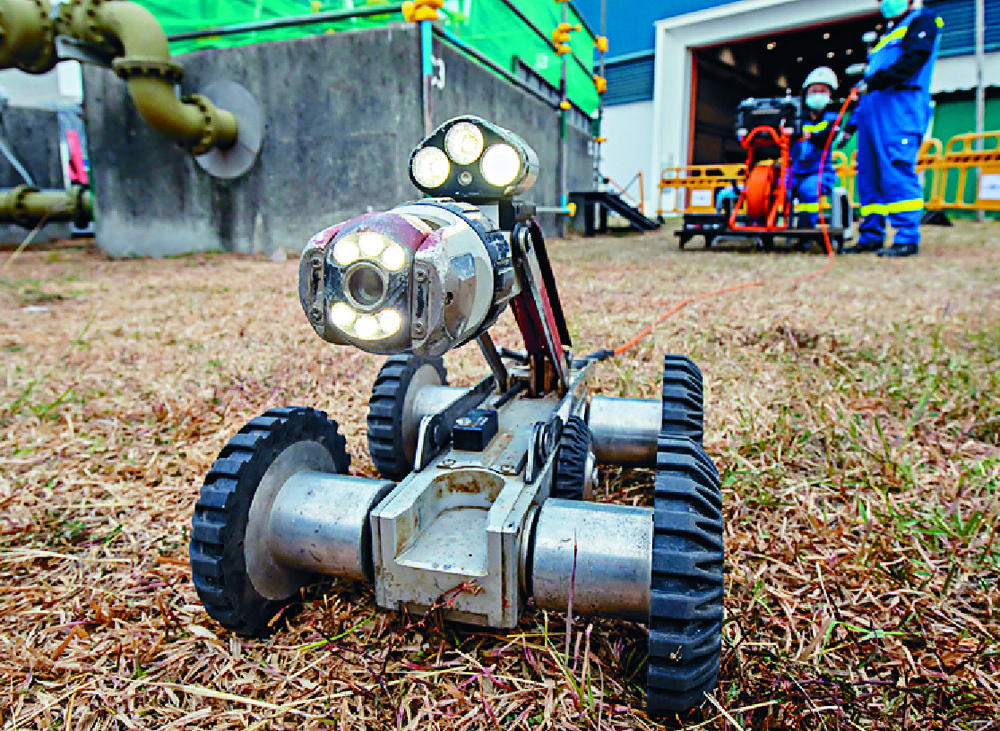
The power company also introduced a crawler robot in 2021.
The director of generation engineering, Ng Ki-on, said: "Our boiler is around 20 stories high. It brought us lots of challenges to check and fix it.
"We usually took 12 days to build the scaffolding for the check. Now with the help of drones the check can be completed in one to two days," Ng said.
"Each scaffolding for large-scale checking costs HK$2 million to HK$3 million to build," he added.
"The biggest problem we faced was that the technology was not built for power plants."
Outdoor drones use GPS to track locations, which may not work in indoor enclosed spaces in power plants.
CLP chose cage drones, a small one that uses light detection and ranging sensors to fly instead of GPS.
CLP said with the sensors, those drones know their locations and can stabilize themselves, so they can fly steadily and keep a safe distance from the object under inspection.
The company also makes 3D models with drones, which helps CLP get data on heights of places and to better prepare for repairs.
"With the drones, we can now see visual, thermal and Lidar images," Ng said.
Before having the crawler robot, CLP staff had to go into condenser inlets, which are large drains filled with seawater for cooling generators, carrying 10 kilograms of equipment with them.
The senior engineer of CLP Power, Selena Yang Hui-min, said: "In the past, staff had to take a break every 30 minutes to change their oxygen bottles in the inlets. It took five to seven days to do the check; now it only takes two days with robots."
She said the robot also made the checks more comprehensive, as the robot could spin around important spots to check the details.
"We also keep the full video recorded during the check for future reference and to establish more comprehensive checking plans," Yang said.
Besides checking, CLP hopes to use these new technologies to help with repair work in the future.
"We hope to use mechanical help to clear obstacles in dangerous areas such as locations at overhead levels," Ng said. "We will collaborate with local innovative technology teams to improve operations."
However, CLP does not expect the electricity bills to go down.
"There are various costs of power generation; operational costs are only part of it. For me I would think about whether that could prevent the electricity bills from increasing too much," Ng said.

Engineers use drones and robots at Castle Peak Power Station and other high-risk and inaccessible areas.