Read More

Night Recap - October 16, 2026
7 hours ago
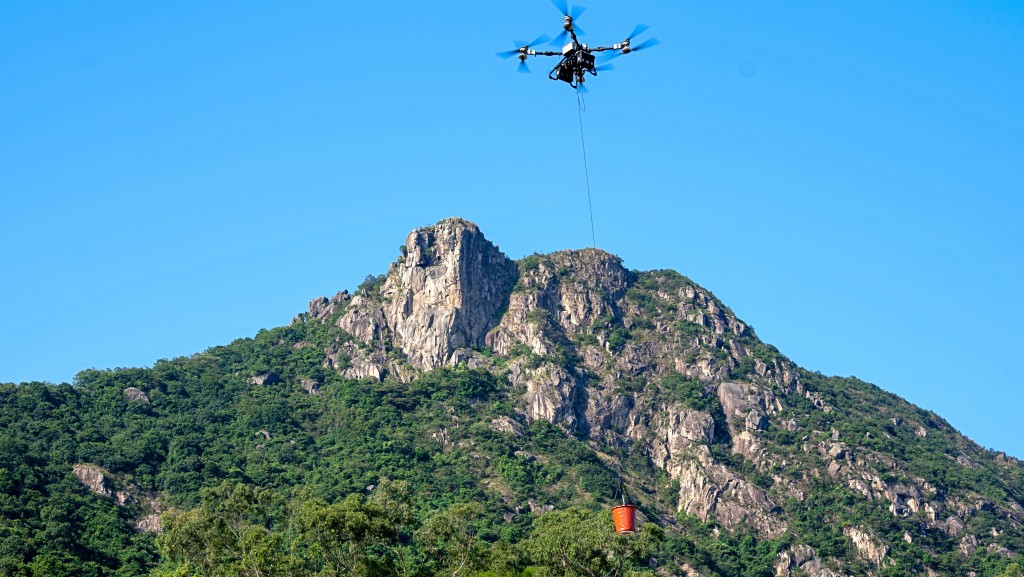
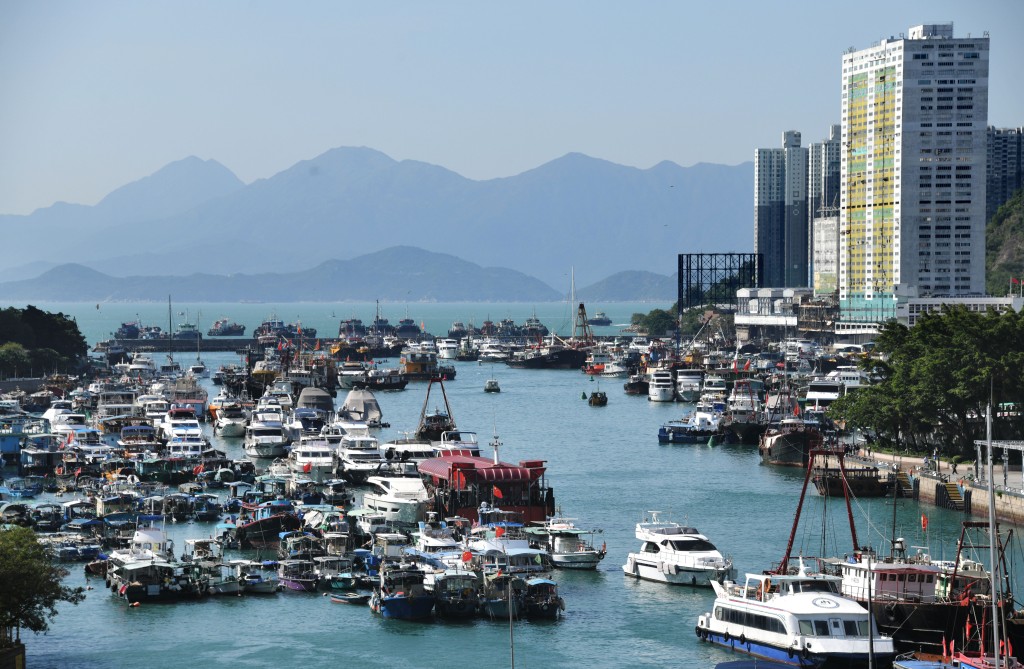
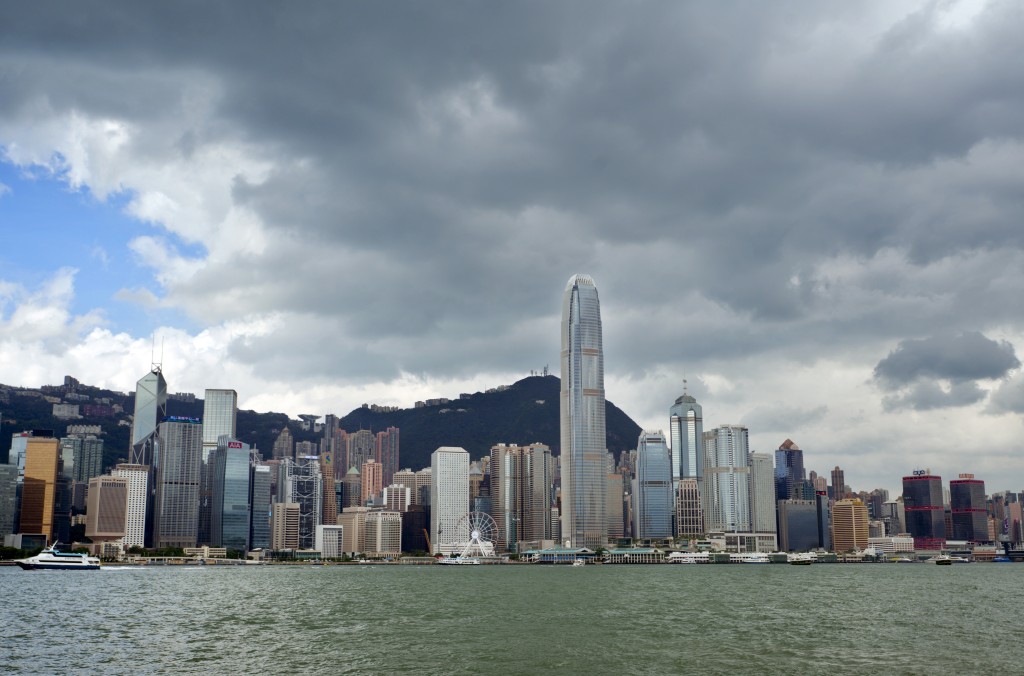
HK unlikely to be hit as Typhoon Champi gathers strength
15-10-2026 17:54 HKT

Elon Musk unveils Tesla's 'flying' car
10 hours ago
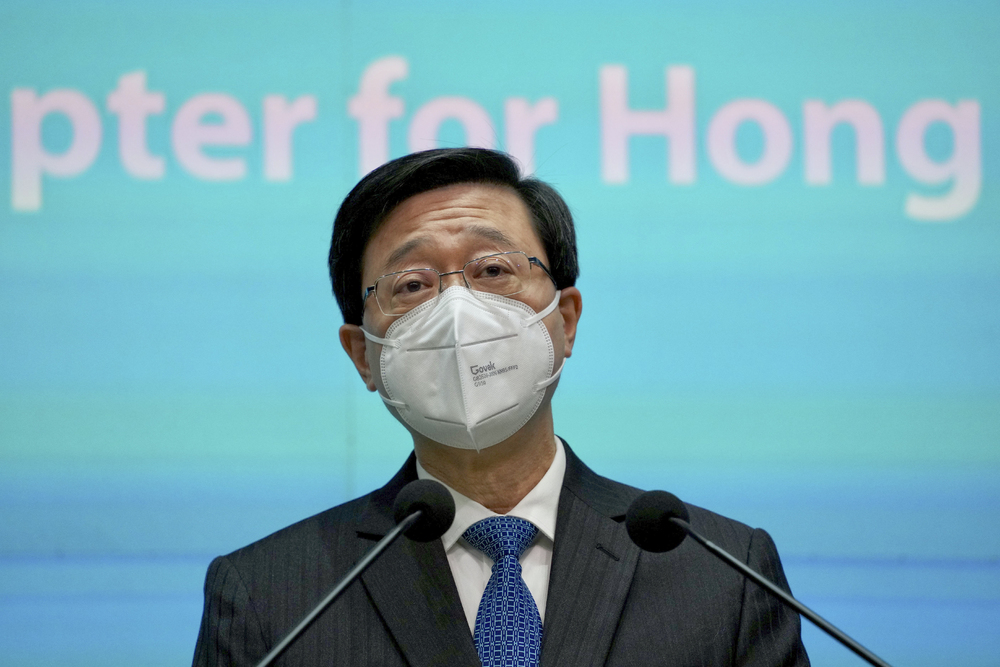
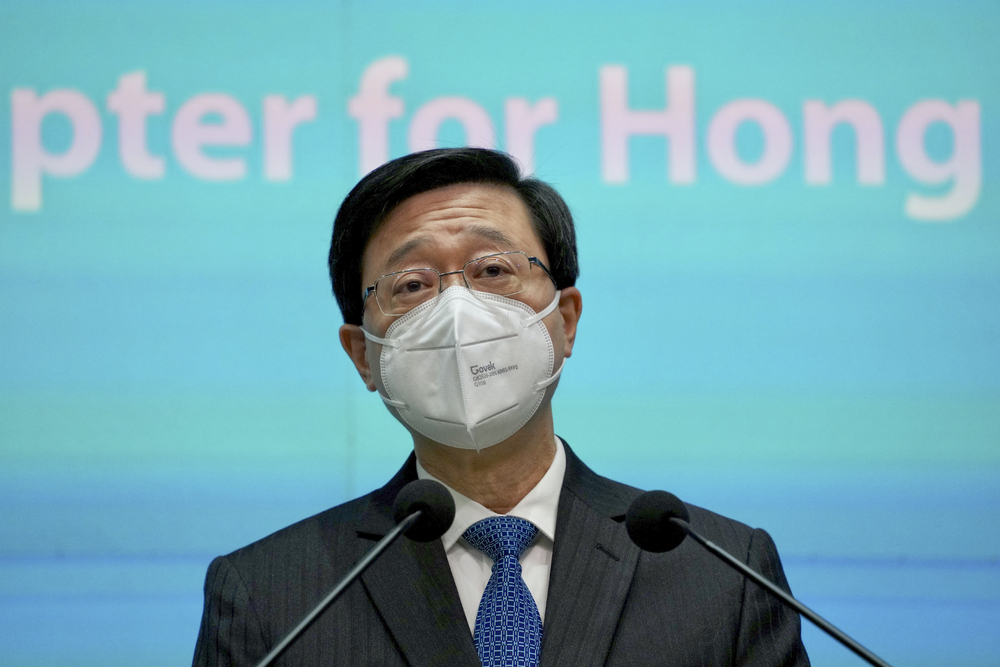
The LeaveHomeSafe health code of red and yellow will affect only a small number of people to minimize transmission risks and ease shortening of hotel quarantine, says Chief Executive John Lee Ka-chiu.
Speaking before the Executive Council meeting yesterday, Lee said the red and yellow codes that the government is working on have narrow application.
Those confirmed to have been infected will be given a red code as they should not be going around to spread the virus, while overseas arrivals who have completed their seven-day hotel quarantine but are still under another seven days of medical monitoring will be given a yellow code.
"We will introduce this yellow code for them when we design measures to allow them to have some limited activities, so that business can continue in a much more normal way, and we need some identification method," Lee said.
"That is the whole purpose of the red and yellow codes,
"I can assure you that the red code and yellow code that we are planning are only targeting those two groups of people. Other people will not be affected," he said.
Lee also said authorities would like to minimize the restrictions caused by anti-epidemic measures so most people can carry out their own activities without restrictions.
"What we are trying to do is to be scientific and precise in our actions, so that on the one hand, we can protect people who face such high risks, and at the same time we allow people to come in and out of Hong Kong more easily and more conveniently," he said.
"That is why we are trying to reduce the number of days that a person will have to be isolated in a hotel or quarantined in a hotel, so that they can then go about their normal activities," Lee said.
"It is a balancing act which is not easy but has to be taken into consideration based on actual circumstances."
He did not give details on the shortened quarantine.
Lee said when planning and introducing any measures, authorities will carefully review all issues involved and explain to the public clearly.
He dismissed worries that the government would use the anti-epidemic measures for other purposes.
"Any measures meant for tackling the epidemic will not be used for other purposes. It's not going to happen and this is unrealistic. If anyone wants to stir trouble with this, let me say here categorically that it's not a fact. It's not true. Don't believe in such things," Lee said.
Meanwhile, Lee will lead his top secretaries - including the Chief Secretary for Administration, Eric Chan Kwok-ki, Financial Secretary Paul Chan Mo-po and Secretary for Justice Paul Lam Ting-kwok - and their deputies, as well as the director of the Chief Executive's Office, Carol Yip Man-kuen, in an "antechamber chats" session for informal exchanges before the Legislative Council session this morning.
Starting at 9.15am, the 90-minute meeting will consist of three 30-minute sessions, each attended by about 30 lawmakers.
"I hope this antechamber chat session is only the beginning as I would like to establish a standing mechanism for people to meet, interact and follow up," Lee said.
It is understood the next exchange is expected to be held in October.
Through his spokesman, Legislative Council president Andrew Leung Kwan-yuen said he believed regular face-to-face exchanges can help the legislature and the executive to build close cooperation, especially when authorities are mulling policies.
Lee said the four task forces to tackle poverty, land supply, public housing and district affairs had their first meetings yesterday.
Authorities will launch a three-month Hong Kong New Cityscape cleaning-up campaign in a month to enhance the city's environmental hygiene, the district matters coordination task force led by the Deputy Chief Secretary for Administration, Cheuk Wing-hing, decided after its first meeting.
Members of a task force on public housing projects led by the Deputy Financial Secretary, Michael Wong Wai-lun, reviewed the overall public housing supply for the next 10 years. It will have about 100,000 units in the next five years, and housing production will increase to more than 230,000 units in the second five-year period.
sophie.hui@singtaonewscorp.com