Read More











HK movie producer Raymond Wong Pak-ming convicted of insider dealing
22-05-2026 17:10 HKT

Swire Properties wins compulsory auction for $2.02b Quarry Bay property
22-05-2026 20:36 HKT
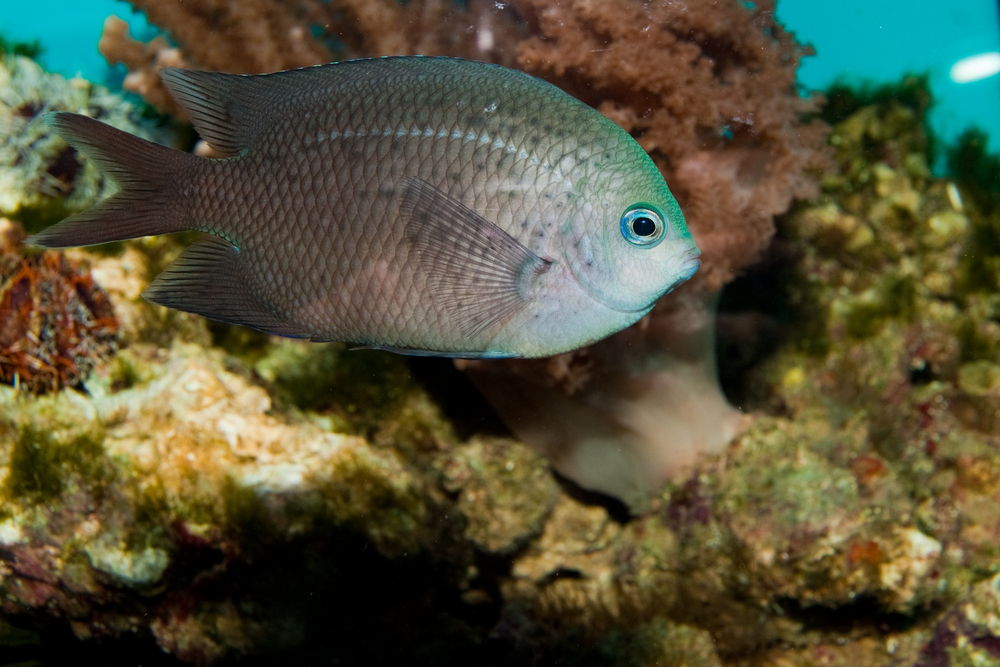
A University of Hong Kong study found that fish that evolve faster are more likely to survive oceans that become more acidic as a result of global warming.
As humans'carbon footprint spirals ever up each year, the greater the need for the seas to function as carbon sinks, causing acidification of the ocean.
Laboratory experiments, HKU researchers said, have shown such a change will affect physiological performance, growth, survival and crucial behaviors of some fish species..
To test how marine life responds and whether it can adapt to rapid acidification, researchers led by assistant biological sciences professor Celia Schunter went to Papua New Guinea, where volcanic activity released carbon dioxide into the ocean, creating a unique lab. Marine conditions there are seen as likely to be similar to oceans elsewhere by the end of the century.
The study showed high CO2 levels could induce genetic changes related to fish's circadian clock and immune function and species with the ability to evolve in these two areas could cope with the acidified ocean.
"It has been quite puzzling why some species struggle more than others with acidification," Schunter said. "We see that possibly limited by slow evolution, some species may not be flexible when responding to elevated CO2 conditions and struggle more."
Species that evolve more rapidly may have a flexible way to cope with ocean acidification, which should be helpful for these species to maintain their population size and biodiversity, she said.
"However, for some other species that evolve more slowly, ocean acidification will be difficult for them once the pH level goes beyond their abilities to maintain their acid-base balance," Schunter said.
"Previously we did not understand why some species struggled and others didn't as much and understanding why some may be 'winners' or 'losers' is important so we can protect especially the ones that will not be able to cope and to keep the balance in the ecosystem," she added.
With rapidly changing environments due to human activities, it is crucial to be able to predict what will happen to marine lives to optimize the conservation and management efforts, the university said.