Read More




Night Recap - September 24, 2026
2 hours ago




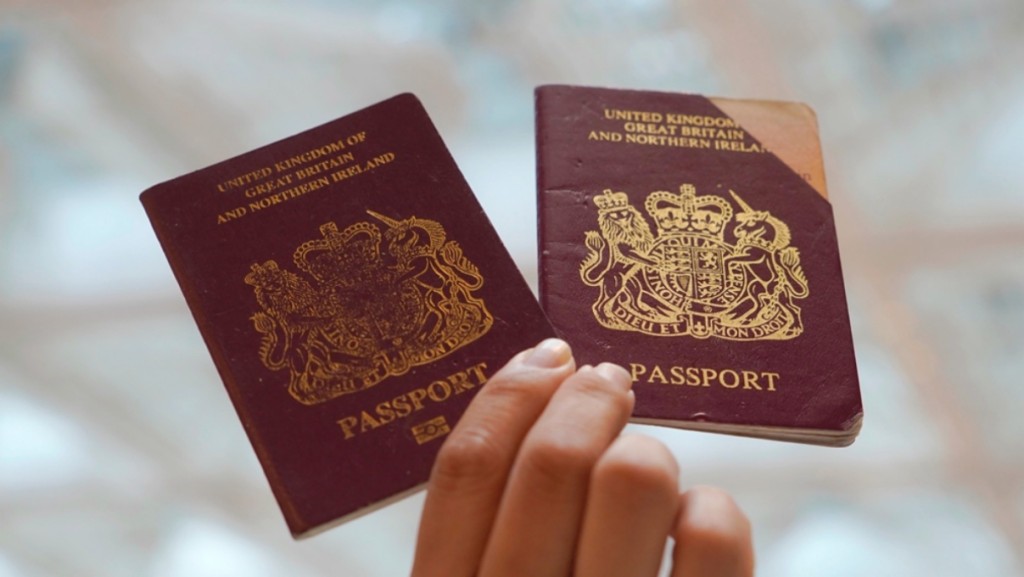
UK denies BN(O) visas to Hongkongers with protest convictions: report
23-09-2026 18:59 HKT
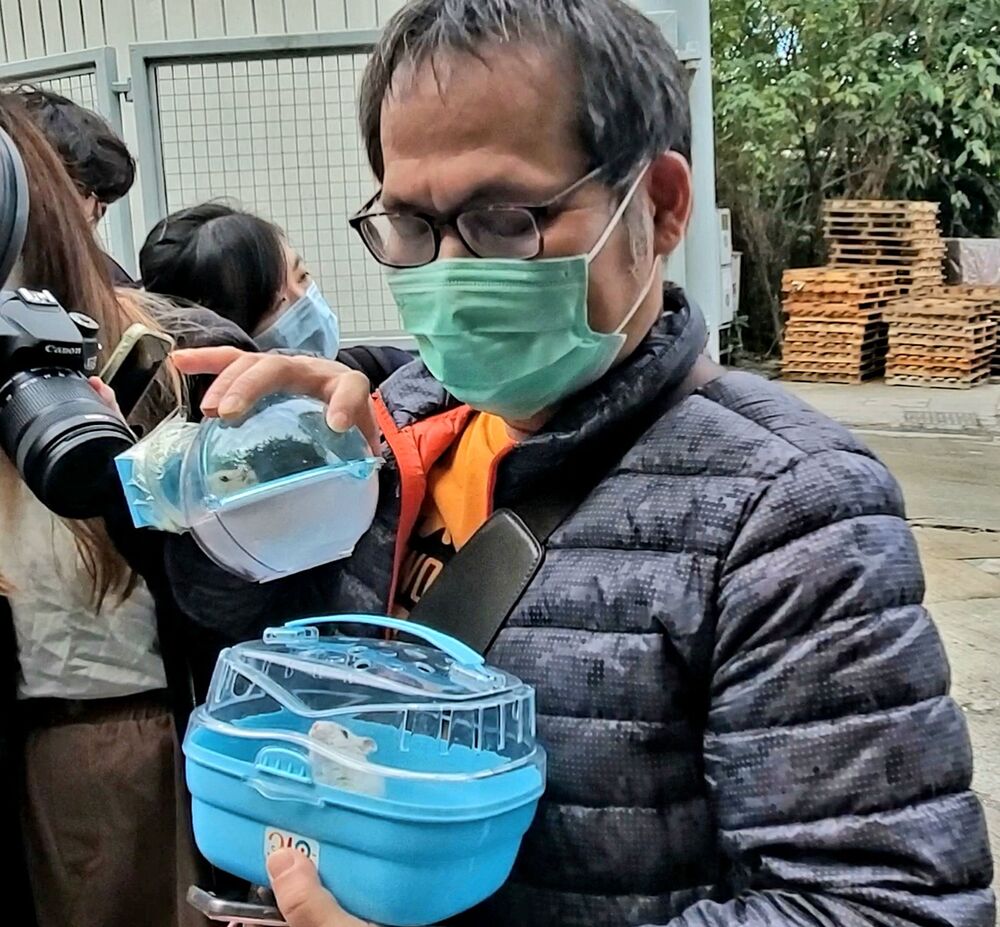
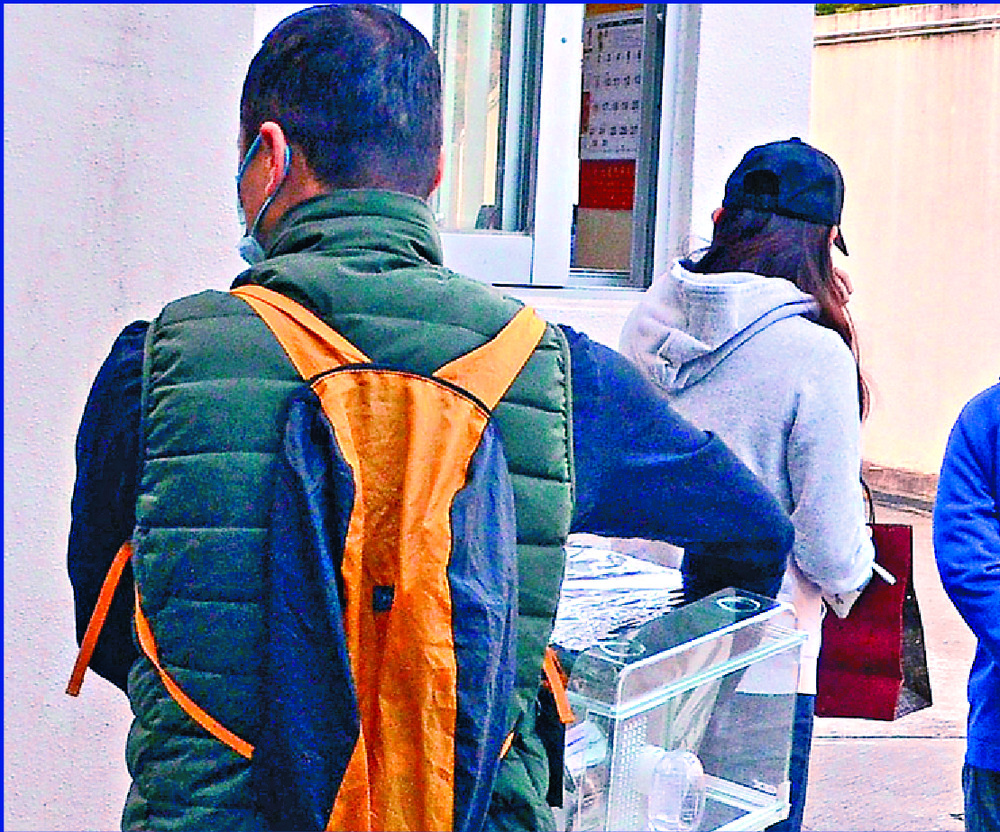
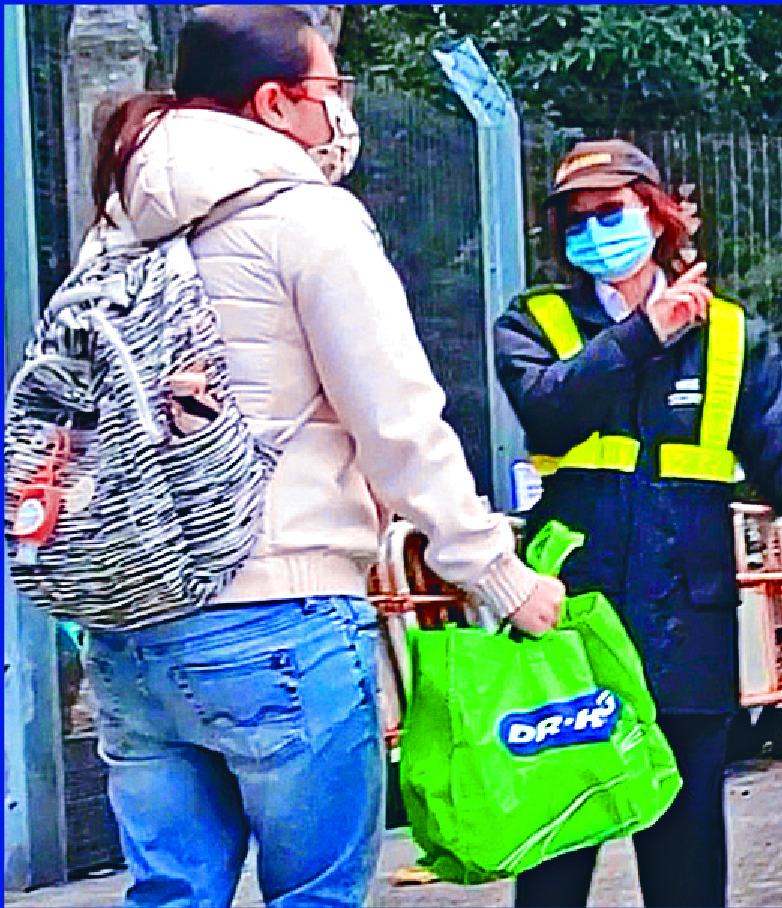
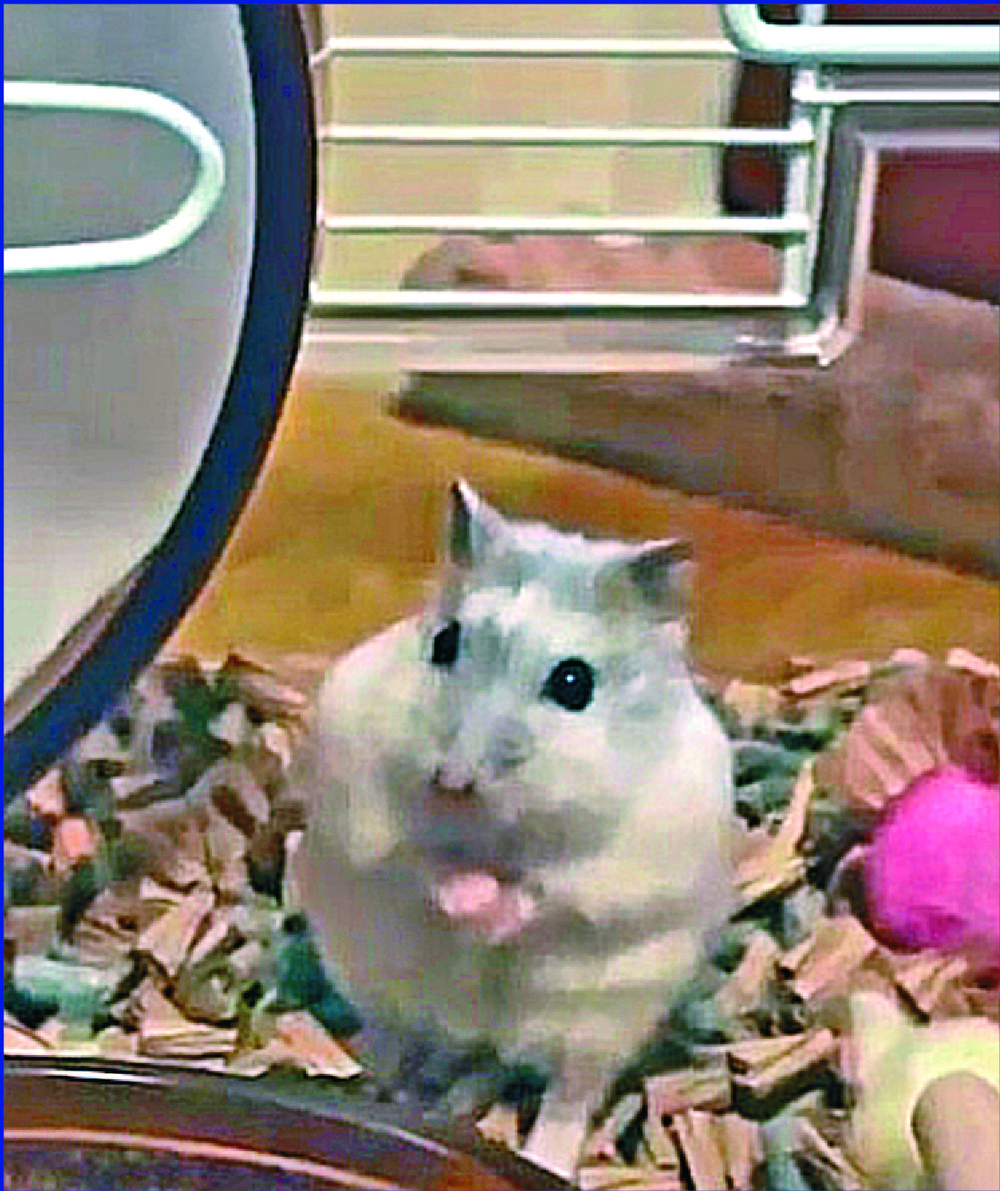
People were yesterday turning in pet hamsters to be tested for Covid-19 and then put down - another sad chapter in the struggle against the coronavirus.
Still, some people gulped back on their emotions as they did so, saying it was better to lose a pet than risk the health of their children.
The parting scenes came after authorities announced on Tuesday a cull of some 2,000 pets - hamsters and other small pets including chinchillas, guinea pigs and rabbits - after some hamsters at the Little Boss pet shop in Causeway Bay and its warehouse tested positive for the Covid-19 Delta variant.
Three Covid patients - a Little Boss saleswoman, a customer and her husband - had been at the pet shop.
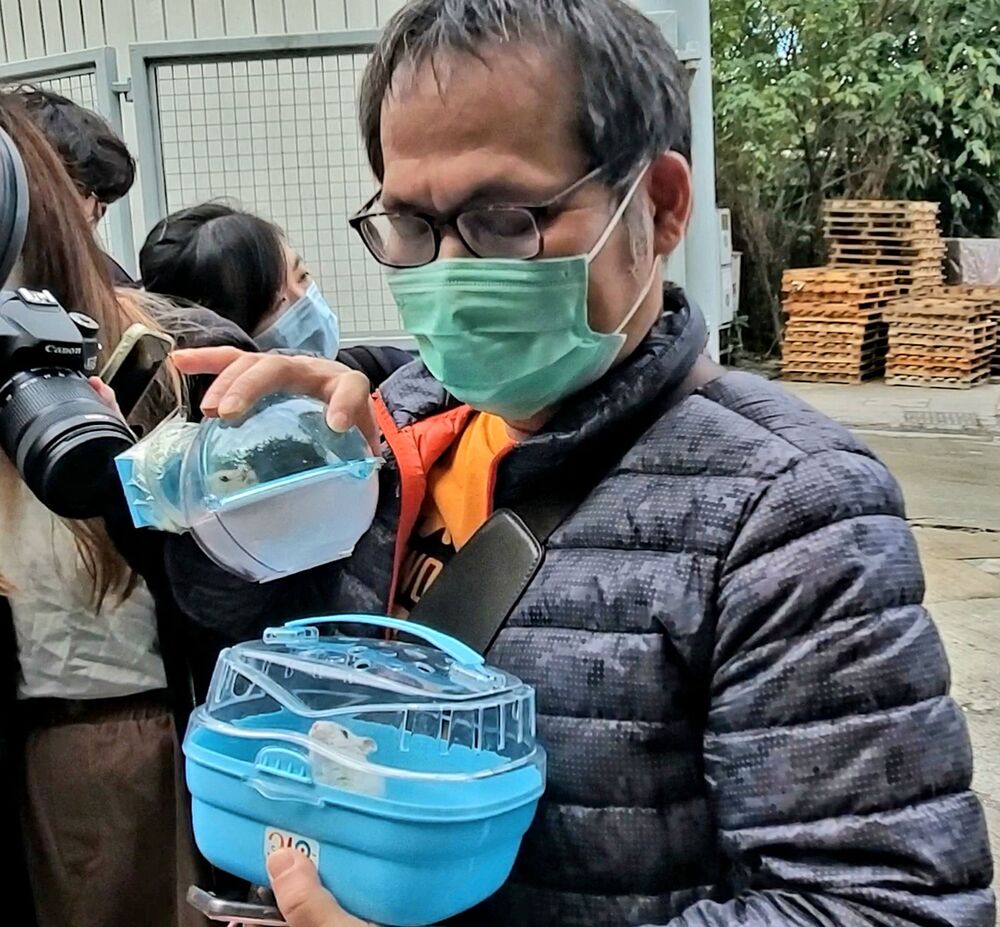
The handover of pets at the Animal Management Centre in Sha Tin followed government officials "strongly advising" people who bought hamsters after December 22 to turn over their new pets to be tested and then put down.
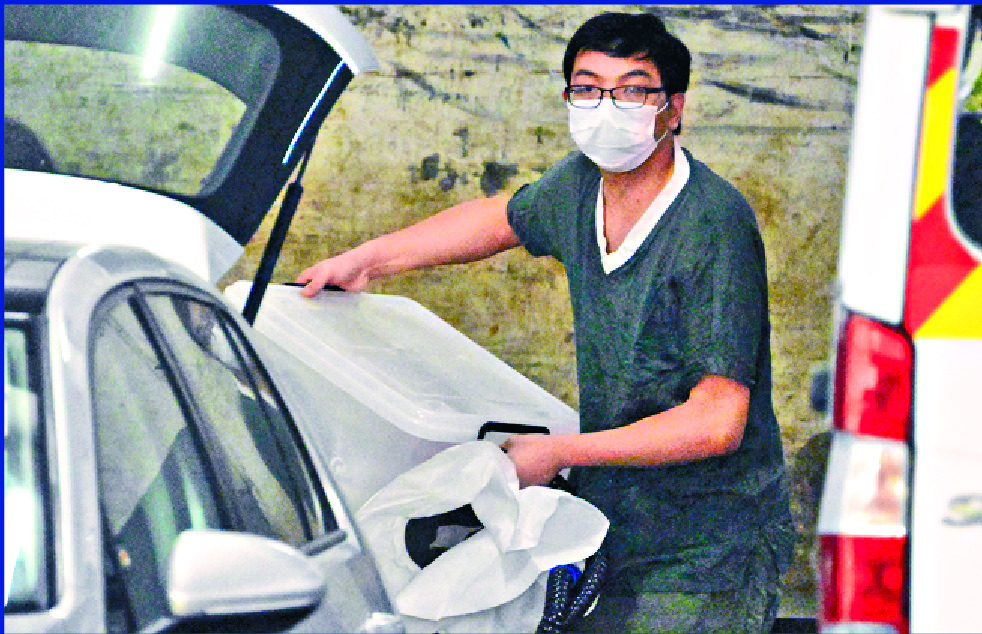
Officers of the Agriculture, Fisheries and Conservation Department had in fact started culling hamsters and small animals at the Causeway Bay Little Boss on Tuesday night, and yesterday they went to the Little Boss storehouse at Tai Ping Industrial Centre in Tai Po with large plastic bags and chemicals.
The department said all 1,000 animals there including hamsters, chinchillas and rabbits were being culled.
They also went to pet shops in Mong Kok yesterday to take small animals away to test and put down.
A man named Hau said he bought a hamster at an I Love Rabbit shop in Tai Po on January 8 as a 10th birthday gift for his son.
It was tough to hand the hamster in at the center in Sha Tin yesterday morning, he said.
"My son was crying his eyes out and even tried to snatch the hamster cage many times," he said, "but I had no choice."
He had explained the transmission risk to his son and to his wife, Hau added, and he promised to buy another hamster for the boy after the pandemic ends.
"But my son said: 'The hamster is also a life. Even if we buy another hamster it will not be the same one. Why do we have to treat the hamster like this?'"
Hau argued it would have been reasonable and humane if authorities returned the hamsters to owners when a test was negative.
A woman named Yip said she handed over a hamster bought for her daughter last Sunday after knowing it had been kept in the Covid-hit warehouse.
Yip said her daughter cried for a whole night as she knew the hamster would never come back, and the girl wrote a note saying "I love you" to the hamster yesterday morning.
Chan handed in two hamsters at Sha Tin, saying he had bought them in late December and early January at the Little Boss pet shop in Mong Kok. He said the family decided to act for the sake of his children's health. The kids understood the decision was made for health reasons, but they were sad to see the hamsters go.
After turning in his hamsters, Chan said the process was smooth. It included center staff asking him to sign a consent form that stated he would not be allowed to check on the hamsters later.
Meanwhile, Hong Kong Life on Palm - Hong Kong Hamster Concern Group said it has taken in 60 abandoned hamsters, including animals that were not at high risk, and fielded 130 inquiries about abandoning hamsters after the announcement of the cull. The organization advised owners to watch if a hamster developed any symptoms such as a runny nose or weight loss and to seek a veterinarian's opinion.
Animal lovers were also uniting in fostering or adopting hamsters dumped on the streets by virus-fearful people.
Speaking on radio, government adviser Yuen Kwok-yung said he knew the planned cull of hamsters would attract criticism, but he said it had needed to be done urgently to cut off any invisible Covid transmission chains among the hamsters that could affect people.
He said too that the culling of hamsters could have been avoided if the human vaccination rate in Hong Kong had been high.
"Fifty percent of people aged above 65 are not vaccinated," Yuen said. "If 20 percent of them are infected with the Delta variant it will mean 100,000 infected elderly. Even if the death rate is as low as 1 percent 1,000 elderly will die."
He added: "We are also sad to see the hamsters being culled, and their lives are precious too. But we have no choice as we cannot force everyone to get vaccinated."
Another government expert adviser, David Hui Shu-cheong, said the cull is needed. He said it is common in public health situations to cull all animals linked to an outbreak.
In the Legislative Council meeting yesterday, legislator Michael Tien Puk-sun questioned why the administration did not mandate that citizens turn in the hamsters that are at high risk.
In response, Secretary for Food and Health Sophia Chan Siu-chee said officials have legal means to force people to hand in their hamsters. But citizens are also responsible for the SAR's anti-pandemic efforts, and some had already sent pets to authorities.
wallis.wang@singtaonewscorp.com