Read More









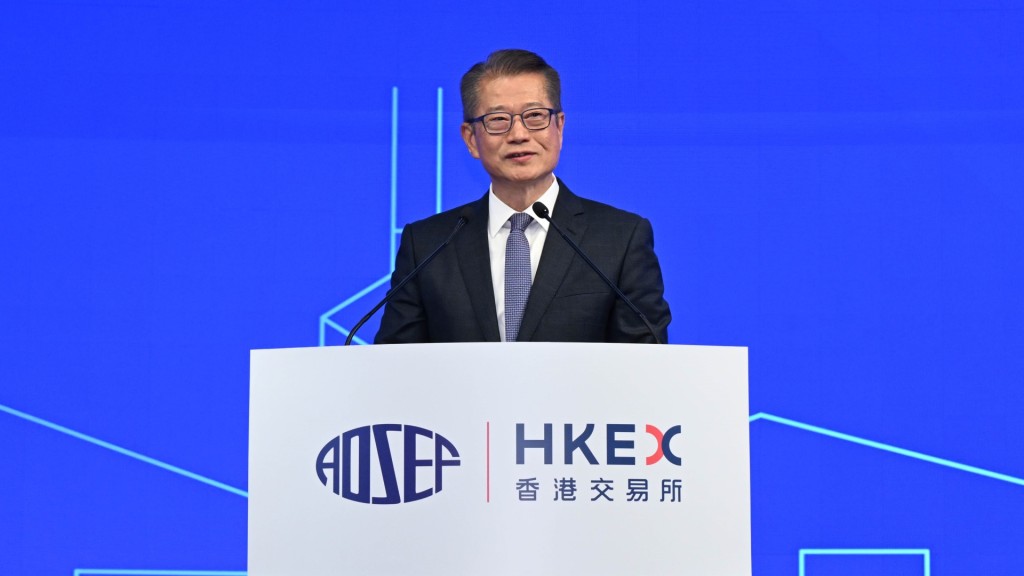

The SAR yesterday condemned and denied a US report on Hong Kong's "eroded" judicial independence and its freedoms.
"Any attempts to interfere in the internal affairs of China through Hong Kong will not succeed, and we will continue to discharge our responsibility of safeguarding national security," a spokesman said.
The statement came hours after a report from the United States-China Economic and Security Review Commission - Washington's leading advisory panel on China policies - criticized Beijing's overhaul of the electoral system.
The report accused Beijing of having "mainlandized" Hong Kong and turned the Legislative Council into a rubber stamp.
The SAR countered by saying the implementation of the security law last June put a stop to chaos and restored stability after trouble from 2019 until 2020.
The law ensures the resolute, full and faithful implementation of one country, two systems while protecting Hong Kong's high degree of autonomy, human rights and citizens' legitimate rights and freedoms, the spokesman said. It also reinforced Hong Kong's position as an international hub and was conducive to attracting more global investors to do business and invest.
Another allegation that concerned a circular on national security education directed at universities is false, he said.
"Post-secondary education institutions in Hong Kong are independent organizations," he said, and they promoted national security education to help safeguard national security.
The administration also took exception to "unreasonable questions" on prosecutions and judicial independence, saying that they are based on all admissible evidence, applicable laws and the prosecution code.
The Office of the Commissioner of China's Foreign Ministry in Hong Kong also criticized what it said was interference by Washington in Hong Kong affairs.
"The report was filled with lies and blatantly trampled upon international rules and relationship guidelines," it said, referring to "a barbaric intervention in Hong Kong's affairs, which is destined to be swept into the trashcan of history."
The office went to call for American institutions and politicians to respect the overall trend of international affairs and to stop intervening in China's internal affairs.
Such an approach, it declared, would create conditions for a better China-US relationship.