Read More


Night Recap - August 19, 2026
50 mins ago




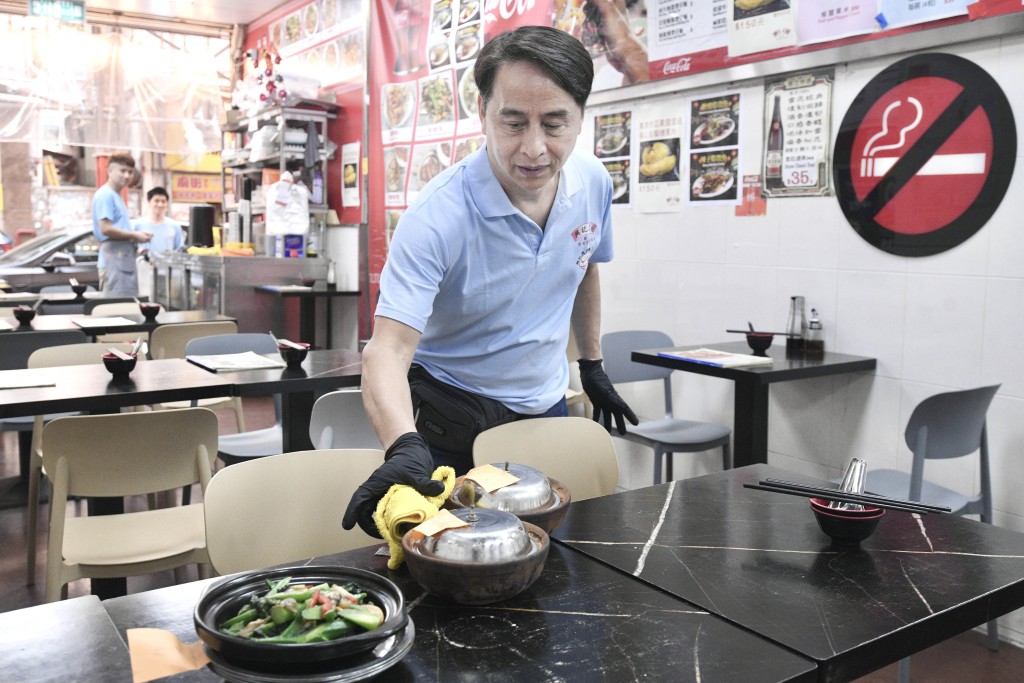
$30,000 monthly pay fails to attract local claypot rice cooks
17-08-2026 17:47 HKT

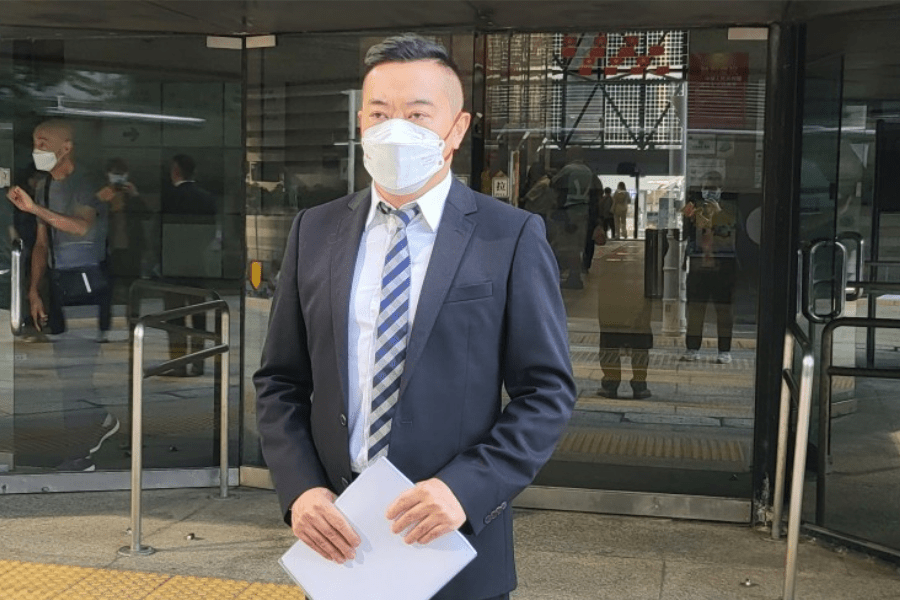
Senior police loses appeal over $26m mortgage loan fraud
17-08-2026 19:02 HKT
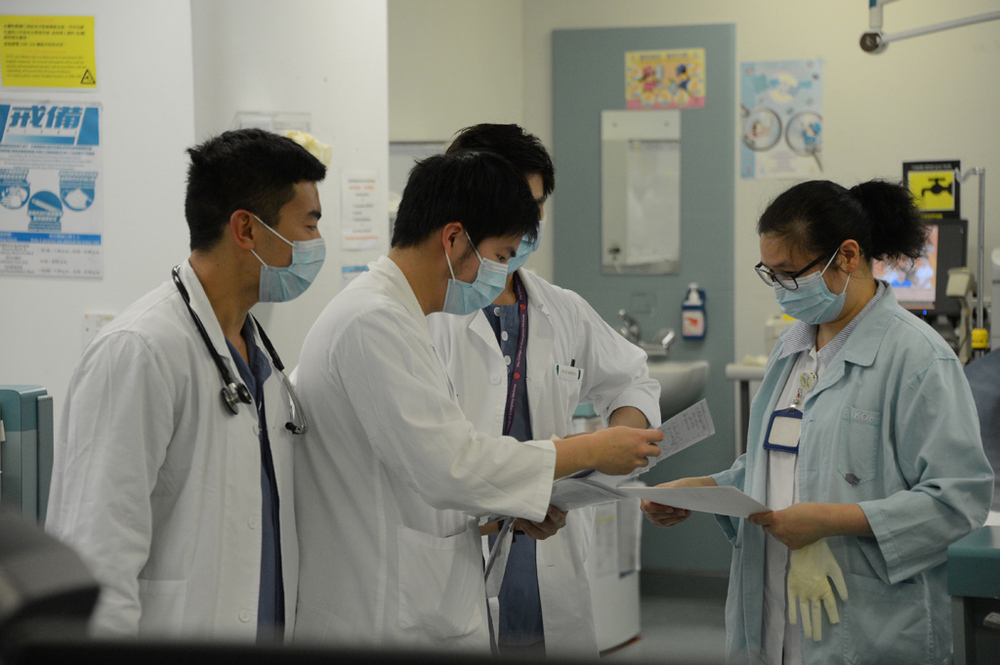
Legislators have passed by an overwhelming vote margin a bill to open the gates to foreign-trained medical specialists who are non-Hong Kong residents.
Although it was clear the bill would be passed in the absence of any opposition, medical sector legislator Pierre Chan Pui-yin still stirred a heated discussion on whether arrivals starting work without a licensing exam would help the overstretched public health-care system.
There were also concern the amendment would open the way for mainland doctors despite worries about their qualifications.
Secretary for Food and Health Sophia Chan Siu-chee did not say when the amendment bill will take effect, but follow-up work will be done as soon as possible, including creating a special registration committee to draw up a list of recognized medical qualifications.
The administration proposal to import foreign doctors if they pass licensing exams was endorsed by the Medical Council two years ago, but yesterday's amendment bill that did not include a licensing exam was passed by 39 votes to one dissenting vote from Chan.
The bill will also allow foreign-trained Hong Kong residents who graduated from a list of recognized medical schools to go into private practice without an exam after five years of public service.
Overseas medical graduates and students who are Hong Kong residents can apply for internships in the SAR and receive specialist training for at least six years.
And non-Hong Kong residents who possess a specialist qualification can also practice in Hong Kong through a special registration.
Before passing the bill, Chan and establishment legislators squared off in a debate.
Chan criticized authorities for breaking the sector's effective and just system of examinations.
Similar systems to import doctors had been adopted overseas, Chan said, but all included exams.
"The interests of patients and professional autonomy have been ignored," Chan declared.
Even though doctors often fail exams before passing on a second or even third assessment, he added, they did not blame the assessment system.
"Most doctors were against the idea not because they are afraid of their jobs being taken but out of concern about how Hong Kong's health-care standards can be maintained," Chan said of local professionals' views.
"Under the executive-led approach, the government launched this legislative exercise. When facing the problem of the health-care system they did not chase the root of the problem, and they are jeopardizing the effective examination system. Rome wasn't built in a day, but it can be destroyed quickly."
But Liberal Party legislator Tommy Cheung Yu-yan, who initially proposed importing foreign doctors in a private bill, said it could be too much to ask overseas doctors to go through an exam that covers a broad spectrum of medical topics including internal medicine, surgery, gynecology and pediatrics.
He said many local doctors in their fifties could fail an exam if they were not familiar with areas outside their own expertise.
Cheung also posed the question: "If you ask [Medical Association president] Gabriel Choi, Pierre Chan and [former medical sector legislator] Leung Ka-lau to take the exam and they can't pass it, does that mean they are not professional?"
And the licensing exam cannot improve standards, he went on. Rather, the exam is "a hurdle created by protectionism" to stop overseas doctors from coming to Hong Kong.
Because of this protectionism, Cheung claimed, grassroots citizens must wait for many weeks or months to see a specialist at public hospitals.
Chan countered that many doctors, including himself, pursue further studies.
Elizabeth Quat Pui-fan of the Democratic Alliance for the Betterment and Progress of Hong Kong said the shortage of doctors is a long-time problem, asked if there is "hegemony" among local doctors and whether their professional autonomy was more important than the public interest.
"I think many people have heard about this," she said, adding: "If you think you have a mental illness, unless you are going to kill yourself the next day you will have to wait for several years to meet a doctor for the first time."
Sophia Chan said about drawing up a list of recognized medical qualifications that the administration would hope to be able to announce committee members by the end of this month. Recognized qualifications could be announced in the second half of next year.
The Hospital Authority welcomed the passage of the bill and said it is "crucial to the sustainability of public health-care services".
The Hong Kong Academy of Medicine hopes the bill can attract more qualified non-locally trained doctors into public health institutions to relieve shortages.
And the Society for Community Organization along with patients' rights groups welcomed passage of the bill but doubted overseas doctors would be able to offset the current shortage of expertise.
sophie.hui@singtaonewscorp.com