Read More


HK movie producer Raymond Wong Pak-ming convicted of insider dealing
22-05-2026 17:10 HKT
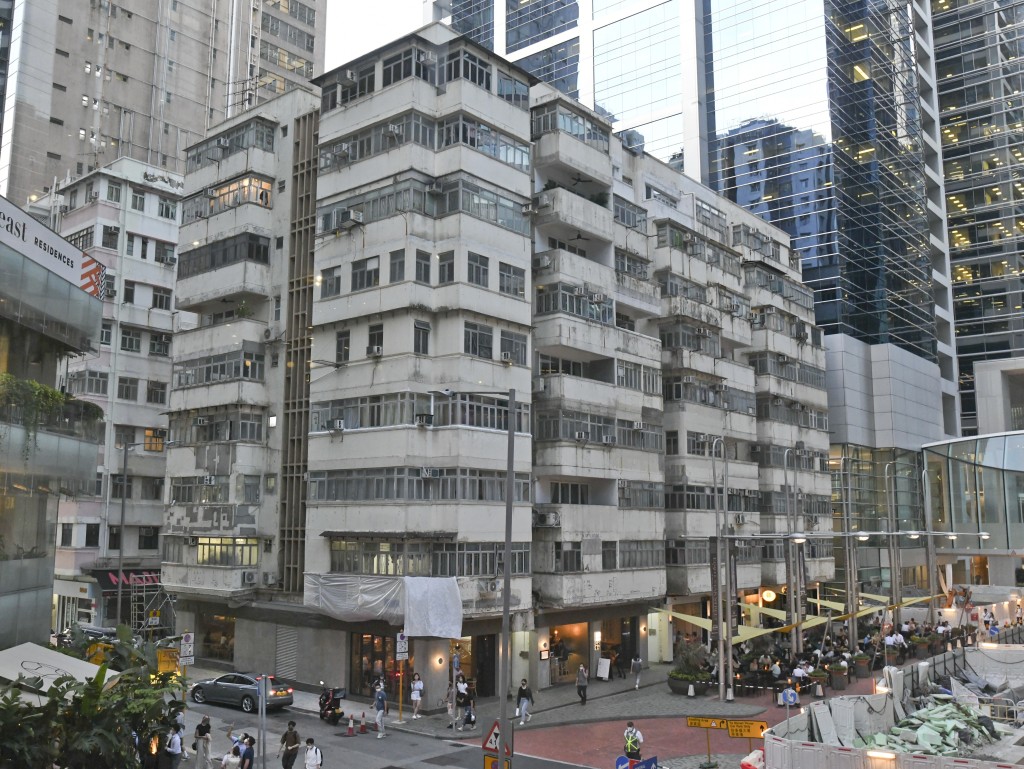
Swire Properties wins compulsory auction for $2.02b Quarry Bay property
22-05-2026 20:36 HKT


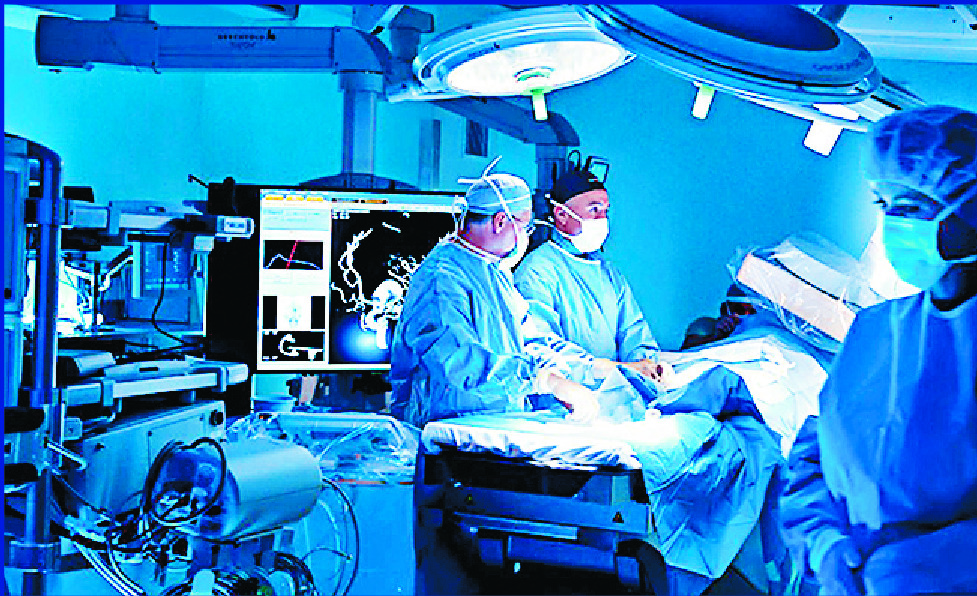
Private specialists should drop their opposition to hiring doctors from overseas so the public can enjoy better medical services, Executive Council member Tommy Cheung Yu-yan says.
Cheung, a Liberal Party legislator, also said private specialists should work part-time and without reward in public hospitals to ease a manpower shortage.
He was speaking ahead of the Medical Registration (Amendment) Bill set to be passed by the Legislative Council this week, which would allow non-permanent residents to apply for special registration in the SAR.
The bill will also allow permanent residents with overseas medical qualifications to take the licensing examination in the SAR and receive internship training in hospitals.
Speaking on radio yesterday, Cheung said the brain drain from the public system has led to long waiting times for specialist services.
At the same time, he said, private doctors who charge higher fees have enjoyed "overwhelming business," allowing them to keep opening new clinics.
Cheung also criticized private specialists for being protective.
"They've already earned so much," he said. "It's time for them to stop their [opposition] so grassroots and middle-class citizens can have good and prompt medical service.
"Private doctors should go back to public hospitals to help or even work there three days [a week] for free."
But Cheung is worried there may not be many overseas doctors coming if the amendment bill is passed as not many permanent residents work as doctors overseas. Also, people may need to wait 10 more years for the administration to allow foreign doctors who are non-permanent residents to work in Hong Kong.
"I'm afraid there will not be enough people," he added. "We always think that the water will flow in after we open the gate, but I'm afraid that even if the government opens the whole gate there could be not even one drop of water."
Cheung noted that before 1997 doctors from Commonwealth countries could practice in Hong Kong without taking an exam.
He said over 200 overseas doctors practiced in Hong Kong each year and with 300 local medical school graduates public hospitals had sufficient manpower and patients did not need to wait so long.
Currently, however, there only two doctors for every 1,000 residents compared to 2.9 doctors in the mainland and 2.4 doctors in Singapore. Cheung added that the mainland aimed to increase the doctor ratio to 3.2. And using that goal he estimated Hong Kong lacks 8,000 to 9,000 doctors.
He said Singapore also faced insufficient doctors eight years ago, but it eased the situation by building new medical schools and allowing overseas medical students to practice there.
And Cheung rejected as a "conspiracy theory" the idea the bill aimed to open the way for mainland doctors as the SAR medical schools would be gatekeepers.
Tim Pang Hung-cheong, a patients' rights advocate with the Society for Community Organization, cited the example of a Japanese cardiologist at Prince of Wales Hospital who was capable of surgeries that Hong Kong doctors could not do, but he shared his expertise and helped train local doctors.
Pang said if the amendment bill passed in the legislature it could take a year for the first batch of overseas doctors to arrive as a special registration committee must formulate arrangements.
sophie.hui@singtaonewscorp.com