Read More
From inclusive growth and Asian philanthropy to youth development, education and the power of sport, PBC 2026 brought global leaders together in Hong Kong to explore how resources, partnerships and ideas can be turned into meaningful and enduring social change.
ADVERTISEMENT
SCROLL TO CONTINUE WITH CONTENT
A decade of global dialogue
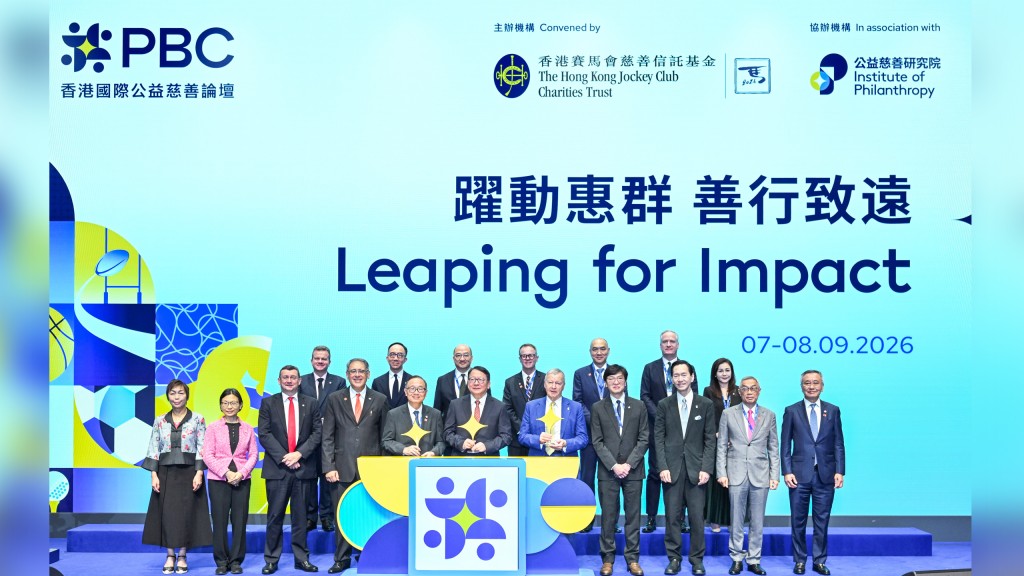
The fifth edition of PBC concluded at the West Kowloon Cultural District after two days of discussion under the theme “Leaping for Impact”. Convened by The Hong Kong Jockey Club Charities Trust in association with the Institute of Philanthropy (IoP), the forum brought together over 2,000 delegates and more than 80 speakers from philanthropy, sport, business, government, academia and the social sector.
Drawing inspiration from Olympic and Paralympic values, the forum examined what philanthropy can learn from the discipline, resilience and teamwork of sport — and how those qualities can help generate deeper and more sustainable impact.
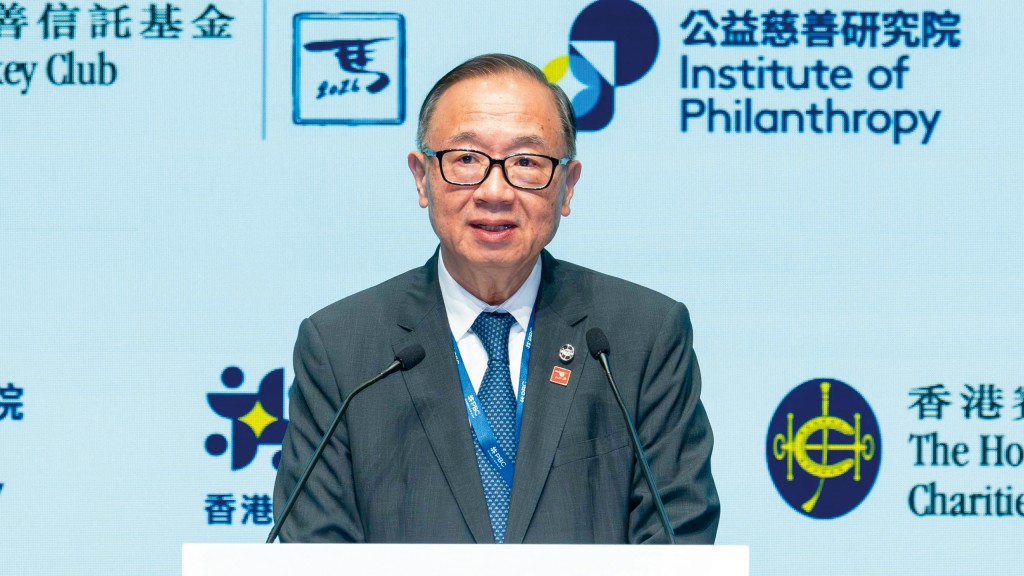
Club Chairman The Hon Martin Liao said that PBC 2026 examines the need for systems change, new approaches to capital and the capabilities required to deliver impact.
Club Chairman The Hon Martin Liao said: “PBC 2026 explores how cross-sector collaboration and multi-stakeholder partnerships can drive sustainable and lasting outcomes. These contributions reflect PBC’s continuing role as a platform for sharing ideas, advancing understanding and connecting leaders around the practical solutions needed to address the challenges of our time.”
Measuring impact beyond funding
A major milestone was the launch of the first Hong Kong Jockey Club Charities Trust Impact Report, introducing a three-tier framework to evaluate impact at project, programme and Trust levels. Its focus on underserved communities, long-term sustainability and extended follow-up reflected a recurring question throughout the forum: philanthropy should consider not only what it funds, but whether the benefits endure.
On the first day of the forum, joined by Club Steward The Hon Bernard Chan, former New Zealand Prime Minister and former United Nations Development Programme Administrator Helen Clark talked about that amid geopolitical instability, climate change, pandemics and technological disruption, philanthropy should play a more catalytic role rather than simply fill gaps left by diminishing public resources.
Meanwhile, the Commission on Asian Philanthropy, co-convened by IoP and the Asian Philanthropy Congress, launched its Interim Report. The report estimates that domestic philanthropic giving across participating Asian jurisdictions was US$109 billion in 2024, equivalent to more than US$1 trillion over the coming decade. Separately, The Bridgespan Group’s research ranked The Hong Kong Jockey Club and its Charities Trust as the leading corporate donor in Asia and eighth largest globally, with average annual approved donations of US$774 million from 2020 to 2024.
Asia’s philanthropy enters a more strategic phase
The discussion on Asia’s growing philanthropic role was echoed by Lester Huang, Club Deputy Chairman and IoP Chairman. Huang said as social challenges become complex and interconnected, philanthropy must become increasingly strategic, impact-led and responsive to local contexts, with greater emphasis on prevention, institutional capacity and systemic solutions rather than immediate needs alone.
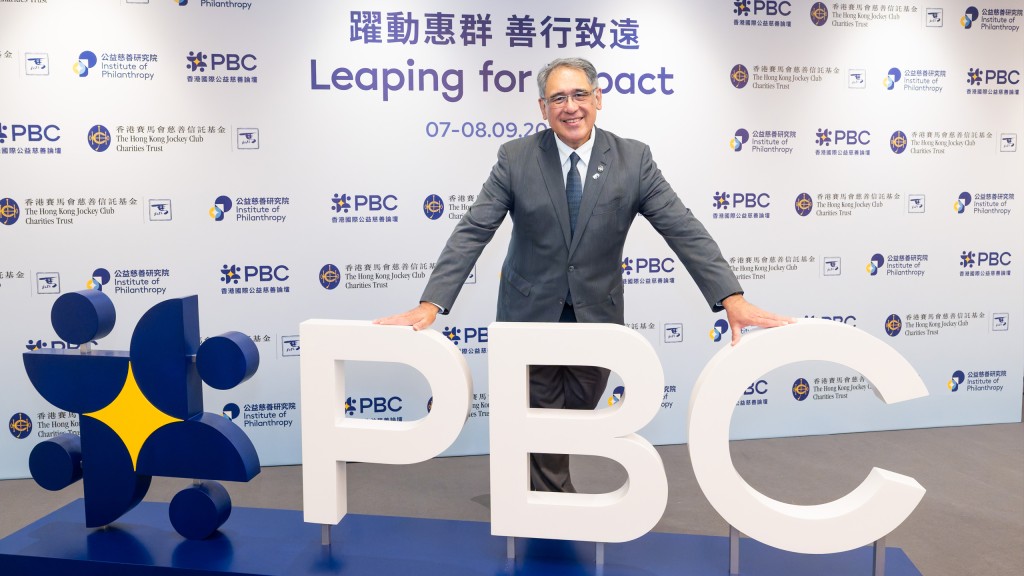
Lester Huang, Club Deputy Chairman and IoP Chairman, sees Asia becoming an increasingly important force in global philanthropy.
Central to that shift, he said, is cross-sector collaboration. “Philanthropy can serve as a catalyst by bringing together government, business, academia, non-governmental organisations and communities to pool their expertise, resources and perspectives around shared objectives.” Huang sees Asia becoming an increasingly important force in global philanthropy, not only through growing capital but also through ideas, knowledge and leadership.
He pointed to IoP’s “think-fund-do” model as a way of building that ecosystem through generating research to advance more effective giving in Asia; funding projects in support of national priorities and emergency preparedness; and creating platforms and programmes that strengthen skills, networks, and partnerships. Platforms such as PBC, Huang said, can help turn knowledge exchange into partnerships and practical solutions.
Turning ideas into practical action
The forum itself offered several examples of that approach. Hari Menon, President of Global Growth & Opportunity at the Gates Foundation, examined how philanthropy can help more people participate in and benefit from economic growth, while other sessions explored health, the well-being of older adults, urban poverty alleviation, heritage conservation, youth positive trajectory development, climate resilience and inclusive employment.
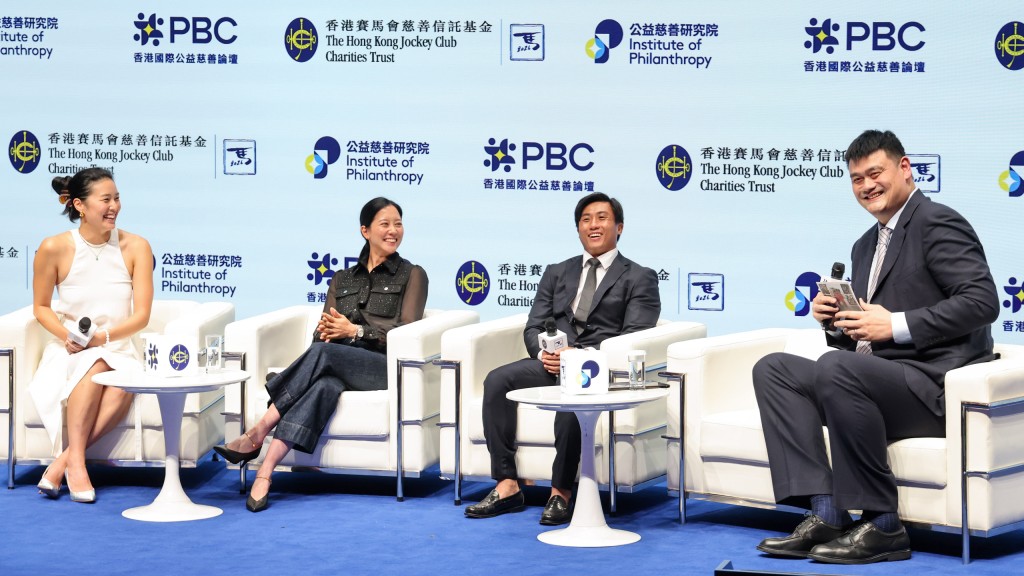
Yao Ming (right), Founder and Chairman of Yao Foundation, moderated the Closing Plenary, “Passing the Torch: From Athletes to Future Changemakers”, with Olympic swimmer Yvette Kong (left), Hong Kong, China Equestrian Team rider Jacqueline Lai (second left) and Hong Kong, China Rugby Sevens player Cado Lee (second right).
Sport as a pathway to leadership and growth
In keeping with the forum’s theme, sport was a defining thread. Discussions brought together policymakers and elite athletes, while the closing plenary moderated by Yao Ming, Founder and Chairman of the Yao Foundation, explored how sport can nurture resilience, responsibility and personal growth among young people — and why passing the torch also requires older generations to listen and learn from them.
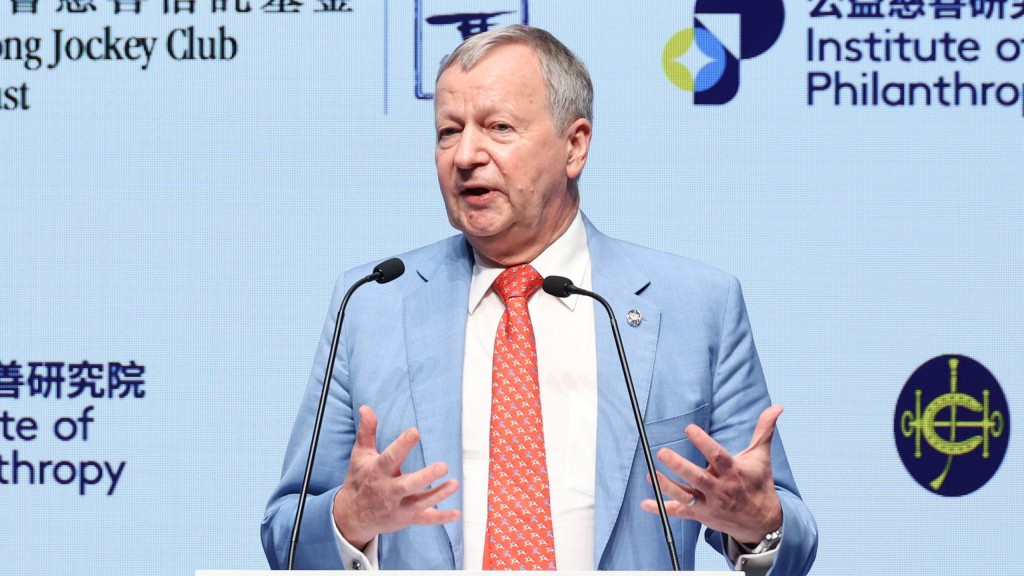
Winfried Engelbrecht-Bresges, Club Chief Executive Officer and IoP Director, delivered the closing remarks at PBC 2026.
Summing up the forum, Winfried Engelbrecht-Bresges, Club Chief Executive Officer and IoP Director, said: “Meaningful impact does not happen by accident. It requires vision, discipline and commitment. But above all, it requires collaboration.” He added: “No organisation, foundation, government or business can address today’s challenges alone. Partnerships are key, but equally important is finding the right partners: those who bring complementary strengths, share our purpose are committed to achieving meaningful outcomes together.”
To mark the forum’s conclusion, the PBC 2026 Gala Dinner was held at the Hong Kong Palace Museum. It brought together delegates from the Chinese Mainland and across the world including foundation leaders, government officials, tertiary institution representatives and community leaders.
As PBC celebrates a decade of global dialogue, the message is clear: funding remains essential, but lasting social impact depends just as much on trust, capability, innovation and partnerships strong enough to turn ideas into action.
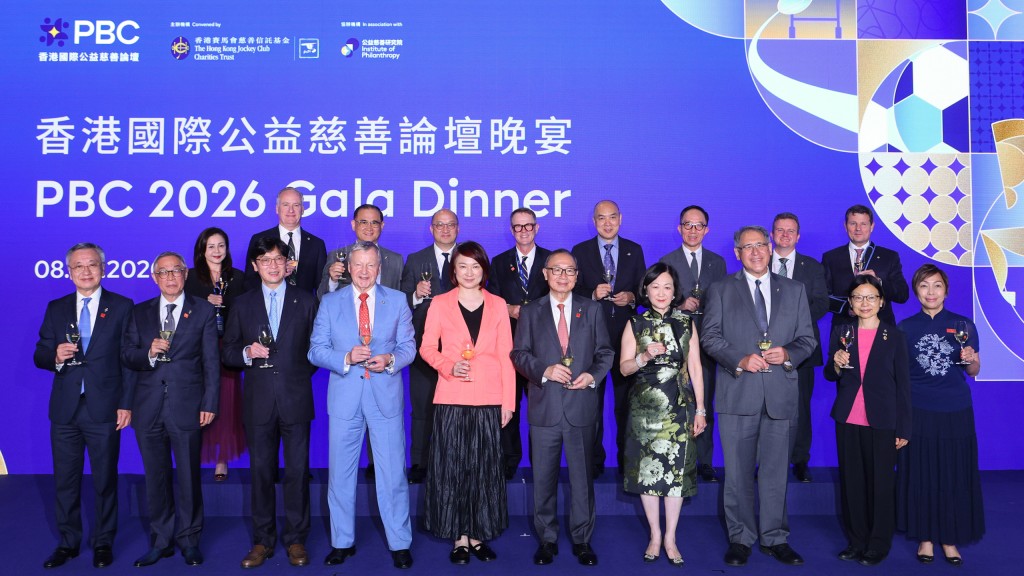
Dr the Hon Starry Lee, Member of the Standing Committee of the National People’s Congress and President of the Legislative Council of the HKSAR (front row, 5th left); The Hon Mrs Regina Ip, Convenor of the Non-official Members, Executive Council of the HKSAR (front row, 4th right); Club Chairman The Hon Martin Liao (front row, 5th right); Club Deputy Chairman and IoP Chairman Lester Huang (front row, 3rd right); Club Stewards; Club CEO and IoP Director Winfried Engelbrecht-Bresges (front row, 4th left); and other members of the Club’s Board of Management pose for a photo at the PBC 2026 Gala Dinner.