Hong Kong vows to scale up and refine its offshore yuan business and ecosystem, as it explores the use of the currency for settling government expenditure.
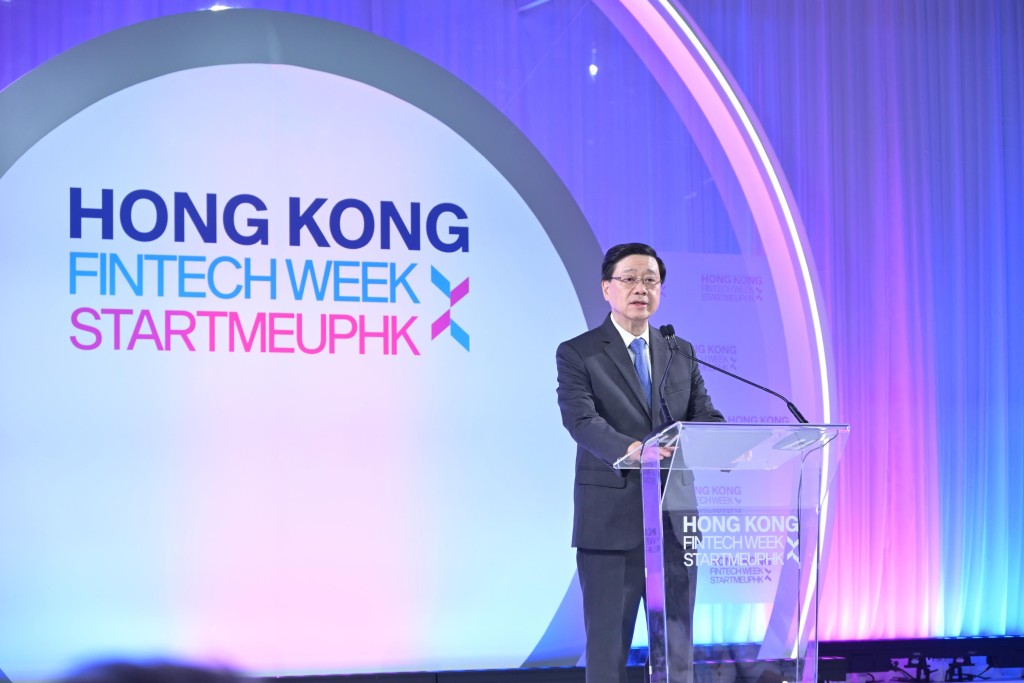
The city will strengthen yuan liquidity support and establish an offshore yuan liquidity provision mechanism, while accelerating the innovation and diversification of offshore yuan products, Chief Executive John Lee Ka-chiu said as he unveiled the SAR’s first Five-Year Plan on Wednesday.
It will further enhance the capacity of the offshore yuan market in supporting the real economy for the expansion and enabling of trade, investment, financing, and cross-border business dealings, as well as facilitate the exchange between the currency and other regional peers, Lee said.
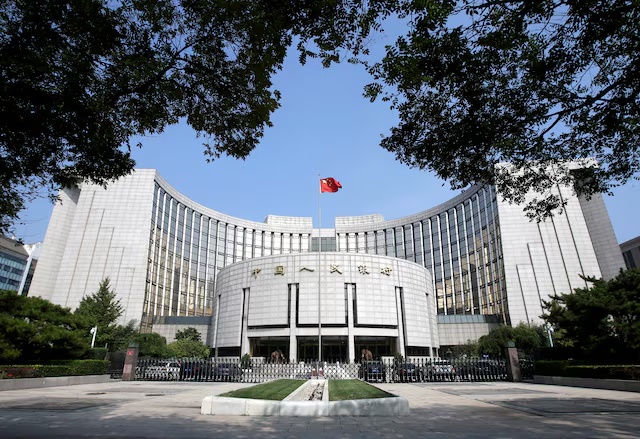
The SAR will continue to make good use of the currency swap agreement with China’s central bank, promote regular issuance of Dim Sum bonds, or offshore yuan bonds, in Hong Kong by high-grade issuers, such as sovereign, institutional, and corporate issuers.
Lee said Hong Kong will broaden the application scenarios of using yuan bonds as collateral, expand the range of liquidity management tools, risk management products, and the use of yuan into other areas for pricing, settlement, and investment purposes.
The territory will encourage mainland and international investors to use yuan as the investment currency while incentivizing more listed companies to set up yuan counters.
The government will take the lead in actively exploring and driving more settlement of government expenditures in yuan under suitable scenarios, Lee said.
Authorities have periodically issued Panda bonds, or onshore yuan bonds, in the past, which could serve as one of its sources of yuan funding, sources said, adding that it currently spends an average of around 20 million yuan per month on various recurrent expenditures, including mainland elderly care schemes and civil service training in the mainland.
Going forward, government departments will be encouraged to make greater use of the yuan based on suppliers' willingness and practical application scenarios, though this will not include paying civil servants' salaries in the currency, sources added.