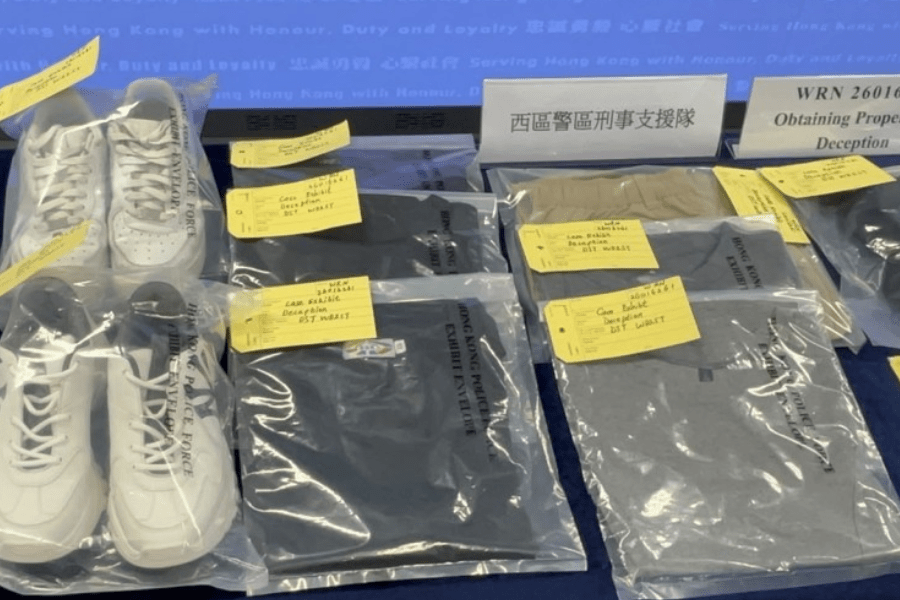
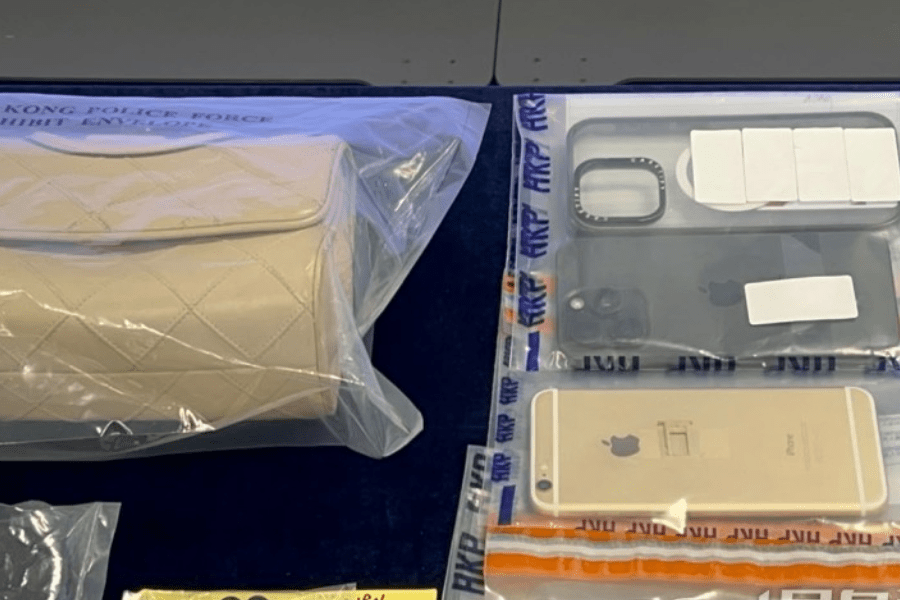
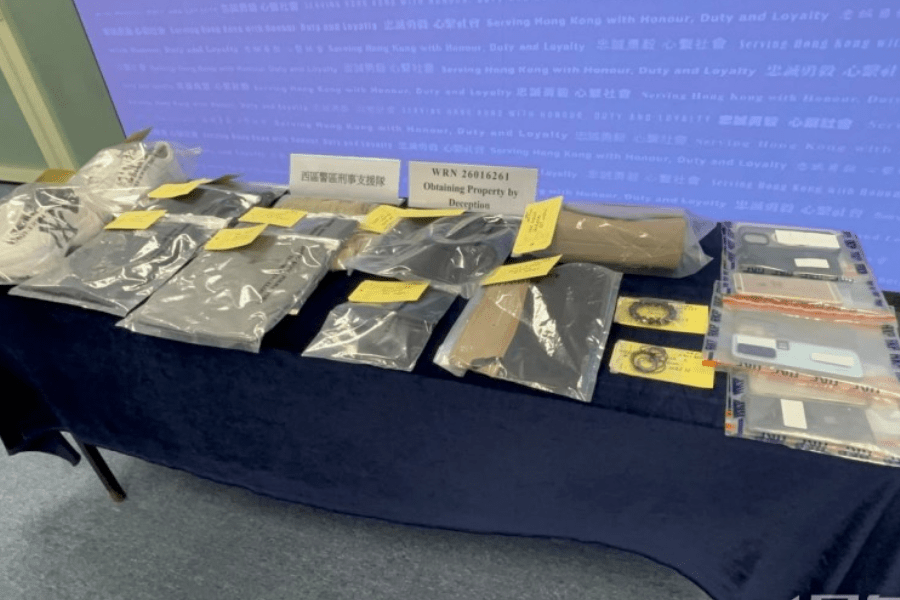
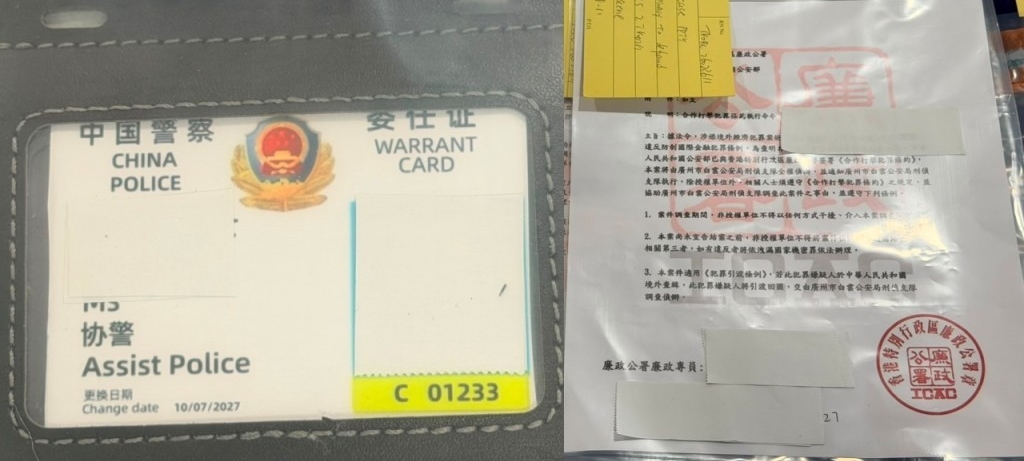
Four people were arrested on Tuesday over at least six suspected online Pokémon card scams involving losses of about HK$101,000.
The arrests followed multiple reports of fraud linked to Pokémon card transactions arranged through social media.
After an investigation, police identified several suspects and arrested four people, aged between 28 and 34, on suspicion of obtaining property by deception.
Police said the group advertised Pokémon cards on Facebook and asked buyers to make payments through the Faster Payment System, claiming the arrangement was intended to avoid counterfeit banknotes during face-to-face transactions.
After receiving the payment, the sellers would allegedly claim that the money had been transferred to the wrong account or had not been received, and ask the buyers to make another payment through FPS or in cash.
Victims received the Pokémon cards and were told that the duplicate payments would be refunded, but they were later unable to contact the sellers or recover their money, prompting them to report the cases to police.
It is understood that the four arrested individuals were involved in conducting the face-to-face transactions. One of them was reported to have a triad background.
Some of the suspects allegedly told investigators they had been recruited online and promised HK$3,000 in return for taking part in the transactions.
Police believe the Pokémon cards involved were genuine. The investigation is continuing and further arrests have not been ruled out.
Police urged the public to remain vigilant when conducting both online and in-person transactions, and to verify the recipient’s name and account details before transferring money through FPS.
Buyers were also advised not to make a second payment simply because a seller claimed the first transfer had not been received or had gone to the wrong account.
Before making payments, members of the public can use the police Scameter website or app to check social media accounts, phone numbers and FPS accounts for potential fraud risks.
Police also warned against online job advertisements offering high pay with no experience required, saying people who collect payments or handle goods of unknown origin could become involved in criminal activity.