Read More





Morning Recap - September 10, 2026
7 hours ago



Tung Chee-hwa's funeral: Will HK see a third state funeral?
09-09-2026 05:37 HKT


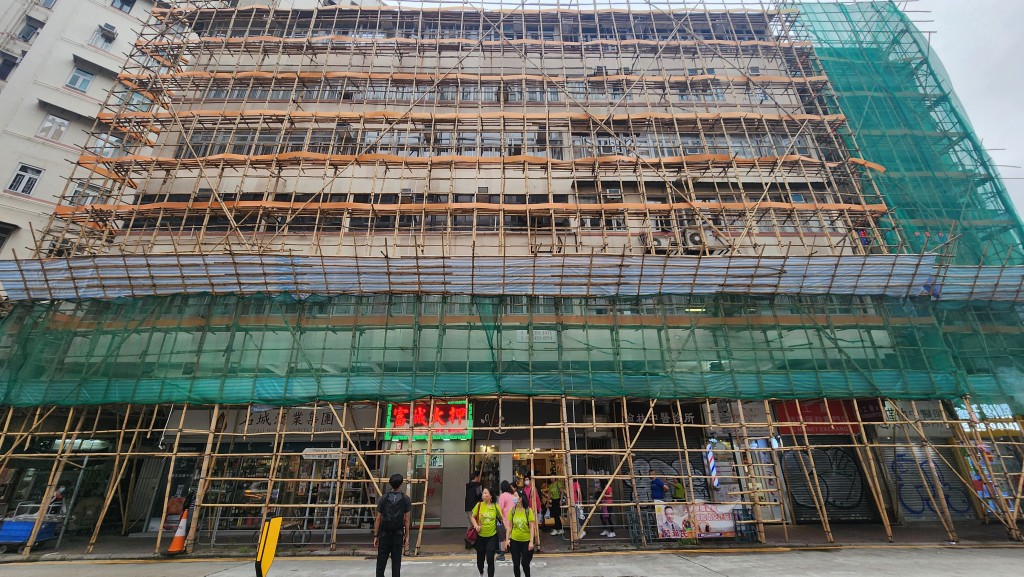
Lawmaker Chan Hok-fung has expressed overall support for the proposed amendments to the Building Management Ordinance, but warned that implementation details could place operational and financial pressure on owners’ corporations and property management companies.
His comments came as the one-month public consultation on the legislative proposals ends on Friday. Under the plan, the government would raise the attendance requirements and voting thresholds for major maintenance works, using a three-tier system linked to project costs.
For the highest tier, covering projects under which each household’s cost would be HK$120,000 or more, the rules would require a meeting quorum of 20 percent and an in-person voting threshold of at least 10 percent, or a minimum of 200 owners.
Speaking on a radio program on Thursday, Chan highlighted two key practical concerns with the proposals. It could be difficult to secure meeting venues large enough to accommodate the new attendance thresholds. Additional staffing would be needed to maintain order and verify proxies, which could increase management fees.
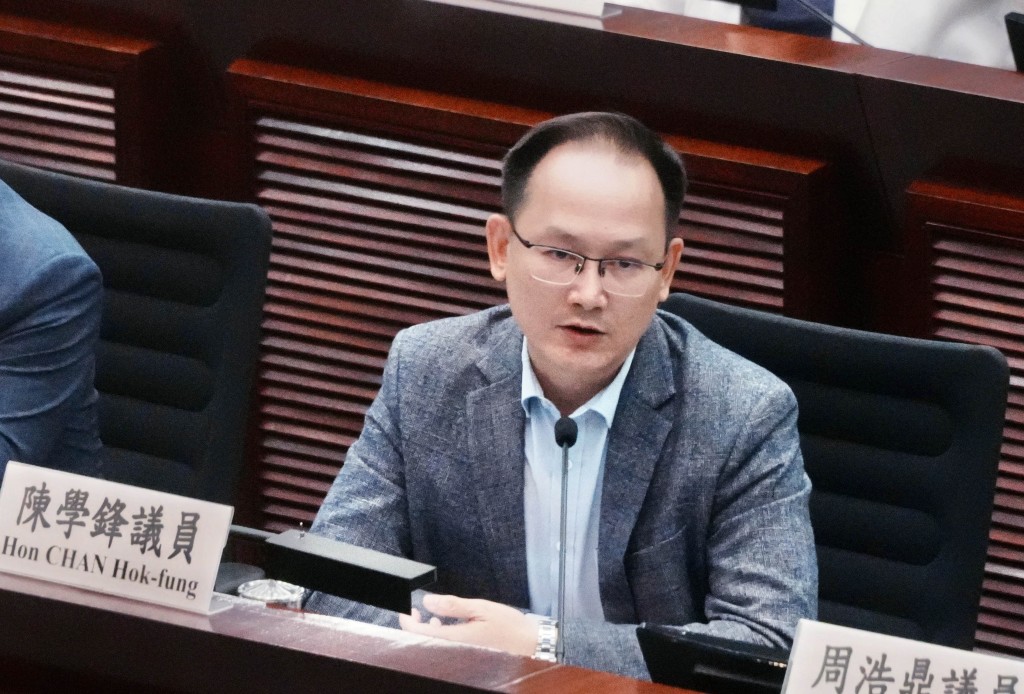
The lawmaker from the Democratic Alliance for the Betterment and Progress of Hong Kong (DAB) suggested adopting an electronic voting system and exploring the use of the government’s digital identity platform, “iAM Smart,” for identity verification and proxy registration.
Chan acknowledged that technical challenges remain, including difficulties elderly residents may face in using the e-platform, ensuring voting rights for overseas owners are preserved, and integrating the system with Land Registry records.
Addressing the proposal to restrict proxy holders to relatives or fellow owners within the same estate, Chan argued that property management companies do not have access to personal information, such as birth and marriage certificates, needed to verify family relationships.
He added that routine meetings not related to repairs, including those convened to hire management companies or cleaning contractors, could easily fail to meet quorum, potentially disrupting day-to-day operations if strict proxy limitations were imposed.
To prevent fraud without introducing overly rigid rules, Chan urged the government to relax relationship-verification requirements and instead conduct targeted spot-checks on 1 to 2 percent of proxy forms. The checks, he said, should focus on buildings undergoing major repairs or reporting unusually high numbers of proxies.
Chan also proposed introducing independent third-party services to oversee major maintenance projects, which would reduce direct financial links between owners and contractors and help lower the risk of bid-rigging.