
Read More

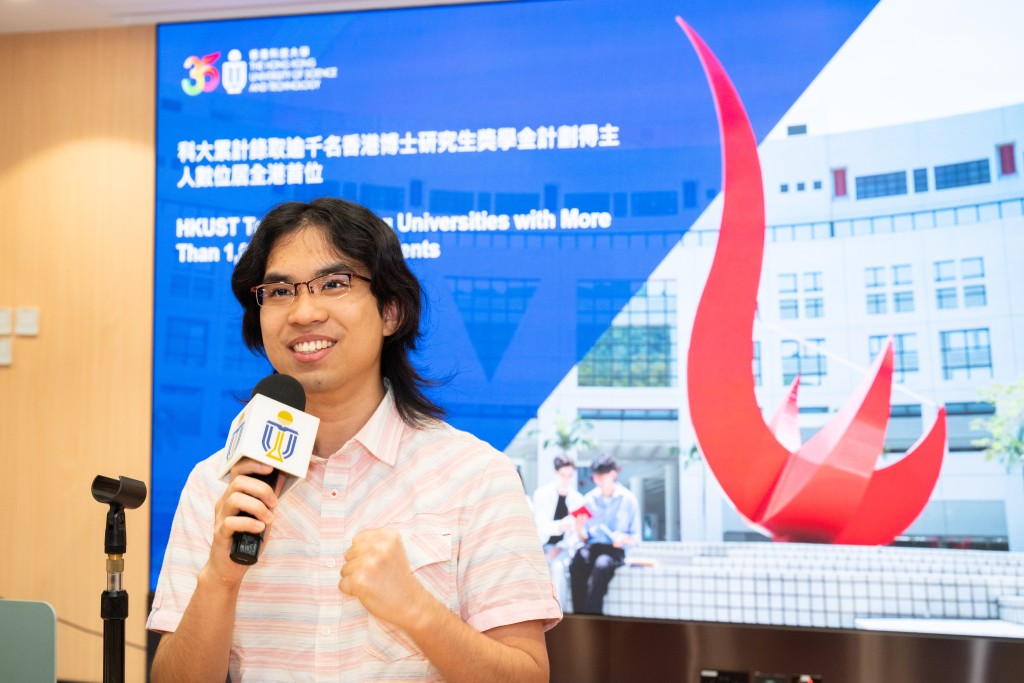
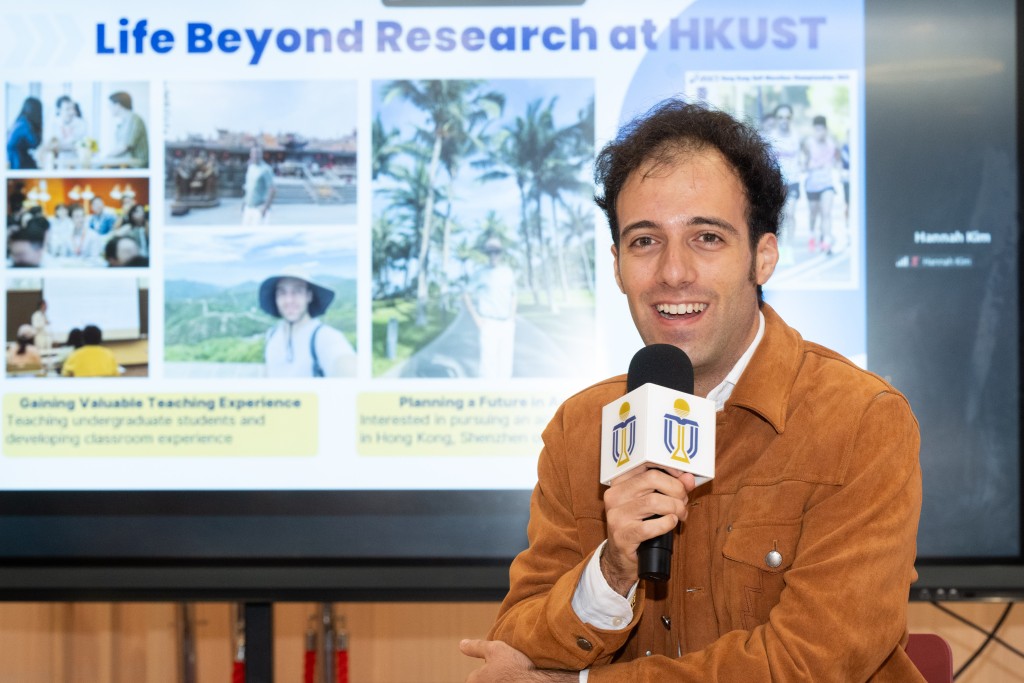

The Hong Kong University of Science and Technology (HKUST) has admitted more than 100 new doctoral scholars under the Hong Kong PhD Fellowship Scheme for the 2026/27 academic year, bringing its cumulative total of fellowship recipients to over 1,000 since the initiative was launched 17 years ago.
ADVERTISEMENT
SCROLL TO CONTINUE WITH CONTENT
Admitted from more than 50 countries and territories, these researchers represent over a quarter of all recipients under the government-funded program, reinforcing the institution's position as a premier destination for global research talent.
Major financial backing and sustained leadership
Over the next three years, the incoming cohort of doctoral students at HKUST will receive more than HK$112 million in combined fellowships and research allowances from the Hong Kong government.
Following the government's move to expand the scheme's annual quota to 400 in the 2025-26 Budget, the university has welcomed over 100 awardees for two consecutive academic years.
The institution has also maintained the highest intake of awardees among Hong Kong’s publicly funded universities for 14 out of the scheme's 17 years of operation.
Under the Research Grants Council framework, each recipient receives three years of financial backing encompassing an annual stipend and research allowance valued at approximately HK$358,800.
HKUST supplements this support with institutional benefits, including a four-year full tuition waiver, dedicated research development grants, and guaranteed accommodation during the first year of study.
Additional university schemes, such as the HKUST RedBird PhD Award and specialized postgraduate studentships, provide further funding to support long-term academic excellence.
Fostering transformative research across frontier disciplines
University leadership noted that HKUST's sustained commitment to impactful research has created an environment that enables scholars to transform novel concepts into practical solutions for society.
HKUST President Nancy Ip stated that attracting more than a thousand international doctoral students over the past 17 years reflects global recognition of the institution's research capabilities, adding that the university will continue driving interdisciplinary collaboration to tackle pressing worldwide challenges.
The incoming scholars will focus on critical frontier domains, including artificial intelligence, advanced computing, biomedical sciences, translational medicine, sustainable energy, materials science, and financial technology.
Alongside core laboratory investigations, doctoral candidates will participate in international academic exchanges, scholarly publications, and teaching assignments to develop comprehensive professional foundations.
Diverse academic community and strong career outcomes
Graduate school leadership highlighted that the fellowship cohort brings together international talent and home-grown graduates, including students who discovered an early passion for scientific inquiry through undergraduate research initiatives or faculty mentorship.
This blend of perspectives fosters an active, collaborative research culture alongside senior faculty members.
Upon completing their studies, graduates from the program have maintained strong career trajectories across academia and industry.
Many have joined prestigious international universities and research institutes, while others have successfully launched entrepreneurial ventures to commercialize their discoveries, with several university-linked startups securing substantial support from government bodies, venture investors, and industry partners.