






Read More



Night Recap - August 25, 2026
1 hour ago











Taxi stuck sideways in narrow Central alley
24-08-2026 15:55 HKT
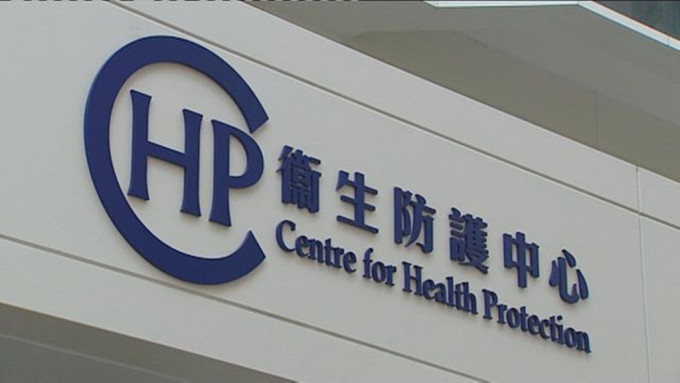
Hong Kong recorded 171 new cases of human immunodeficiency virus (HIV) infection and 28 new cases of acquired immunodeficiency syndrome (AIDS) in the first half of this year, as health authorities expressed concern over a persistently high proportion of late presenters.
According to the Centre for Health Protection (CHP), the new HIV cases involved 143 men and 28 women aged between 19 and 80. About 70 percent were aged 20 to 49, while nearly 30 percent were aged 50 or above.
Sexual contact accounted for 99 percent of the cases with a reported route of transmission, including 94 cases through homosexual or bisexual contact and 46 resulting from heterosexual contact.
Although annual new HIV cases in Hong Kong have declined for 10 consecutive years, the CHP noted that the proportion of late presenters among newly diagnosed individuals has remained high at around 50 percent. Notably, nearly 80 percent of these late presenters had never undergone HIV testing before.
Late presenters refer to individuals diagnosed with HIV only after their CD4 immune cell count has dropped to a critically low level or when the infection has already progressed to AIDS, indicating delayed detection and treatment.
This late diagnosis increases the risk of opportunistic infections, cancer, and death, while an active viral load heightens the risk of community transmission.
The figures also showed that the proportion of late presentations was higher among general-risk populations, at around 60 to 70 percent, compared to 40 to 50 percent among higher-risk groups such as sex workers and men who have sex with men.
Bonnie Wong Chun-kwan, Consultant (Special Preventive Programme) of the Department of Health, said some individuals mistakenly believe they are at low risk of infection, leading to delayed testing and treatment.
The Department of Health urged anyone who has engaged in sexual activity, regardless of age or sexual orientation, to get tested for HIV at least once to monitor their health status. The department added that high-risk individuals, such as those who inject drugs or do not use condoms properly, should undergo regular testing.
Emphasizing that HIV is a manageable chronic disease, Wong noted that early treatment with antiretroviral therapy can suppress the virus, prevent its progression to AIDS, and significantly improve survival rates. Furthermore, once the viral load is continuously suppressed to an undetectable level, the virus can no longer be transmitted sexually.