
Read More
Hong Kong is hosting several major football events this summer, but ticketing practices have sparked significant online backlash.
ADVERTISEMENT
SCROLL TO CONTINUE WITH CONTENT
Following last week's exhibition match between Manchester City and Inter Milan, fans grew angry after noticing that several internet personalities received free premium tickets.
The controversy deepened when one influencer mocked the complaining fans, accusing them of simply being jealous.
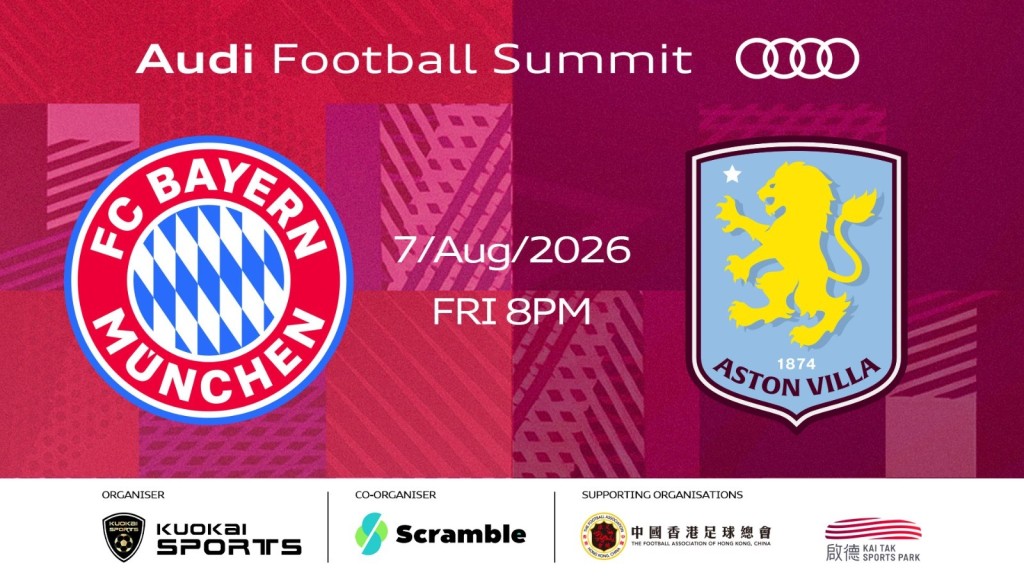
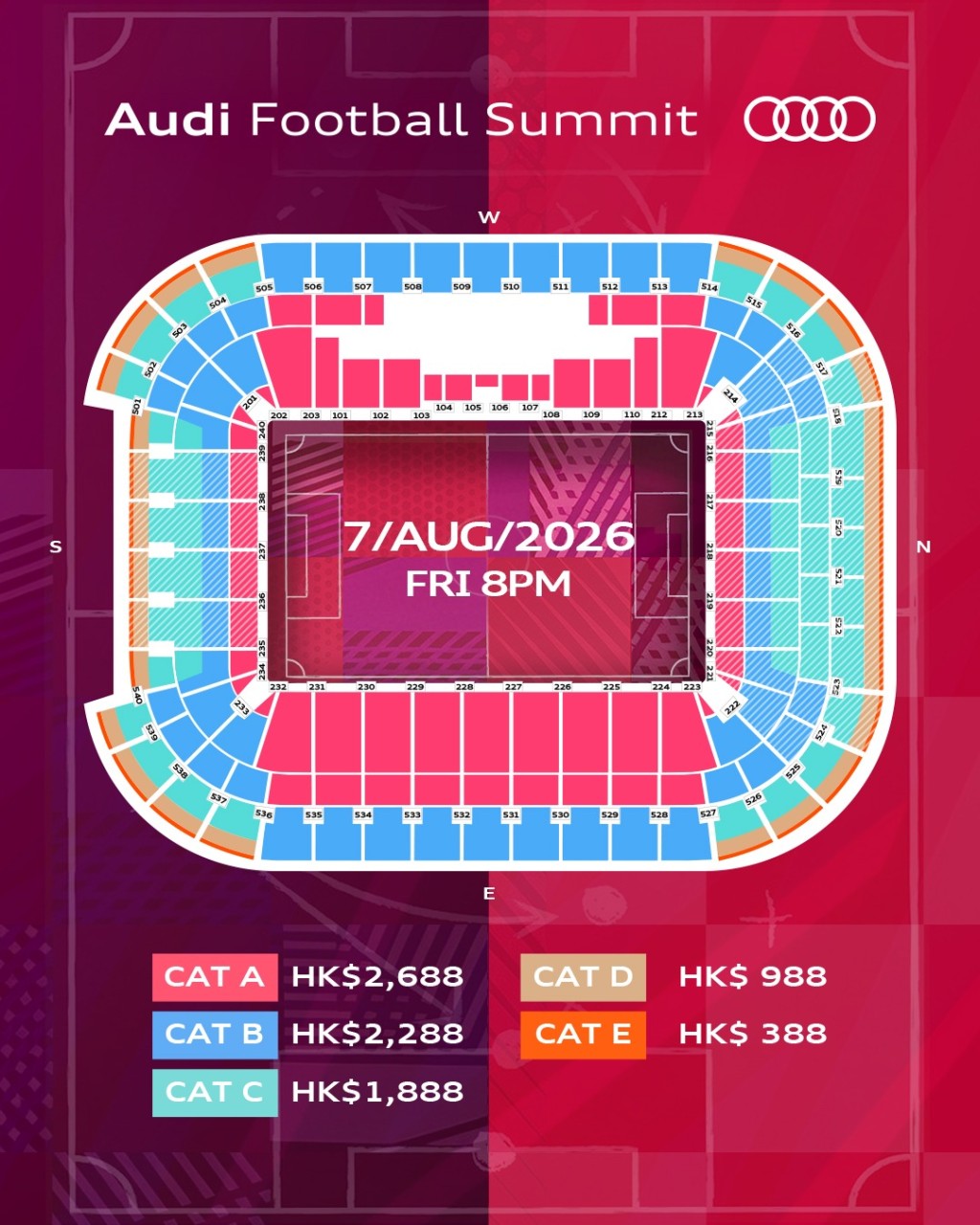
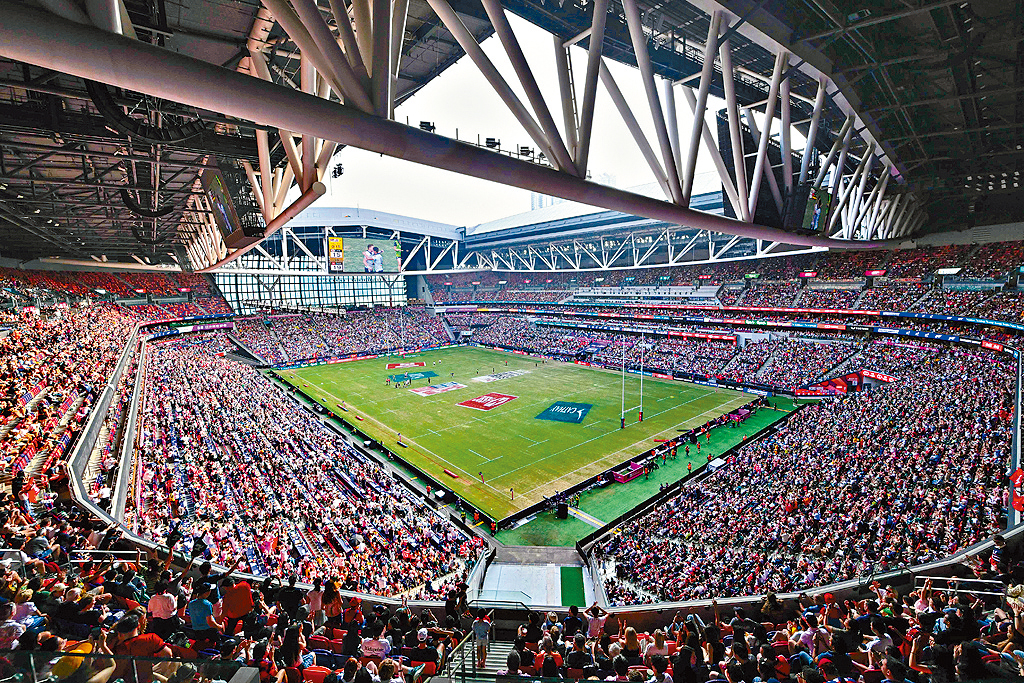
As the city gears up for another high-profile match between Bayern Munich and Aston Villa at Kai Tak Sports Park this Friday, August 7, dedicated supporters have voiced their frustrations to local media.
They argue that giving complimentary passes to influencers who know little about soccer is deeply unfair to loyal fans who spend their own money on club memberships and merchandise.
However, local lawmakers have defended the practice, describing it as a standard commercial strategy to promote Hong Kong rather than an unfair ticketing scheme.
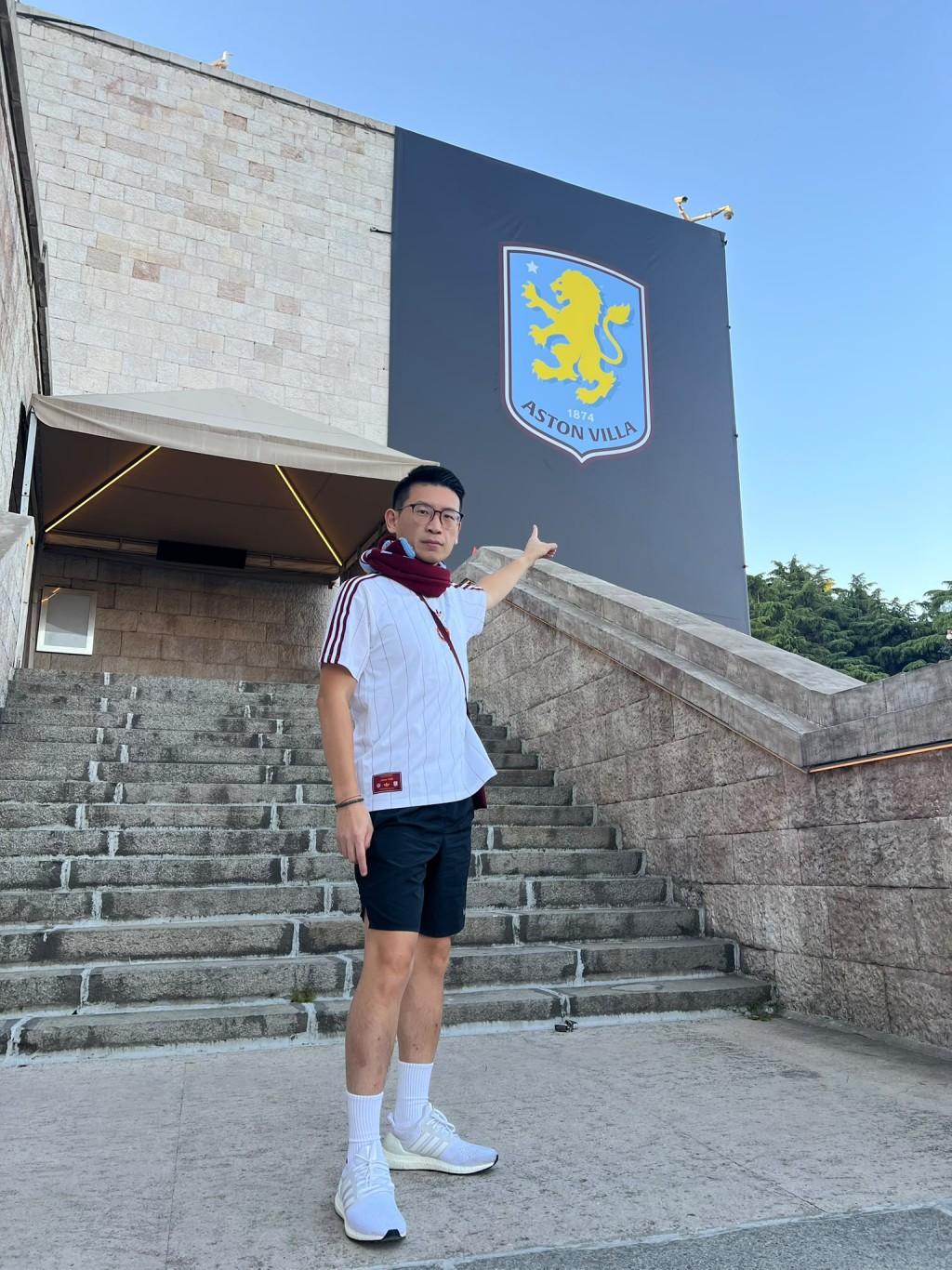
Kidd
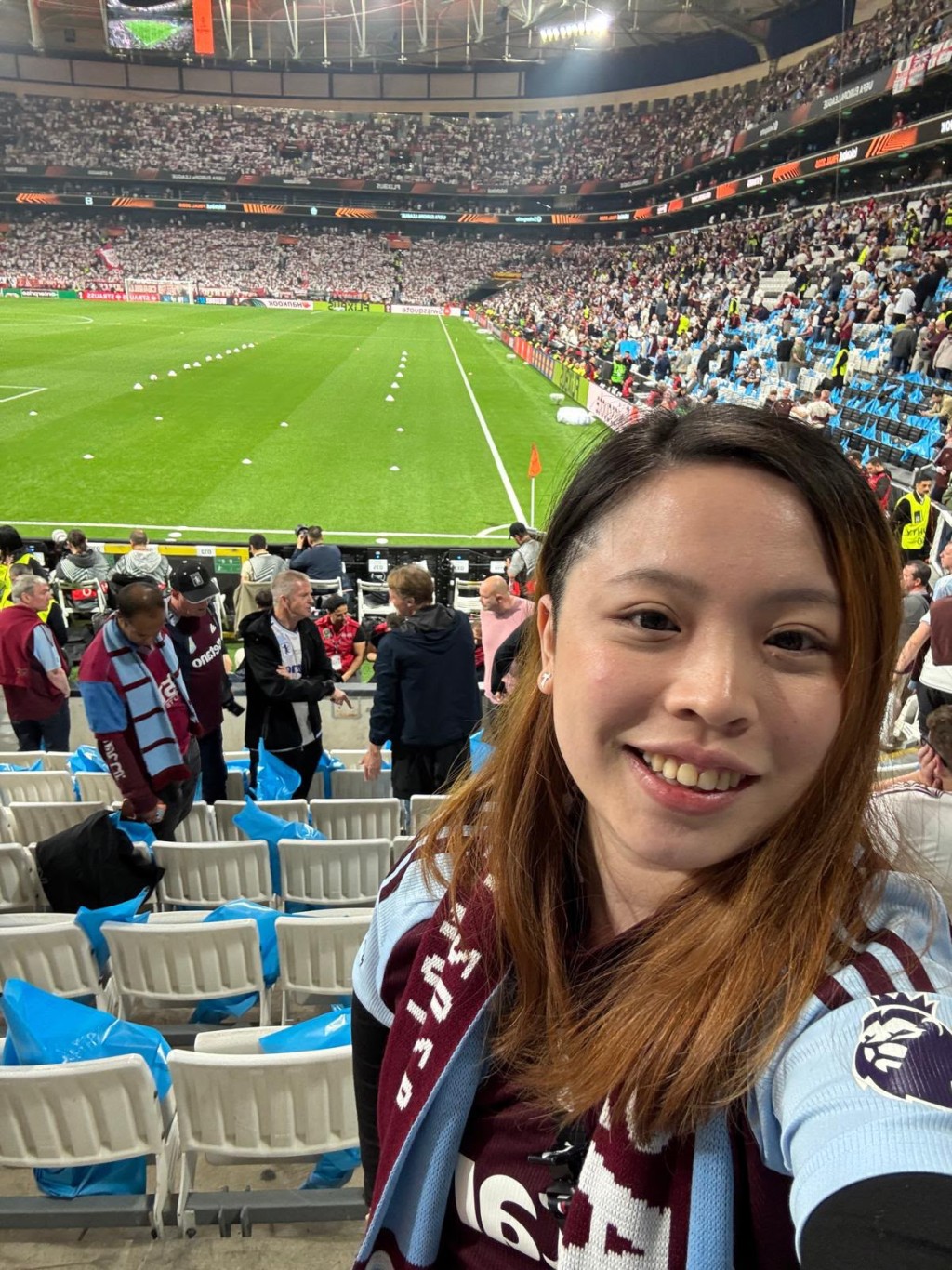
Ching
Fan club leaders demand relevant sports influencers
Kidd, the president of the official Aston Villa fan club in Hong Kong, pointed out that the event organizers suddenly slashed ticket prices to boost poor sales, a move he described as highly unfair to loyal supporters who had already paid full price to see the teams play.
He acknowledged that using influencers for promotion is a common modern trend, but he argued that organizers should specifically invite figures from the sports or soccer community.
He strongly questioned the appropriateness of distributing prime tickets to internet personalities who have absolutely no connection to the sport.

Ip
Loyal supporters express frustration while others see commercial value
Ching, a dedicated Aston Villa fan, echoed these sentiments. She noted that these influencers enjoy prime seating, close interactions with players, and autograph opportunities, despite likely being unable to name even a few players on the roster.
She emphasized that this practice is unjust to hardcore fans who invest heavily in the club.
Ching mentioned that she and other fan club members purchased tickets for HK$1,888 in April.
After emailing the club to express their concerns, Aston Villa officially responded that the local organizers have full control over ticket pricing and sales arrangements, leaving the club with no authority over the matter.
Conversely, a Shenzhen-based Bayern Munich fan surnamed Ip offered a different perspective.
Having purchased a HK$2,688 ticket, he admitted he has been trying to resell it at face value due to personal work commitments and disappointment over the lack of star players on the roster.
He suggested that since the tickets are already struggling to sell, it makes more sense to distribute them to internet personalities to maximize promotional reach rather than leaving the seats empty.
He added that such perks are simply a standard benefit of influencer status.
Lawmakers defend ticketing strategy as a promotional expense
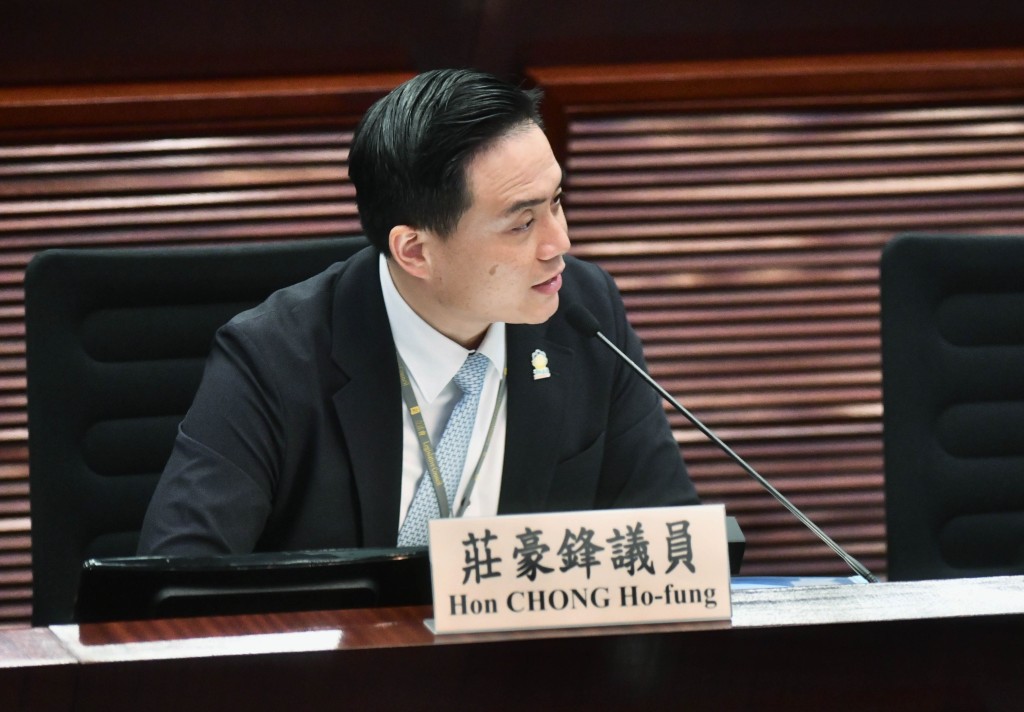
Addressing the controversy, Roundtable lawmaker Mark Chong Ho-fung explained that organizers of large-scale sporting events frequently invite media members and influencers to enhance promotional efforts.
He noted that international influencers with massive global followings play a significant role in elevating Hong Kong's international image.
Chong stated that providing free tickets is essentially a marketing expense, though he urged organizers to exercise careful oversight to ensure resources are used effectively.
He hopes future events will strike a better balance between leveraging online influence and maintaining the core competitive values of the sport.
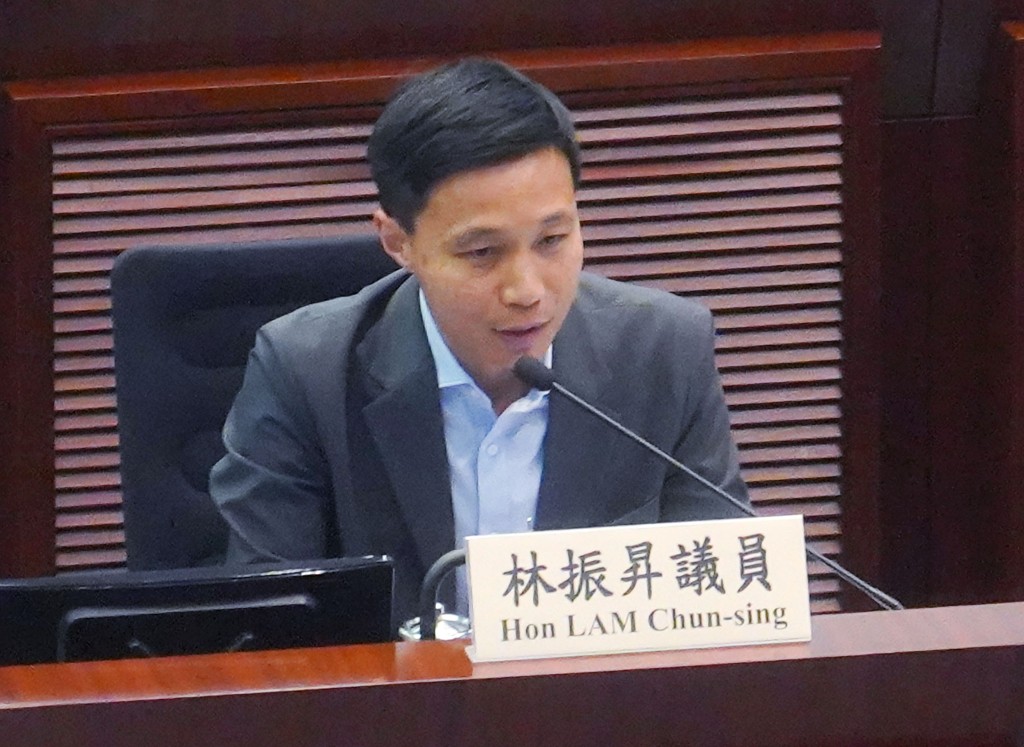
Federation of Hong Kong and Kowloon Labour Unions lawmaker Lam Chun-sing added that he was unsure if the tickets were given away entirely without conditions.
He pointed out that influencers rarely receive free perks without assuming promotional obligations or signing cooperative commercial agreements.
Lam categorized the arrangement as a standard business exchange, arguing that this operational model does not constitute an unfair distribution of tickets.