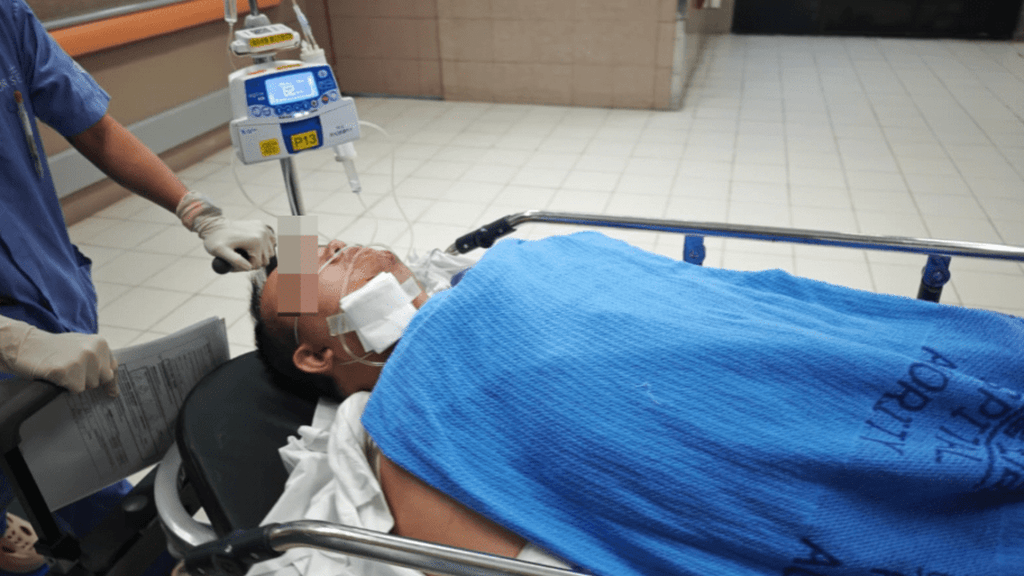
A Hongkonger working in Kumamoto Prefecture recalled his legs giving way as a magnitude 7.1 earthquake struck southern Japan, followed by more than 50 aftershocks within two hours.
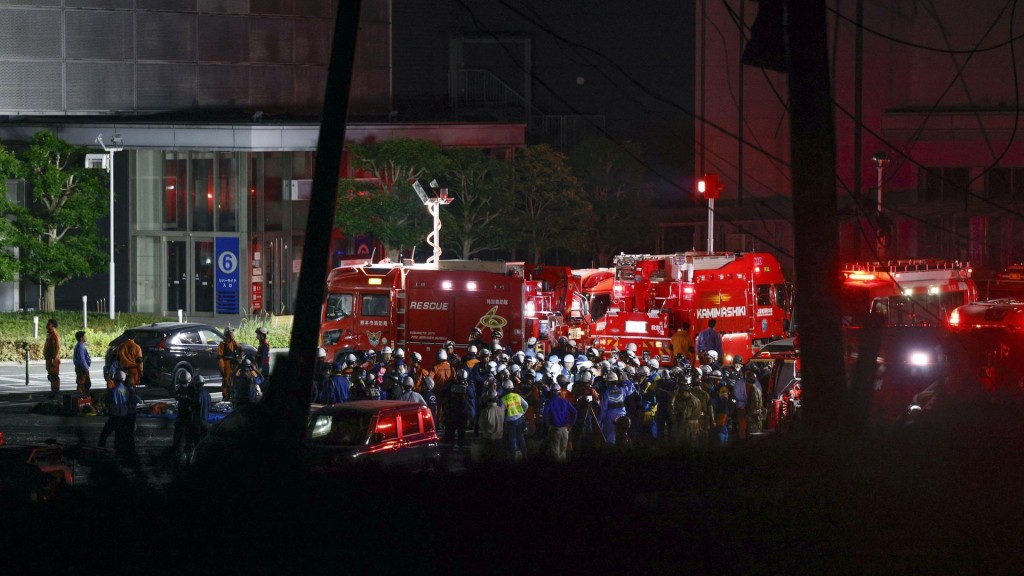
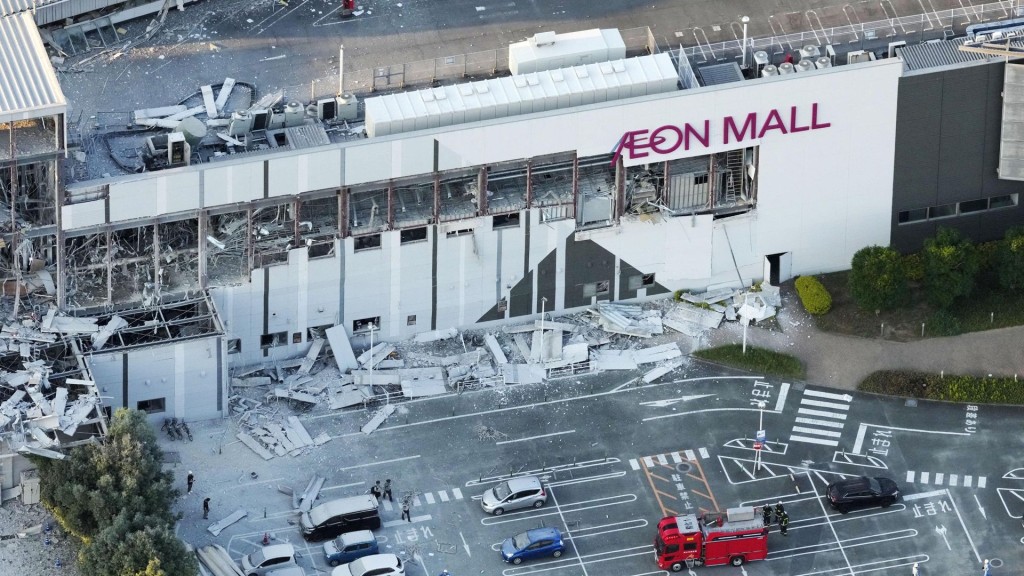
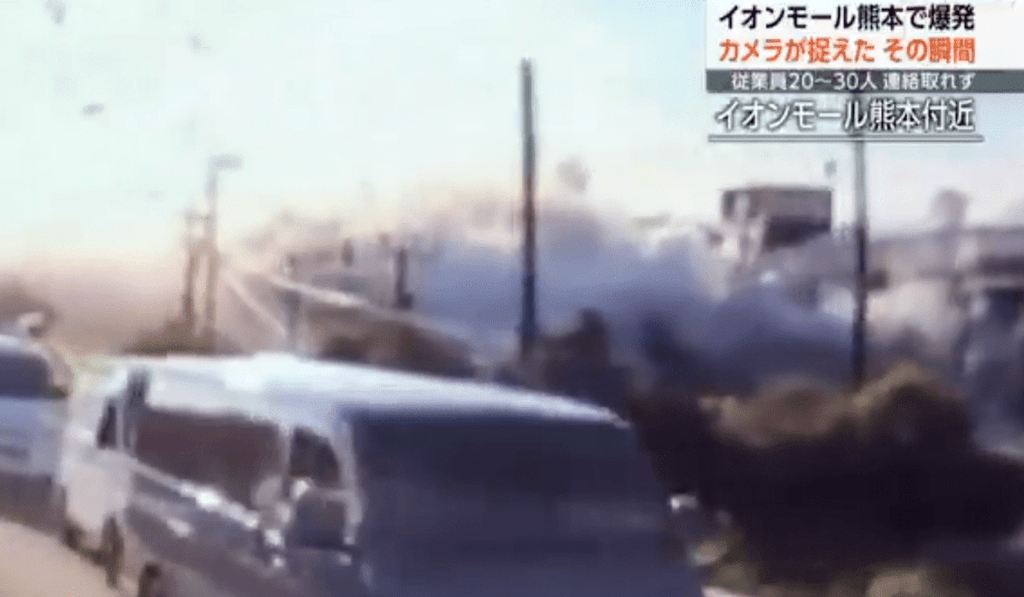
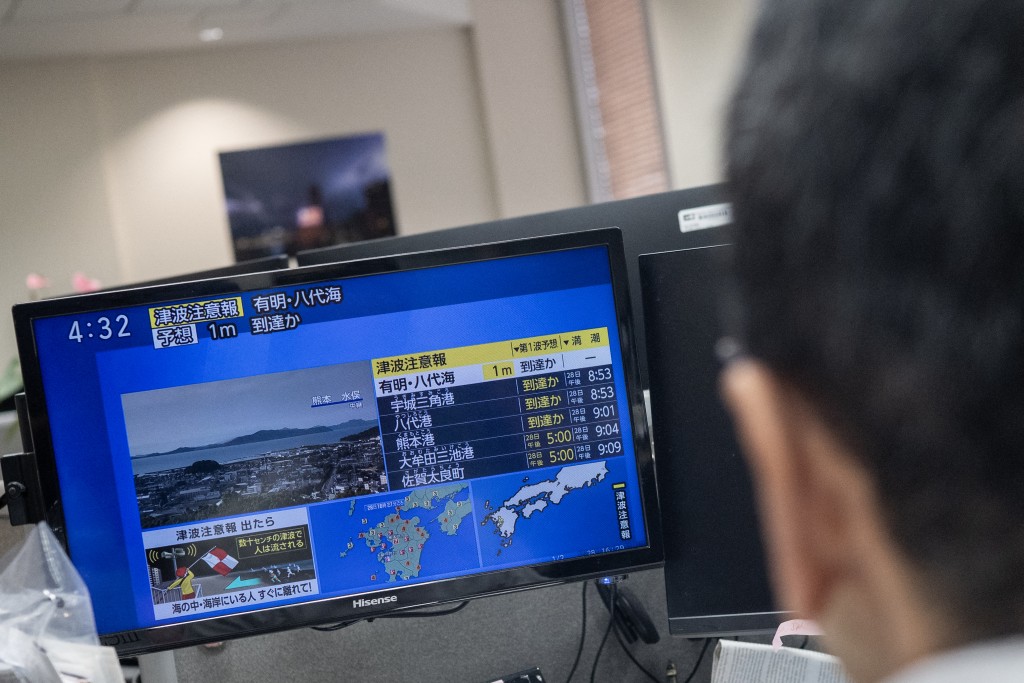
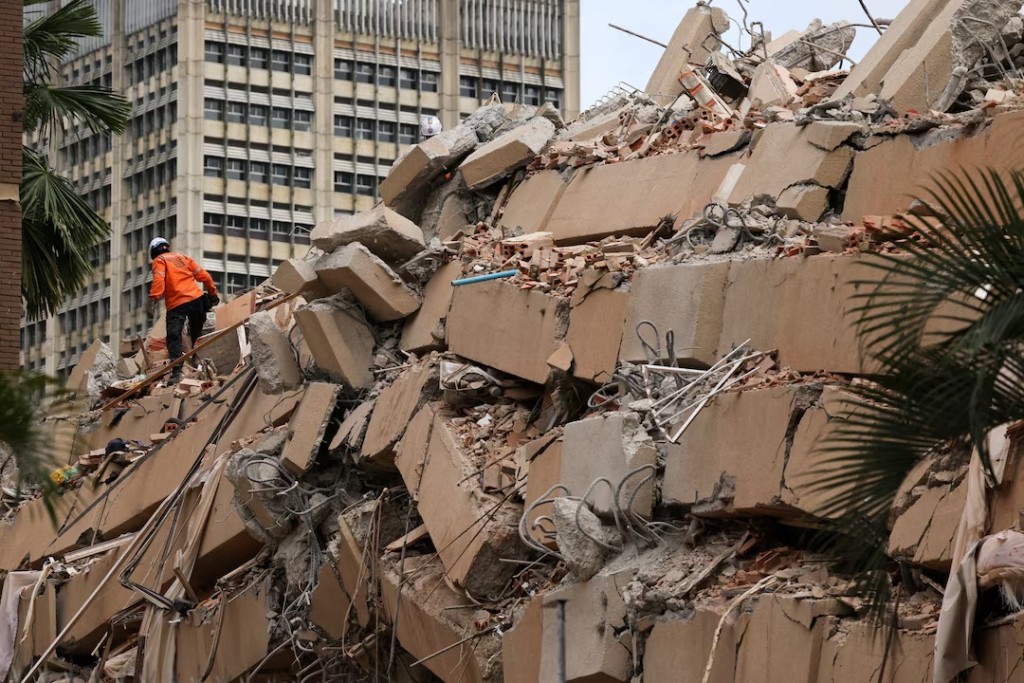
The earthquake hit Kumamoto on Tuesday afternoon, shaking large parts of Kyushu and killing at least 13 people as of Wednesday.
Van, who has lived in Japan for seven years and works at a stargazing hostel in Minamiaso, told a radio program on Wednesday that the tremors were unlike anything he had experienced before.
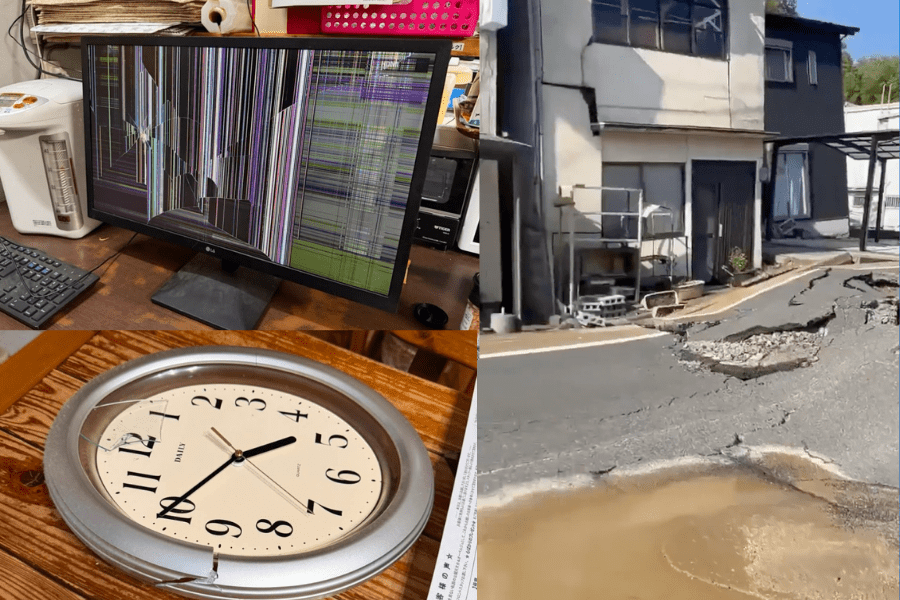
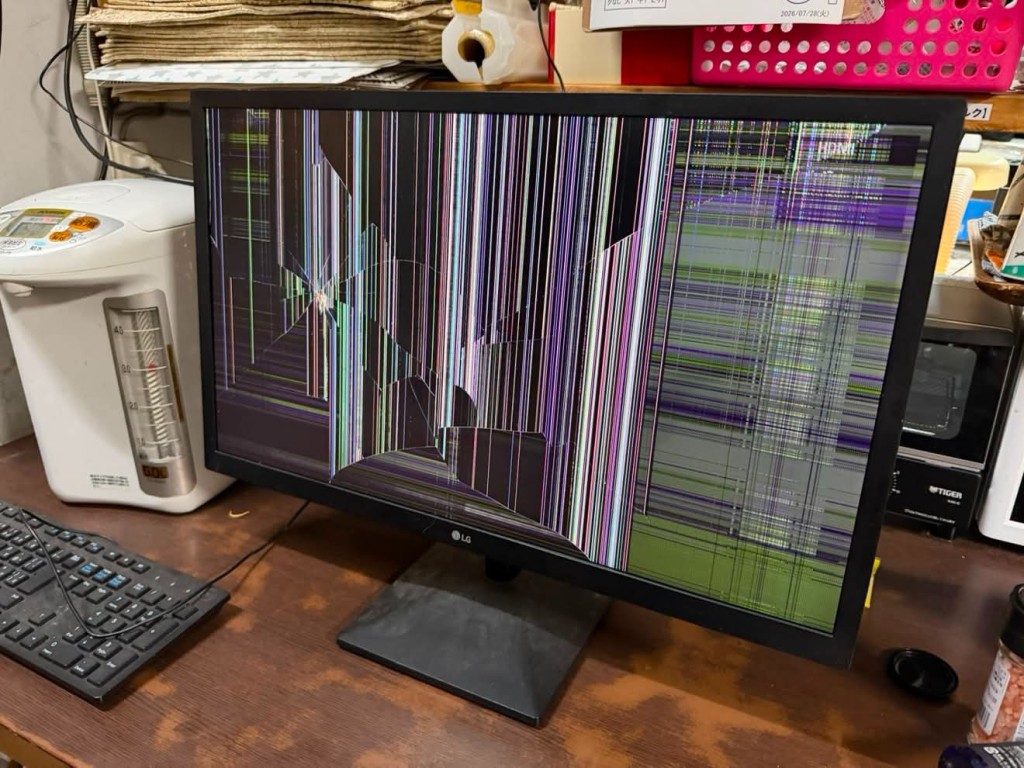
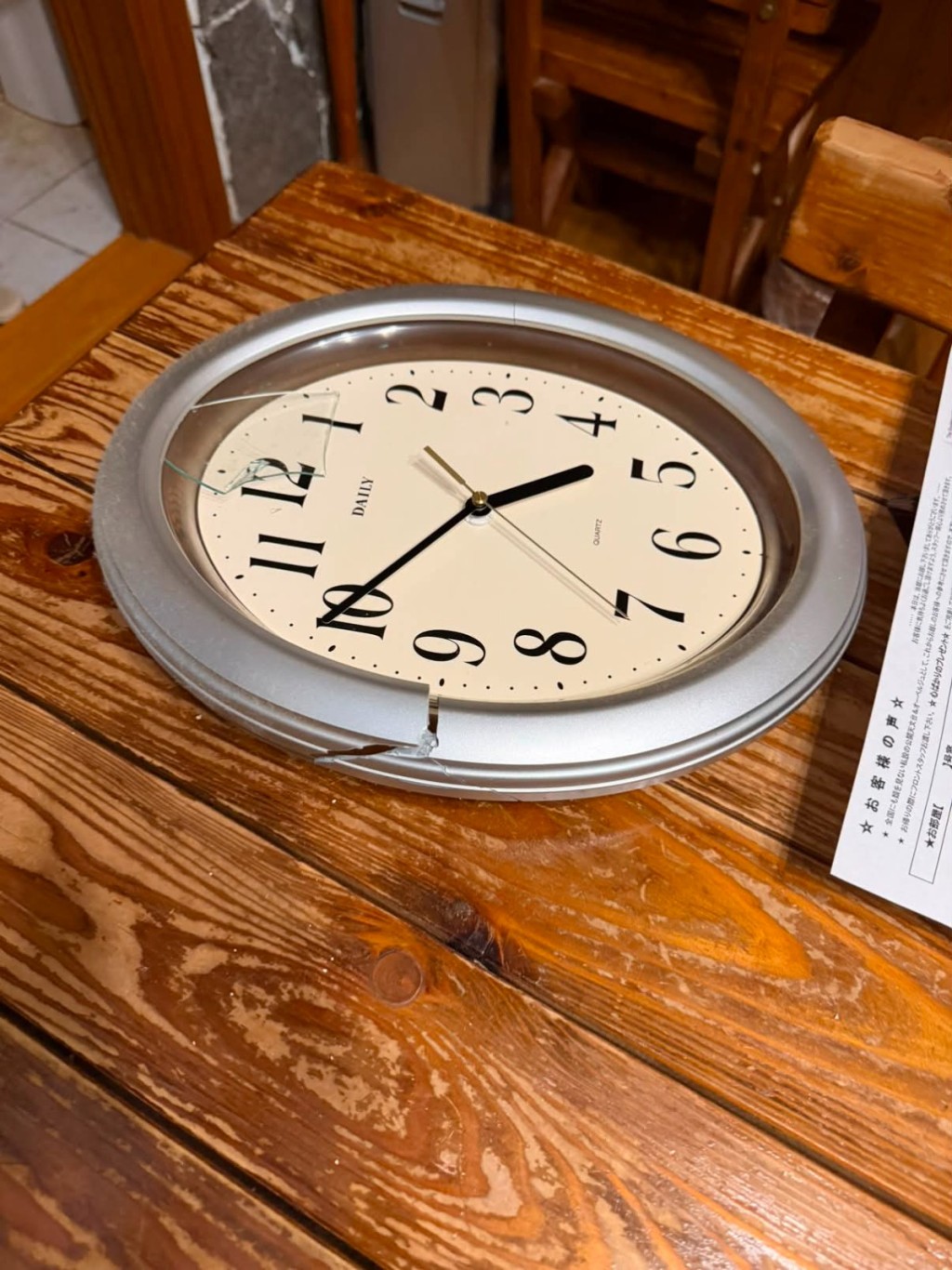
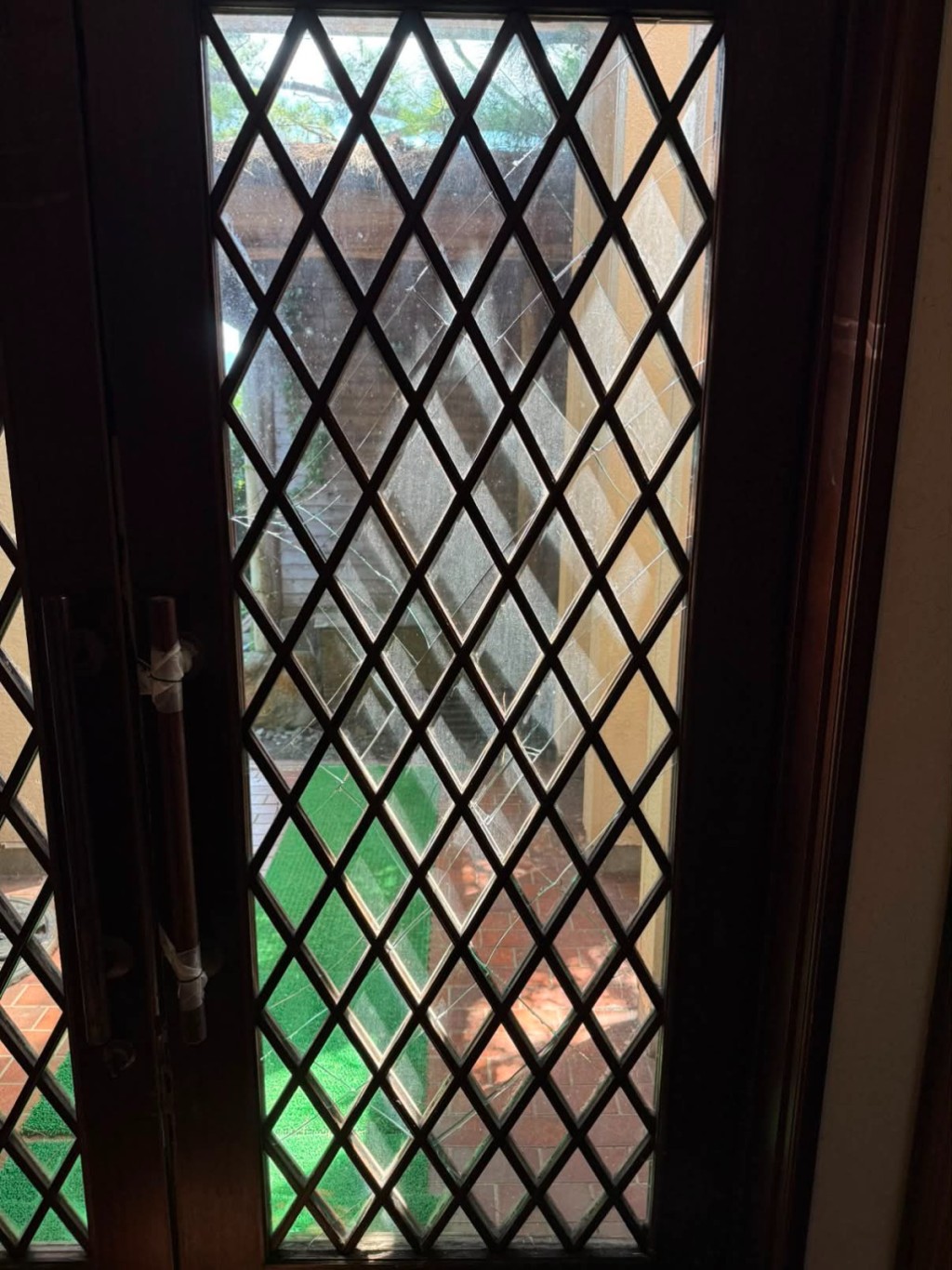
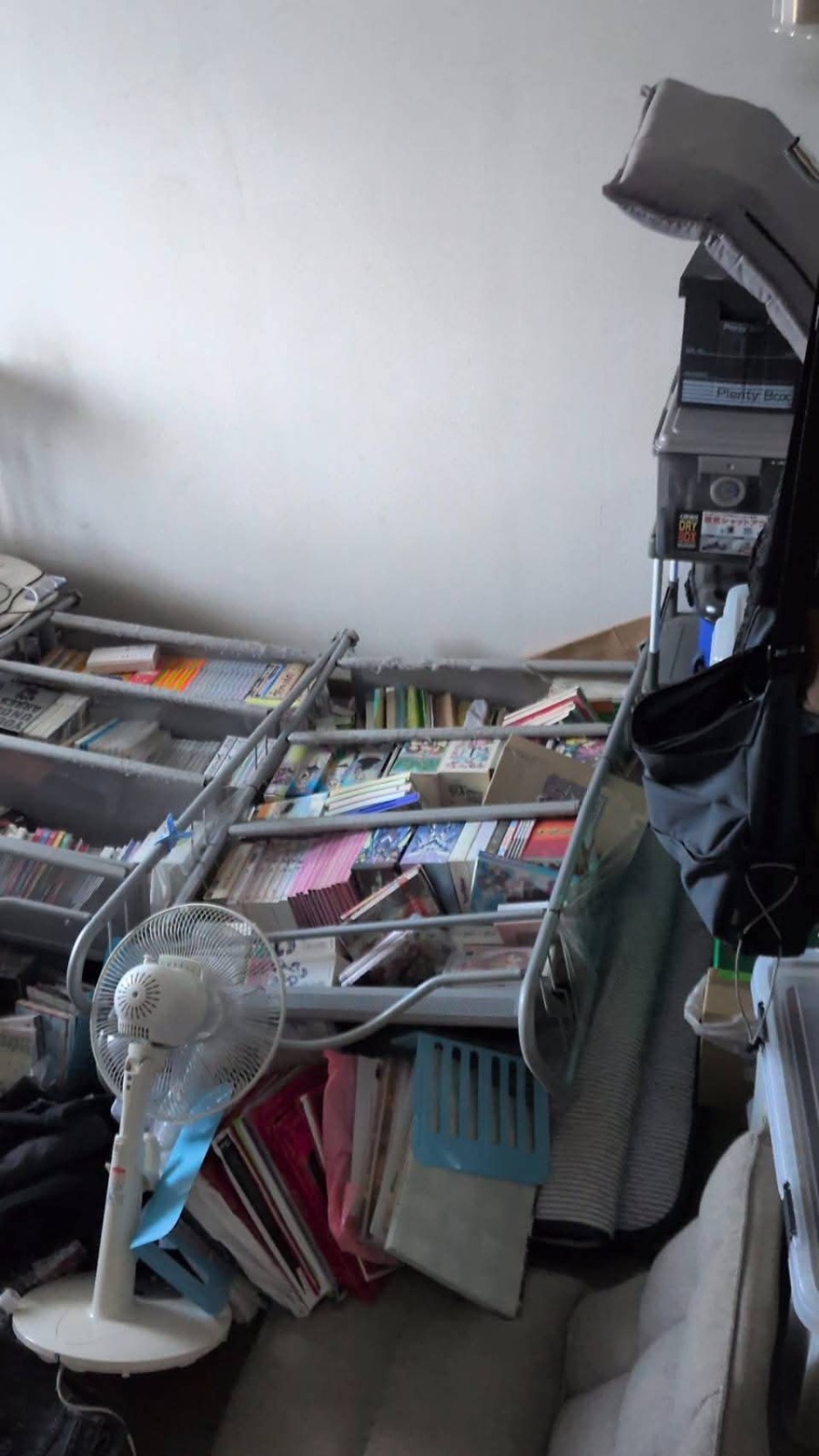
The hostel is about 20 kilometers from the epicenter. Van said he was sitting at his desk when the quake struck, causing screens to break and objects to be thrown to the floor.
He immediately ran onto the lawn outside and only then realized that his legs had gone weak with fear.
Despite the violent shaking, he returned to the 30- to 40-year-old building within seconds to help the guests evacuate.
“As a staff member, I couldn’t just stay on the lawn even though I was scared the building would collapse at any moment,” he said.
Still trembling, Van guided Japanese and German guests to open ground, reassured them and waited with them for about 30 minutes as the aftershocks subsided.
He said he counted more than 50 aftershocks within two hours of the main quake.
The disaster also dealt an immediate blow to local tourism, with the hostel receiving more than 40 booking cancellations in a single night.
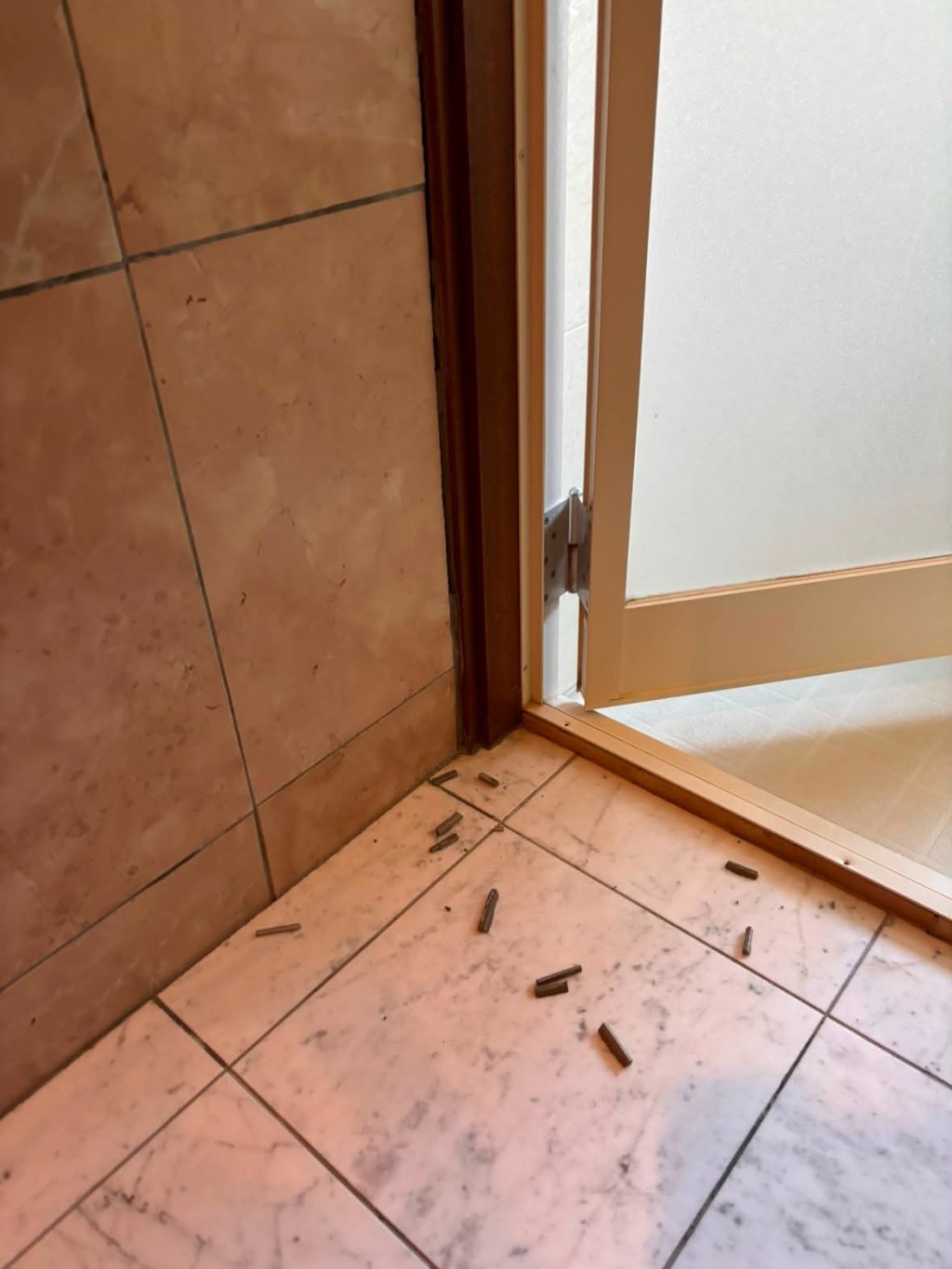
“The 2016 Kumamoto earthquakes had already left behind leaks and structural deformations that were never fully repaired, and the new tremor has only made things worse,” he said.
Van said no major rockfalls or widespread destruction had been reported in Minamiaso, where daily life remained largely normal as residents were accustomed to earthquakes.
He advised travelers to remain prepared because earthquakes strike without warning. Phones should be kept fully charged, with a power bank close at hand for emergency alerts and calls.
Travelers should also place easy-to-wear clothing beside their beds and keep an emergency bag containing food and water within reach, he said.
Those already in Japan should avoid the epicenter and disaster areas to protect themselves and keep access routes clear for rescue workers.