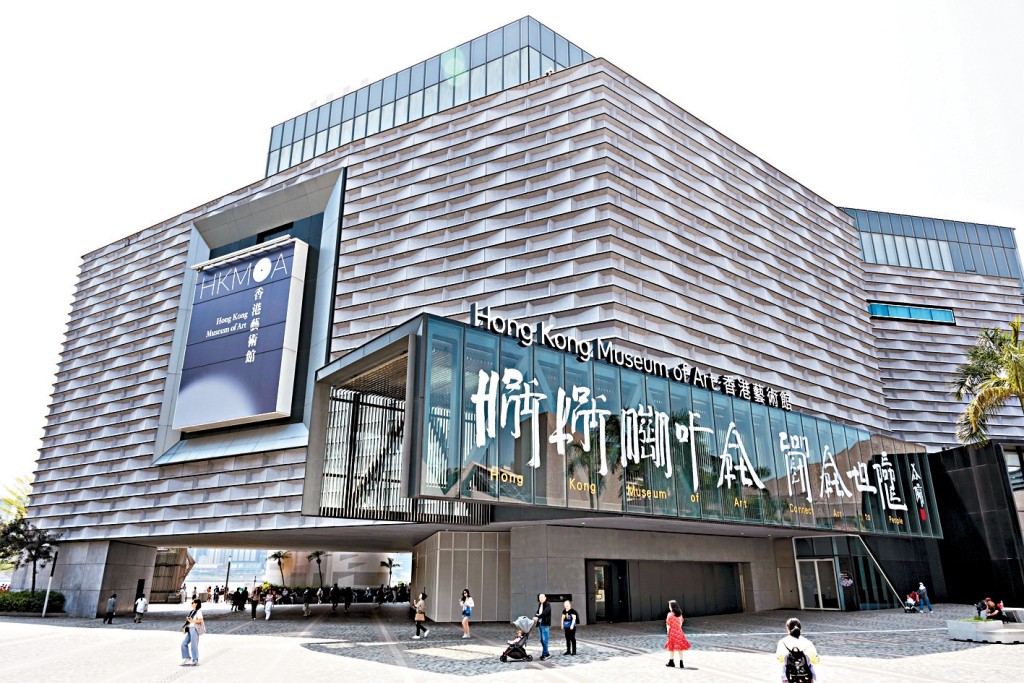
Lawmakers have urged Hong Kong’s public museums to fully capitalize on market opportunities, such as renting out venues after closing hours, as the facilities recorded a deficit of over HK$500 million last year.
Latest data from the Leisure and Cultural Services Department (LCSD) reveals that the museum's recurrent expenditure reached HK$540 million, while generating only HK$30 million in revenue.
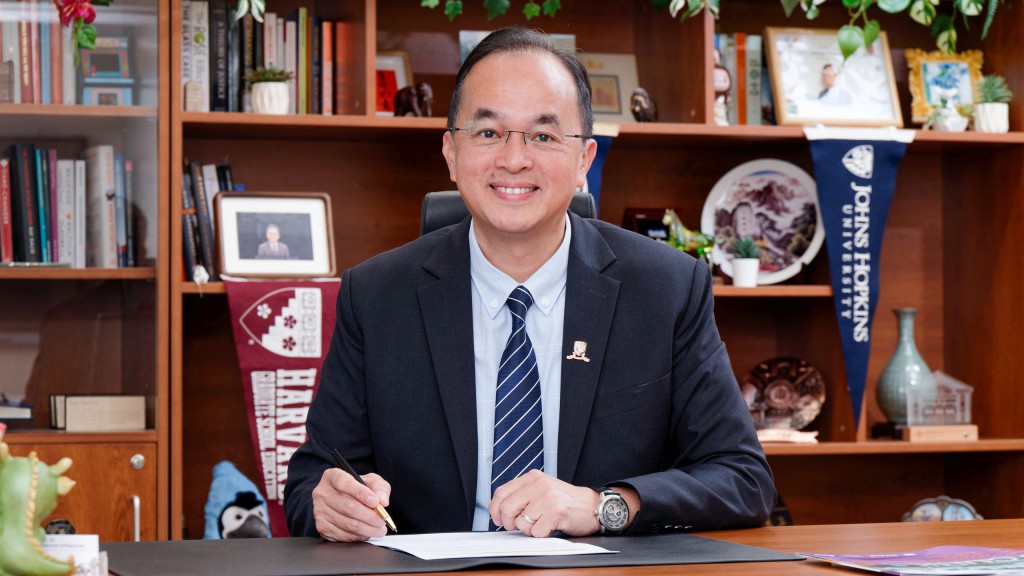
Lawmaker Chan Pui-leung noted in a radio program that the cost-recovery rate of Hong Kong’s public museums is far lower than those in Singapore, Europe, and the US, indicating substantial room for improvement.
He pointed out that ticket prices have not been adjusted since 2013, while foot traffic remains highly uneven, with the top five museums monopolizing seventy percent of total visitors.
He urged the government to implement a flexible ticketing strategy, such as moderately raising ticket prices for highly appealing blockbuster exhibitions.
Meanwhile, Chan suggested deepening commercial partnerships, such as collaborating with Hong Kong’s historic finance, insurance, or shipping sectors to co-organize exhibitions to maximize economic benefits.
While lawmaker Lau Chi-pang expressed concerns over potential over-commercialization, he agreed that public museums have not fully utilized market opportunities. He urged authorities to reference the revitalization of Central Market to unlock and activate frequently underutilized spaces, such as the atrium of the Hong Kong Heritage Museum, for commercial activities.
Furthermore, Lau proposed utilizing the hours after 6pm on weekday evenings to rent out specific galleries to corporations or organizations for private events, estimating that hosting just three to four private events per week could generate substantial fiscal revenue.
Last year’s policy address proposed the introduction of market-based business models into LCSD facilities, such as renting out venues on closing days for commercial or private events, opening more spaces for lease, and utilizing facilities such as the exterior walls of the Hong Kong Space Museum for commercial advertising.