Read More










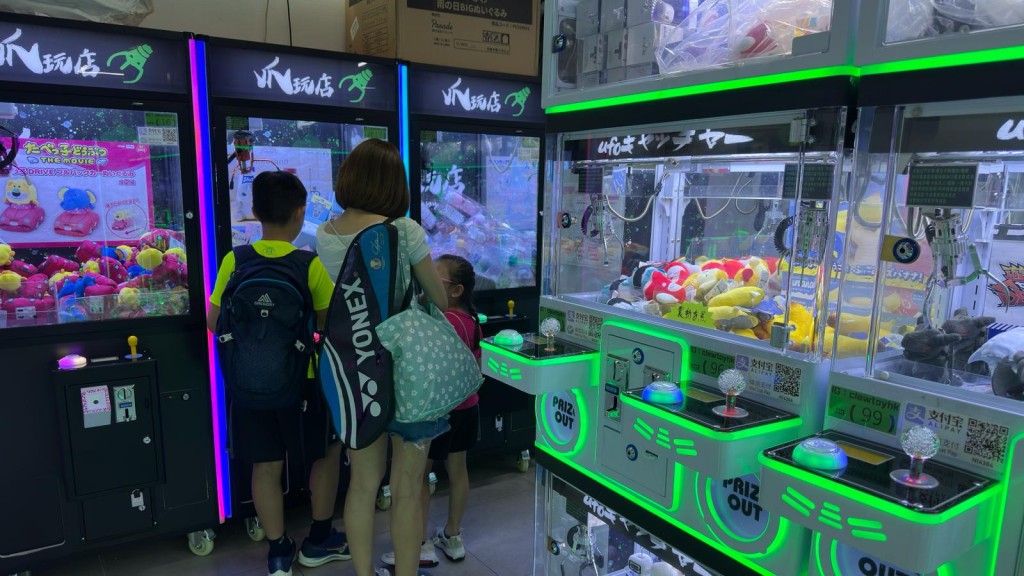
The Consumer Council received 138 complaints about claw machines in 2025, up more than 1.8 times from 2024 and the highest level since 2023.
Meanwhile, in the first five months of this year alone, the council has received 36 complaints.
In one case, a claw machine displayed toys inside, with empty toy packaging boxes placed along the edges.
The complainant thought the boxes contained toys and spent about HK$200 on around 40 attempts before successfully clawing out one of the boxes. However, they later found that the box was empty and did not contain a toy.
The machine owner said the boxes were merely decorative background items and not prizes, and refused to exchange the box for a toy.
The complainant believed the display was misleading and lodged a complaint with the Consumer Council. They eventually received a full refund of the game fees.
In another case, a complainant played a claw machine 15 times at a game center. They noticed that when the claw successfully picked up a doll, it would automatically release the item when reaching the top. However, when the claw did not pick up a doll, it would only release after moving to the prize outlet.
The complainant suspected the machine had been deliberately adjusted in a way that disadvantaged consumers.
The game center company said it had followed up on the case, reminded staff to proactively assist customers who failed multiple times, and strengthened inspections to prevent games from becoming excessively difficult. The company also offered the complainant five "buy one, get one free" play vouchers.
The Consumer Council urged operators to clearly display information on charges, rules and game mechanisms on machines or in prominent locations, and to avoid settings that are excessively difficult or unreasonable.
It also advised consumers to carefully read machine rules and prize descriptions before playing. If they notice any abnormality, they should stop playing and contact staff for follow-up.
When asked about the government's plan to amend the law to regulate claw machines, including requiring venue operators to obtain licenses for machines installed on their premises, council chief Alaina Shum Jiu-fai expressed support for the move.
Shum said the council has submitted recommendations to the Home and Youth Affairs Bureau, and believes regulation would help standardize the industry and reduce situations in which venue operators and machine owners shift responsibility to each other.
The council also suggested introducing a guaranteed-win mechanism, though the details would need to be discussed between the government and the industry.