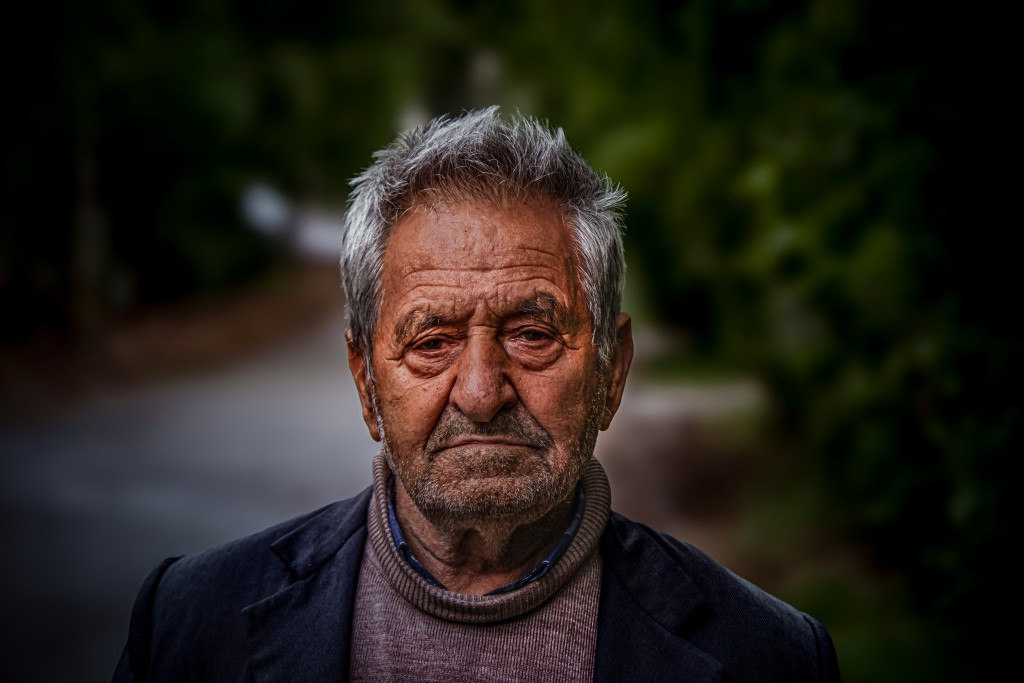
Elderly suicide remains a serious issue in Hong Kong. In 2024, there were 472 suicide cases among those aged 60 or above, accounting for 41% of all suicide cases. This situation cannot be ignored. Each tragedy prompts society to reflect: Could we have reached out sooner and built a protective net for them?
Elderly Suicidal Thoughts: A Combination of Multiple Factors
Suicidal thoughts in the elderly often arise from an accumulation of threefold pressures: physical, psychological, and social.
- Physical Health: Chronic long-term illnesses, persistent pain, and functional decline lead to feelings of helplessness.
- Mental Health: Depression or anxiety disorders significantly increase suicide risk.
- Social and Family: The traditional concept of "raising children for old-age support" has weakened. Estrangement from adult children and lack of community support intensify feelings of hopelessness.
Identifying Suicide Warning Signs: Verbal, Behavioral, Emotional
Early identification of suicide warning signs in the elderly is crucial. Those around them must be alert if they notice the following signs:
Verbal Warning Signs:
- Often says things like "Life isn't worth living," "I don't want to be a burden."
- Suddenly talks about posthumous matters or distributing belongings.
Behavioral Warning Signs:
- Withdraws from friends and relatives, abandons hobbies.
- Refuses food or medical treatment.
- Deliberately hoards medication or dangerous items.
Emotional Warning Signs:
- Long-term depression, anxiety, insomnia.
- Sudden shift from extreme low mood to abnormally calm (may indicate a decision has been made).
Elderly Self-Care: Accumulating Positive Energy Through Daily Habits
To maintain physical and mental health and a cheerful mood, the elderly can focus on several aspects of daily life:
- Establish a Routine: Engage in moderate exercise daily (e.g., walking, Tai Chi, stretching), maintain adequate sleep, and eat a balanced diet.
- Maintain Social Connections: Proactively participate in community center activities, hobby classes, or volunteer services to expand social circles and avoid prolonged isolation.
- Express Emotions: Do not bear pain alone. Talk to family, friends, social workers, or medical professionals. If needed, call 24-hour emotional support hotlines like "Suicide Prevention Services" (2382 0000) or "Emotional Support Hotline 18111" for assistance.
- Adhere to Treatment and Find Fulfillment: Attend follow-up appointments on time and take medication as prescribed to stabilize conditions. Also, establish spiritual or emotional anchors through religious faith, hobbies, or setting life goals.
Family and Friends: Building a Protective Barrier
The care of family and friends is a crucial line of defense for the mental health of the elderly. Offer care through daily actions such as phone calls, home visits, or inviting them to family gatherings, making isolated or socially disconnected elderly feel cared for. Observe their emotional changes carefully, listen empathetically, and never dismiss or blame them.
If an elderly person admits to having suicidal thoughts, ask directly but gently: "Have you been thinking about harming yourself recently?"
- Seek professional help immediately: Make an appointment with a psychiatrist or geriatrician, contact a social worker, or call a crisis hotline.
- While waiting for professional assistance, arrange for someone to accompany them, avoiding long periods alone.
- Encourage participation in community activities, hobby classes, or volunteer services. Within their ability, involve them in family matters like caring for grandchildren or sharing life experiences to enhance their sense of presence and being needed.
Cross-Sector Collaboration: Government and NGOs Join Hands to Weave a Safety Net
Hong Kong currently has several professional elderly suicide prevention and support services:
Government Level:
- Support for Carers Data Platform (First phase established July 2025): Collaborates with the Housing Authority to identify high-risk elderly households in public housing and commissions the "Care Teams" to conduct home visits. As of the end of April this year, Care Teams have contacted or visited over 35,000 high-risk households and made over 2,900 referrals for welfare services, including elderly care and mental health services.
Medical and Social Welfare Level:
- Hospital Authority's "Prevention of Elderly Suicide Programme" (since 2002): Provides psychiatric diagnosis and treatment for suicidal elderly individuals.
- Department of Health's Elderly Health Centres: Provide health assessments for members, including screening for depressive symptoms and suicidal thoughts.
- Social Welfare Department: Offers emotional support and counseling through district elderly community centres, integrated family service centres, and outreach teams.
Community Support:
- NGOs such as Suicide Prevention Services, The Samaritan Befrienders Hong Kong, and the Centre for Suicide Research and Prevention (HKU) provide 24-hour hotlines, outreach visits, group activities, and crisis intervention.
Elderly suicide is an issue that requires the entire society to address together. We need to convey a clear message: expressing emotions and seeking help is a sign of courage, not weakness. As long as we are willing to take one extra step, a sincere, warm greeting could be the key to saving a life. Seek professional help early for elderly individuals in need, and strive to reduce tragedies.
Author: Ms. Kwan Sung-yee, Lecturer, School of Nursing and Health Studies, Hong Kong Metropolitan University