Read More



Night Recap - July 28, 2026
2 hours ago





Alex Chui makes IMO history with perfect score and record seventh medal
27-07-2026 19:51 HKT


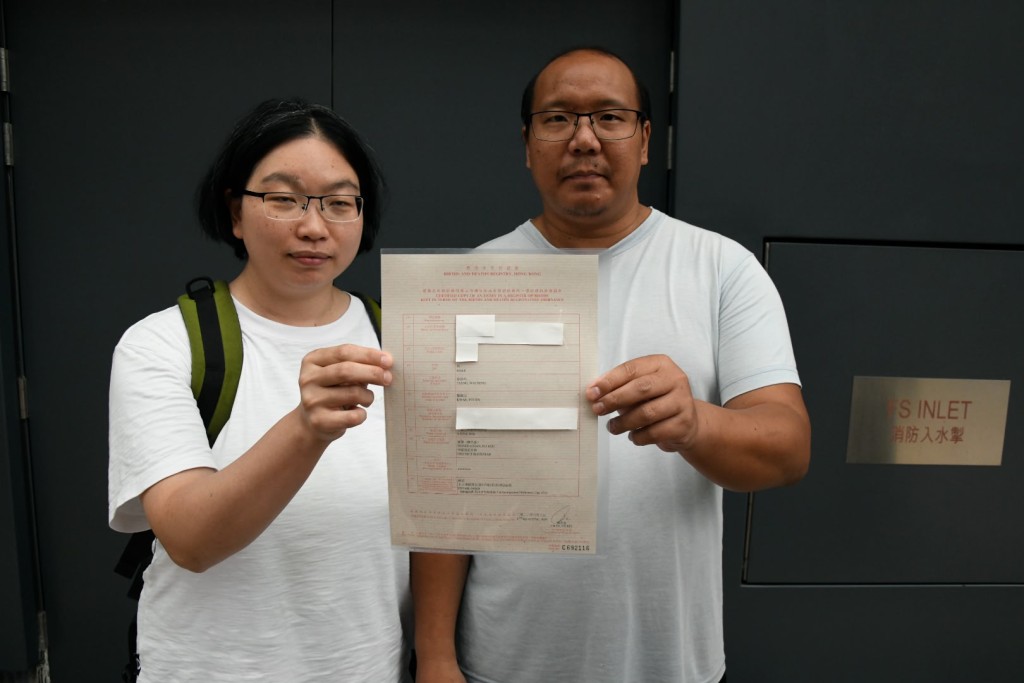
A Hong Kong family has successfully obtained a birth certificate for their newborn son, Danny, following a rare planned home birth. The mother, Ms. Kwan, recently shared the meticulous health and safety preparations that went into the delivery, the unique legal steps required to register a home birth in the city, and their successful application for the government's one-off newborn baby bonus.
To ensure a safe environment for the delivery, Ms. Kwan explained that they maintained strict sanitary standards at home.
They kept a fully stocked first-aid kit with pre-sterilized medical gauze and cotton wool used strictly within their expiration dates.
Any instruments that would come into contact with open wounds were carefully sanitized, with the couple opting for disposable, pre-sterilized wound-cleaning kits.
The metal scissors used to cut the umbilical cord were sterilized in a dedicated container with steam for over ten minutes.
The mother emphasized that the entire delivery required constant communication, mutual support, and absolute trust.
Throughout the process, the designated birth partner had to remain highly observant of any sudden physiological changes.
Immediately after the birth, they ensured the baby’s airway was clear, confirmed his breathing and pulse were normal, and checked his responsiveness to external stimuli before keeping him warm and initiating breastfeeding.
The father, Tsang, personally cut the umbilical cord, a moment the couple described as deeply bonding and coordinated.
Securing an official birth certificate for a baby born outside a hospital involves a unique administrative process in Hong Kong.
Kwan revealed that Danny’s birth certificate lists their exact residential address, down to the flat, floor, and building number, as his place of birth.
During the application process, officers from the Immigration Department conducted oral interviews to gather details about the delivery and requested supporting evidence.
Authorities emphasized that DNA testing would serve as the most definitive proof of parentage.
After the parents submitted the required documentation, immigration officers conducted an in-person home visit to inspect the place of birth before the registration was finalized and the certificate was issued.
Along with the birth registration, the couple also successfully applied for the government's one-off incentive of twenty thousand Hong Kong dollars for newborns.
While Danny’s father defended the decision by citing academic papers suggesting home births are not significantly riskier than hospital deliveries—adding that he wished to protect his partner's privacy from excessive medical staff—professional obstetricians strongly advise against the practice.
Dr. Amy Fong Sau-yee warned that home births carry extremely high risks.
She noted that without immediate access to professional medical personnel and emergency medication, complications such as postpartum hemorrhage or obstructed labor could quickly become life-threatening for both the mother and the infant.
Planned home births remain exceptionally rare in Hong Kong, with official records indicating only eight such cases registered over the past four years, peaking with four cases in one year.
While some prominent public figures and celebrities have opted for home births in other parts of the world, local personalities have expressed hesitation.
Media presenter Bob Lam stated that safety remains his absolute priority, noting that all four of his children were delivered in public hospitals due to their comprehensive medical equipment.
Similarly, travel host Christy Leung Tsz-pui shared that despite knowing of the practice during her time living in Canada, she would always choose a hospital delivery for herself.
Under Hong Kong’s Births and Deaths Registration Ordinance, parents are legally required to register their child's birth within forty-two days.
For planned home births, parents cannot use the standard online or hospital-assisted pathways.
Instead, they must personally attend the Births and Deaths General Register Office in Admiralty to submit a formal declaration of a home birth.
The application must be accompanied by sufficient proof, such as declarations from witnesses present during the birth and relevant medical assessments, before the government will officially recognize and issue the birth certificate.