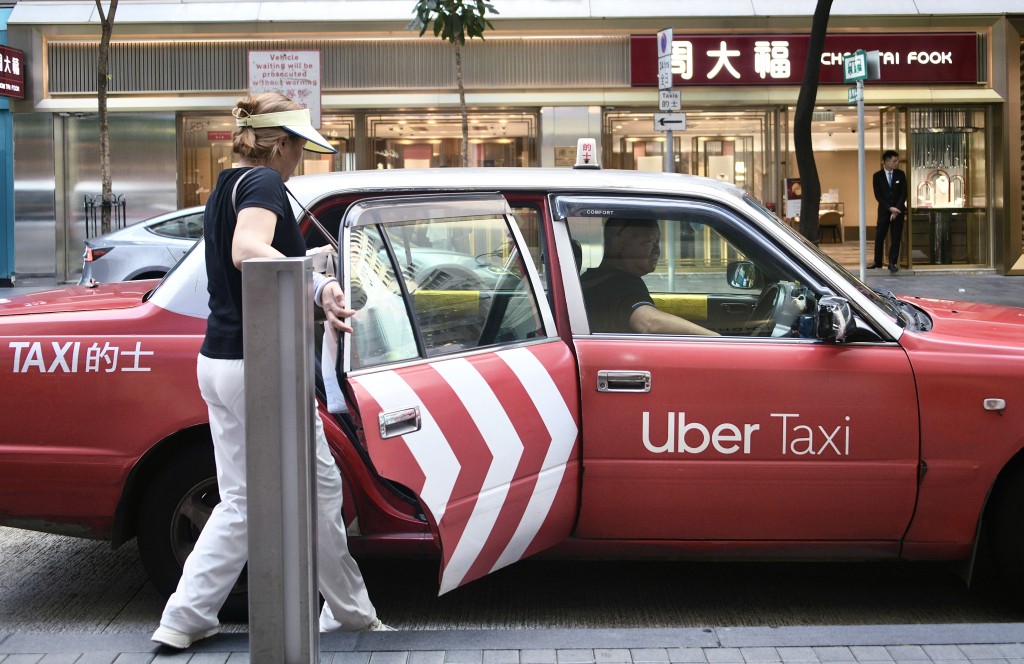
The government planned to issue an initial 10,000 ride-hailing licenses in the first phase of regulation, sparking concerns from both ride-hailing platform operators and taxi drivers.
The proposal has been gazetted and will be submitted to the Legislative Council for scrutiny.
The authorities estimate that 10,000 licensed vehicles could handle about 120,000 trips per day, based on the assumption that each driver completes two trips per hour over a six-hour shift.
However, Uber said the quota is significantly lower than the market demand, which could affect the experience of both Hong Kong residents and international tourists. It also argued that more than 20,000 existing ride-hailing drivers would lose opportunities for flexible income.
Uber suggested adopting a data-driven testing and learning approach, with the arrangements reassessed every quarter to better reflect market needs.
The platform also said that any allocation mechanism should be based on drivers’ professionalism, service quality, safety performance, and commitment to passengers, rather than a random lucky draw.
Uber added that it hopes to work closely with the government to develop an effective licensing allocation plan and a feasible review mechanism.
Meanwhile, taxi drivers’ groups criticized the licensing scheme, warning it could lead to vicious competition for taxi drivers.
Peter Yung Kwok-ho, a board member of the Hong Kong Taxi & Public Light Bus Association, said on Wednesday that although the government said ride-hailing vehicles are mainly operated on a part-time basis, it cannot guarantee that drivers will continue to work only part-time after legalization.
Yung said the government’s capacity estimates are largely based on projections reported by consultants, which assume demand of about 120,000 ride-hailing trips per day.
However, he stressed that actual ride-hailing operations could change significantly once the system is legalized. In the past, ride-hailing drivers only needed to use their own vehicles and register them on a single platform to operate. Under the proposed scheme, drivers would have to pay additional costs to apply for a license to operate legally.
Amid rising operating costs, drivers would inevitably need to spend more time online to accept rides and recoup their costs. Therefore, they would spend more time working, which could lead to more drivers becoming full-time, Yung added.
Regarding the government’s initial plan to issue only 10,000 ride-hailing licenses, Yung said a more conservative number is necessary.
If the number of licenses were loosened too much right from the start, once they’re out there, it’s hard to take them back, he said.