Read More

Ride-hailing baseline survey set for third quarter, says transport chief
08-06-2026 17:35 HKT





Morning Recap - October 23, 2026
5 hours ago




Hong Kong should issue at least 14,000 ride-hailing licences as it moves to regulate the sector, according to Michael Tien Puk-sun, convenor of Roundtable.
Tien’s remarks came amid reports that the government is considering granting around 10,000 permits in the initial phase of the licensing regime.
In a social media post on Monday afternoon, Tien said the proposed figure may not be sufficient to meet future demand, particularly if authorities adopt a “one car, one driver” model.
He pointed to overseas examples, noting that Shenzhen has about six ride-hailing vehicles for every taxi, while Singapore has around 4.5 and Shanghai about 2.6.
Tien acknowledged that past opposition from the taxi sector has made the government more “cautious,” but said 10,000 permits would be the “bare minimum,” given that an estimated 15,000 to 20,000 unlicensed ride-hailing vehicles are already operating in the city.
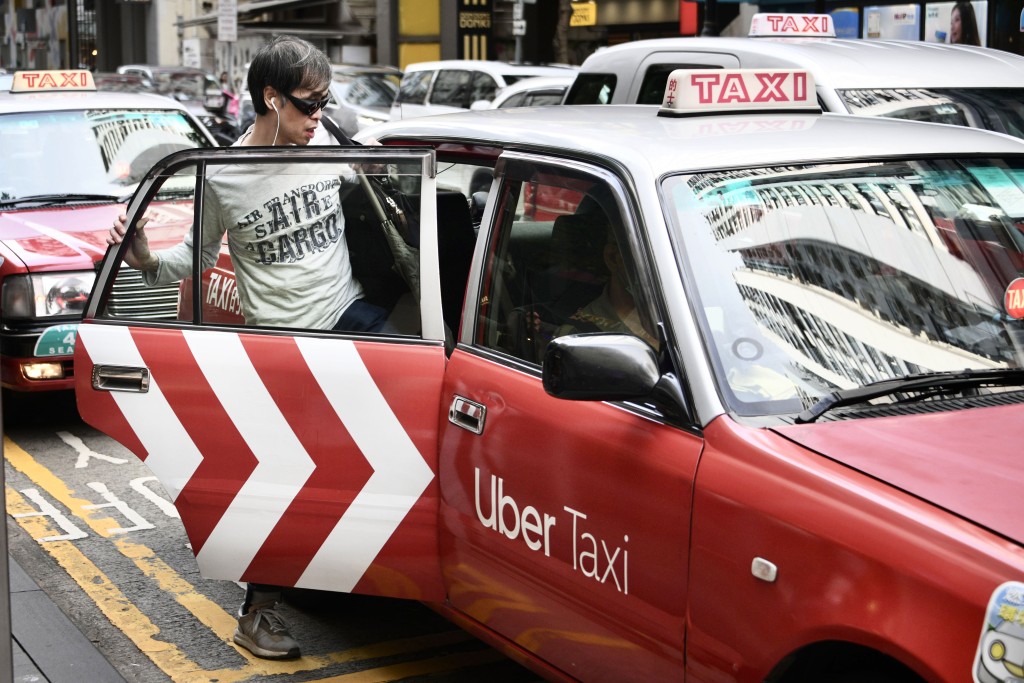
“We might need 13,000 or even 14,000,” he wrote, adding that such a level could strike a better balance, especially as around 10,000 of Hong Kong’s 18,000 taxis are already working with Uber Taxi.
“We will strongly oppose the proposal if the final numbers fall below 10,000,” he added.
Tien also called for a review of licence numbers every six months after the system is implemented, saying new legislation could generate additional demand.
He urged authorities to adopt a flexible approach, noting that more residents may shift to legal ride-hailing services once the framework is in place, potentially increasing the need for higher quotas.
Hong Kong passed a regulatory framework for ride-hailing services last October, with authorities expected to submit detailed proposals this year and begin issuing licences by mid-year.
As the quota decision approaches, proposals from different stakeholders have varied widely, with ride-hailing platform Uber suggesting up to 30,000 licences, while the taxi industry has proposed around 3,600—both figures previously seen by authorities as impractical.