Read More
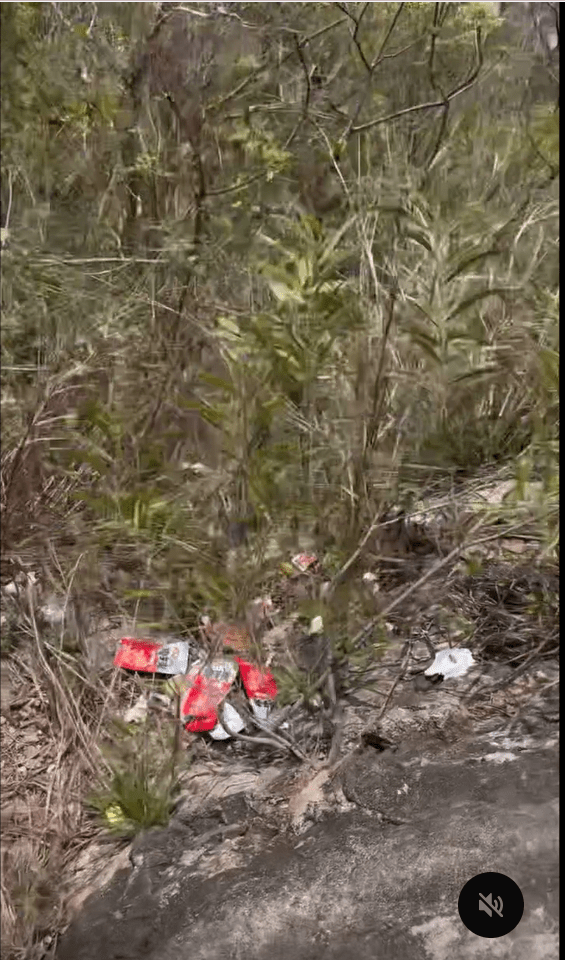
What should be one of Hong Kong’s most scenic hiking spots has, in parts, turned into what volunteers describe as “a hillside of trash.”
ADVERTISEMENT
SCROLL TO CONTINUE WITH CONTENT
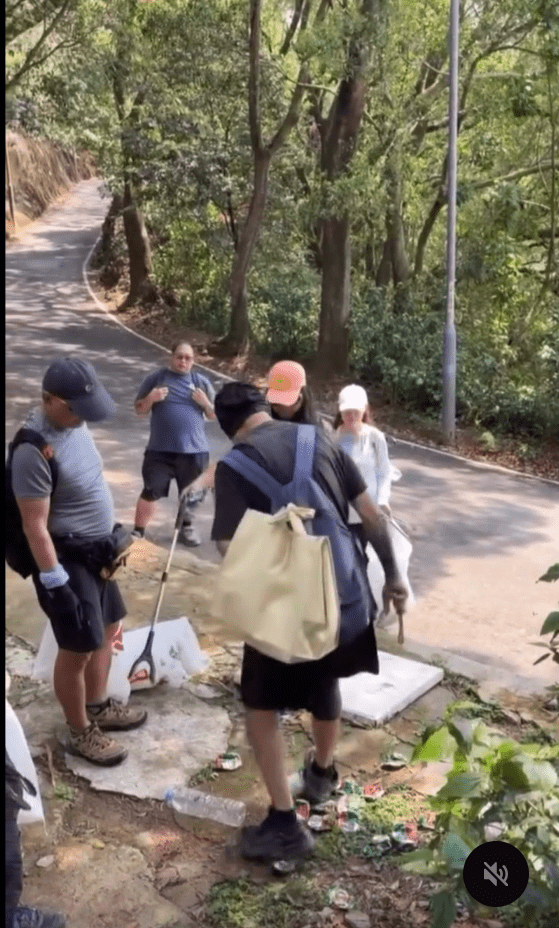
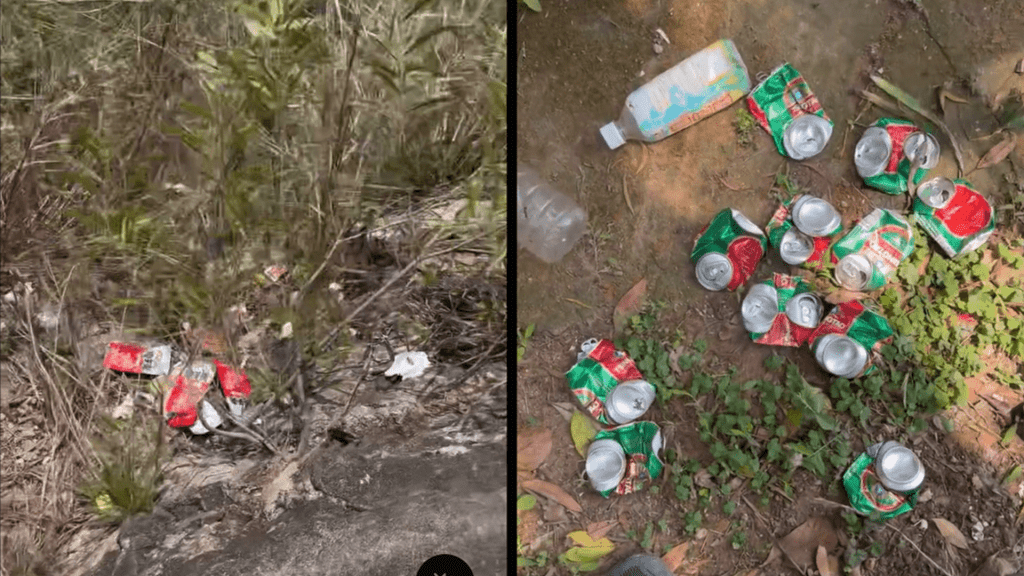
At Fei Ngo Shan, also known as Kowloon Peak, a recent clean-up effort uncovered a disturbing reality — rubbish scattered across a 10-kilometre stretch of steep slopes.
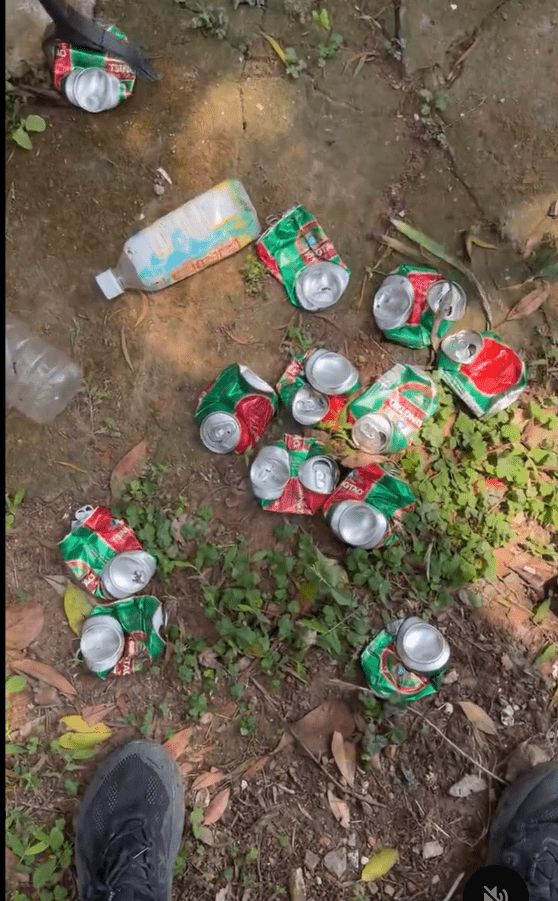
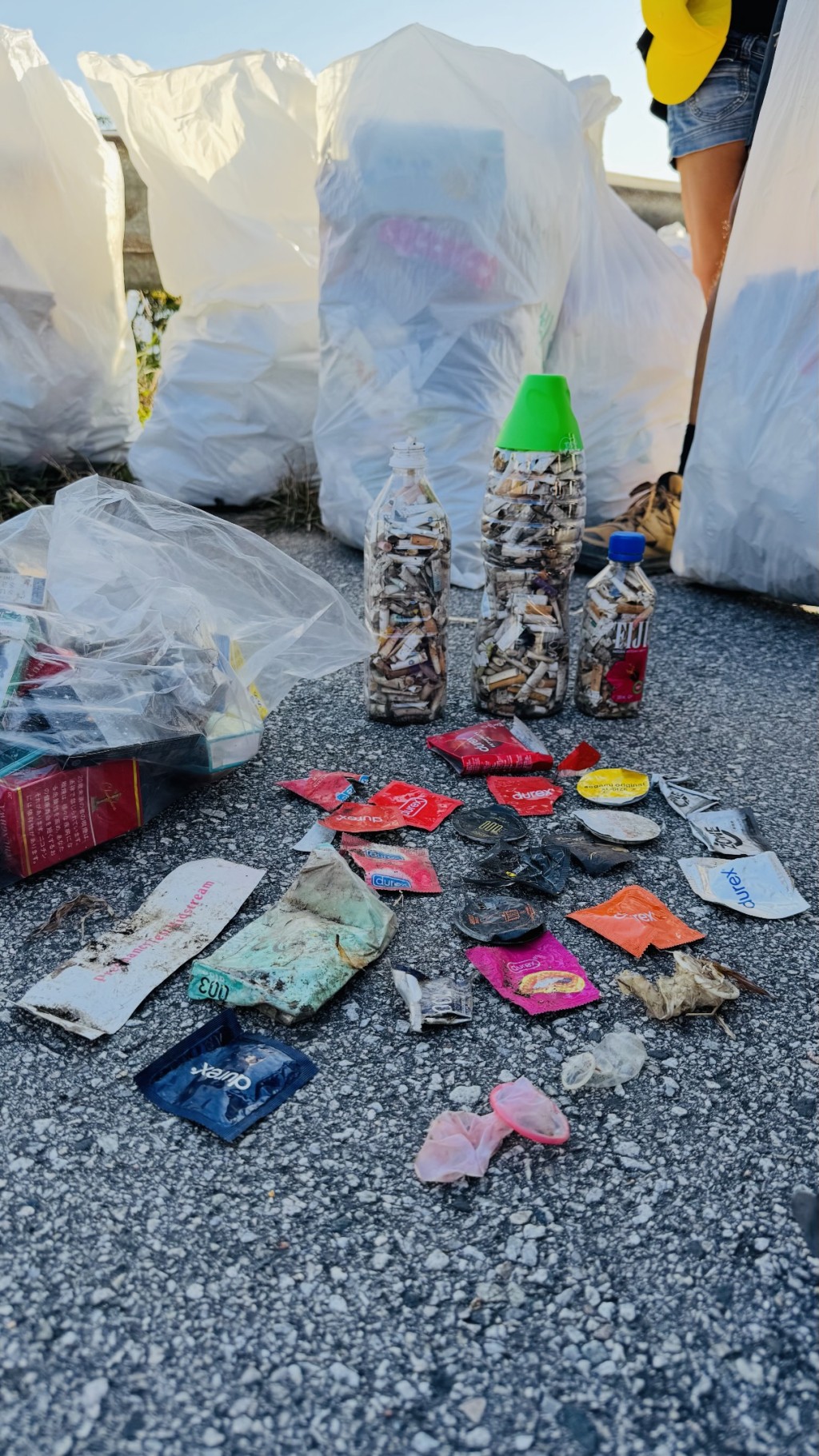
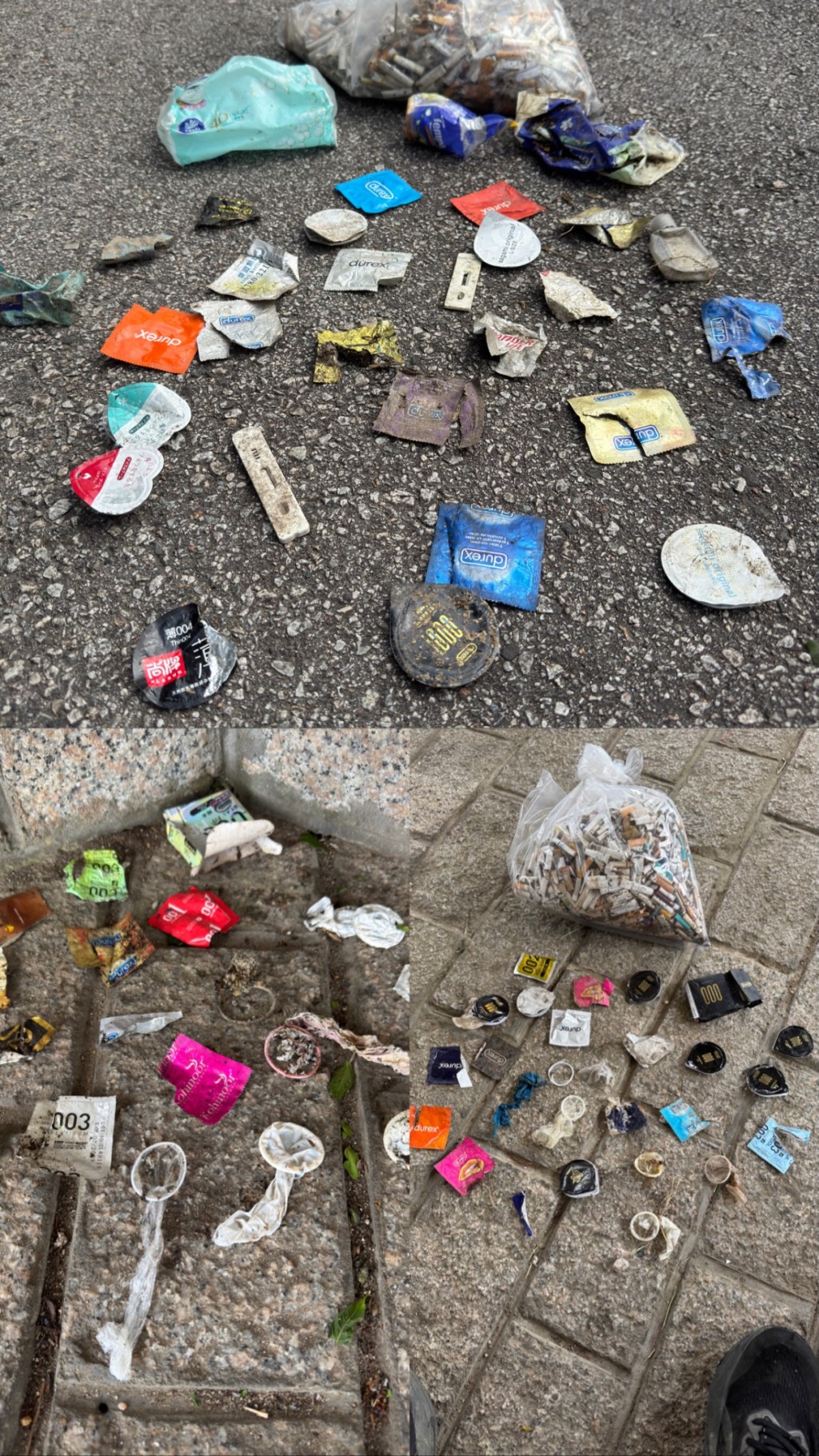
A volunteer cleaner who shared the experience on social media said the team found a wide range of waste, from cigarette butts and aluminum cans to disposable cutlery, takeaway boxes and plastic bottles. More shockingly, items such as used tissues and condoms were also discovered, believed to have been left behind by people engaging in private activities in parked vehicles. In some areas, suspected industrial waste had even been illegally dumped.
The scale of the pollution is not only disheartening but also dangerous. Much of the trash is lodged on steep hillsides, making clean-up efforts physically demanding and risky.
“It’s not worth risking your life climbing down just to pick up rubbish,” the volunteer said, describing a sense of helplessness so strong it felt like “waving a white flag.”
He added that many people only understand the issue through photos or short clips online, failing to grasp the true severity on the ground.
“After walking more than 10 kilometers, the amount of trash on the slopes is truly shocking,” he said, warning that without greater civic responsibility, the mountain could eventually be “ruined.”
The problem is not isolated. According to Sing Tao Probe, a sister publication of The Standard, a separate clean-up operation at Cape D’Aguilar saw another volunteer team spend around nine hours clearing rubbish from popular tourist spots, including trails, drainage areas and well-known photo locations. By the end of the day, they had collected 17 to 18 bags of waste, with tissues, plastic food containers, drink bottles, cigarette butts and even discarded clothing making up the bulk.
For Raymond, one of the organizers, focusing on who is to blame misses the point.
“It doesn’t matter whether they are locals, mainland visitors or foreigners,” he said. “There are only two kinds of people — those with a sense of responsibility, and those without.”