





Read More



Night Recap - September 15, 2026
5 hours ago




Seven arrested over Kwai Chung illegal gathering
14-09-2026 12:33 HKT
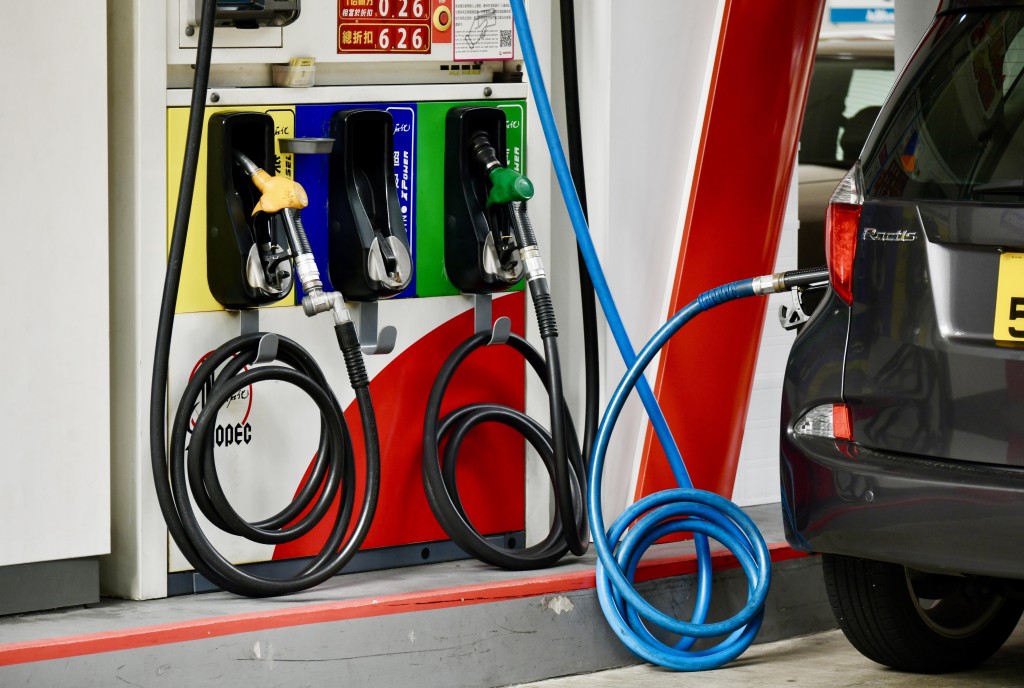
Hong Kong lawmakers and affected sectors are urging local fuel suppliers to disclose more data and calling for government intervention as oil prices surge amid tensions in the Middle East.
The sharp rise has hit not only car owners but also transport, delivery, and consumer goods sectors, with logistics costs driving up everyday prices.
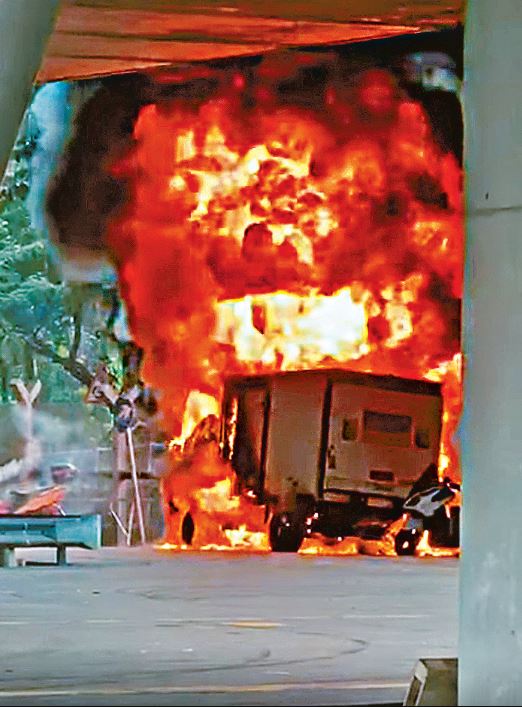
Illegal fueling stations remain a persistent danger, highlighted by Tuesday’s Kwai Chung truck fire that authorities suspect was linked to a mobile fueling operation.
The city’s gasoline has long been among the most expensive worldwide, with premium unleaded petrol retailing at HK$32.89 per liter before discounts. Even after deductions, prices range from HK$23 to HK$31, far above neighboring regions.
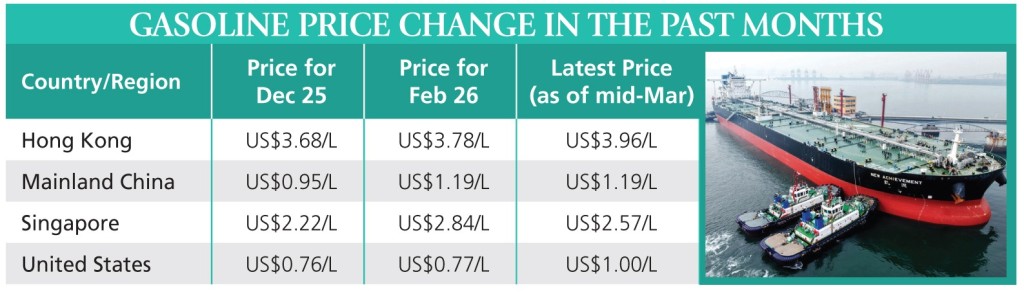
Industry figures point to land costs and fuel taxes as part of the burden, but critics say the deeper issue lies in the lack of transparency from oil companies.
Their refusal to reveal operating costs has fueled suspicions of price collusion, especially as prices often rise quickly but fall slowly.
Demand has further weakened as electric vehicles now account for seven in 10 new registrations, shifting fixed costs onto fewer consumers.
Energy Advisory Committee chairman Simon Wong Kit-lung criticized the “quick to rise, slow to fall” situation and speculated that the oil companies might have anticipated a decline in fuel demand as EV adoption rises and were trying to maximize profits while they could keep prices high amid the Middle East tension.
Lawmakers argue oil firms are exploiting their market power, with Adrian Pedro Ho King-hong warning that “forcing people to buy expensive fuel is no longer a healthy market.”
He urged the government to consider regulating fuel suppliers, noting Macau’s fuel costs are half of Hong Kong’s.
New Territories North West lawmaker Mark Chong Ho-fung said Hong Kong has no refineries and relies on imported refined fuel from mainland China or Singapore, making Singapore’s offshore prices the proper benchmark to determine if oil companies are profiting excessively during the war.
Chong urged the government to demand transparency by requiring fuel suppliers to disclose procurement costs and discounts, so the public can see whether they face genuine difficulties or are focused on reaping profits.
“Transparency is the fairest approach for everyone,” he said.
The Competition Commission has pledged to monitor for collusion, while the Environment and Ecology Bureau will press oil companies to improve transparency.
Chief Executive John Lee Ka-chiu said the government has been closely monitoring changes and acting against unfair competition or price collusion, while authorities have reached out to power companies and fuel suppliers to ensure stable supplies.
Rising oil prices driven by tensions in the Middle East are beginning to ripple through Hong Kong’s consumer market, with food and daily necessities expected to see broad price increases in the coming weeks.
Kenneth Lee Fung-nin, owner of local food supplier Tung Tai Hong, anticipated food prices to increase in about a month.
“Most goods in Hong Kong rely on imports. No product can remain unaffected,” he explained, noting that while costs are climbing, supply shortages are not yet an issue.
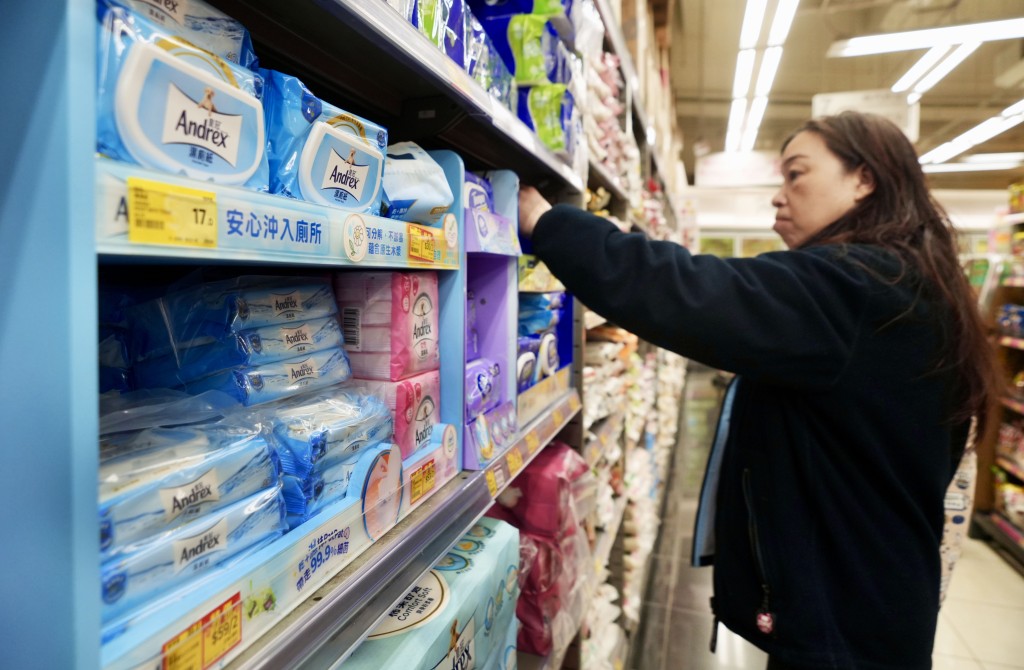
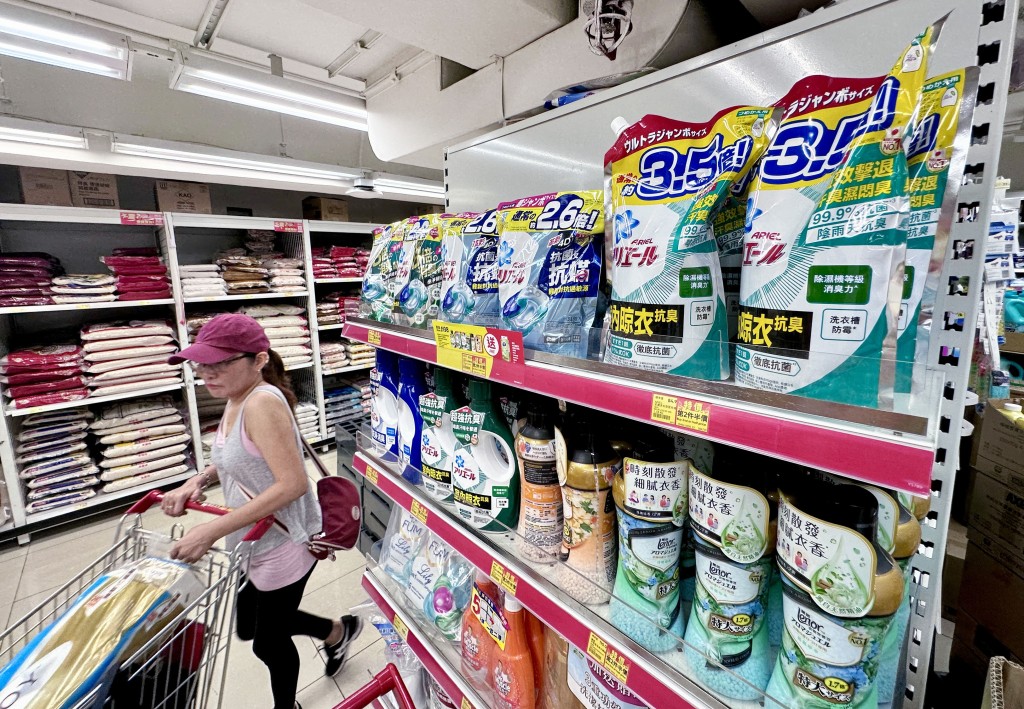
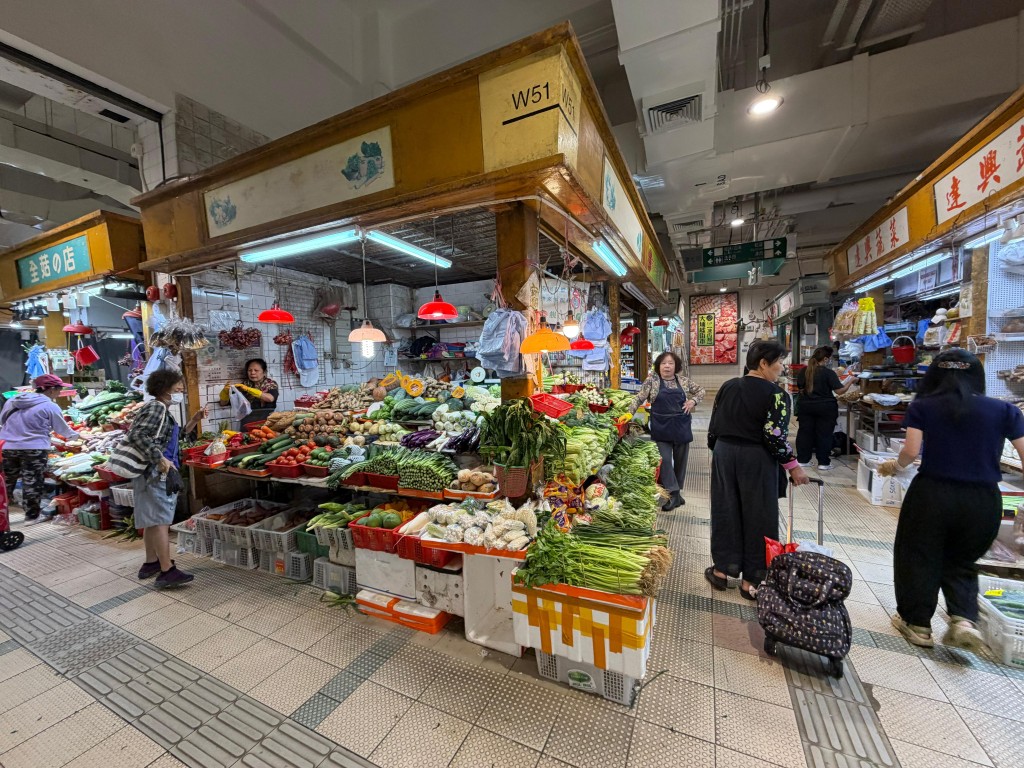
Lee said that some of his company’s products have already seen price increases, including one type of rice and certain canned goods, with hikes ranging from about 5 to 10 percent.
He explained that these adjustments remain limited and product-specific for now, not affecting all items in the same category. However, he emphasized that every product carries the potential for higher prices, with broader hikes likely to follow.
Catering sector lawmaker Jonathan Leung Chun acknowledged that rising oil prices have a direct impact on transport costs. He suggested that if the surge proves temporary, businesses are likely to absorb the impact themselves. However, if high oil prices persist for more than six months, the industry may struggle to bear the burden, resulting in significant price increases.
Leung emphasized that competition within the sector is currently fierce and urged businesses to carefully consider the situation, absorbing part of the rising costs rather than passing them on in full.
“We must understand that it’s no longer possible to simply pass every cost increase on to consumers,” he cautioned.
Lam Chi-chung, general secretary of the Hong Kong Department Stores & Commercial Staff General Union, predicts that retailers will eventually pass rising costs to shoppers, invoking the Chinese idiom “wool comes from the sheep’s back.”
He pointed out that categories such as household goods, toilet paper, and vegetables are already under pressure.
Lam also said the timing of price increases would depend on storage conditions. According to him, some fresh food items have already become more expensive.
For other daily necessities, once existing stock is sold out, new shipments will likely be priced higher, he said.
As for the scale of increases, Lam estimates short-term hikes of 7 to 10 percent. He also warned that if oil prices continue to rise and geopolitical instability persists, adjustments could expand to 15 percent or even reach 20 percent.
Calls urging the government to require oil companies to introduce 95-octane petrol as a cheaper alternative to the current 98-octane fuel are growing, with analysts estimating the lower-grade option could be 10 to 15 percent less expensive.
Ringo Lee Yiu-pui, honorary life president of the Hong Kong, China Automobile Association, said the current rise in oil prices caused by global conflicts presents an opportunity for the government to act. He urged officials to consider introducing 95 petrol, which would ease the burden on drivers.
The Competition Commission had already studied the city’s fuel market in 2017 and recommended reintroducing 95 petrol to provide more affordable options, but no action followed.
Lee dismissed oil companies’ claims that storage space is limited, noting that Hong Kong previously sold both leaded and unleaded petrol simultaneously. He argued that supply from mainland China is not an issue, but rather the oil companies’ reluctance to reduce profits.
Lee also criticized them for cutting discount offers even when pump prices remained unchanged, effectively raising costs for consumers.
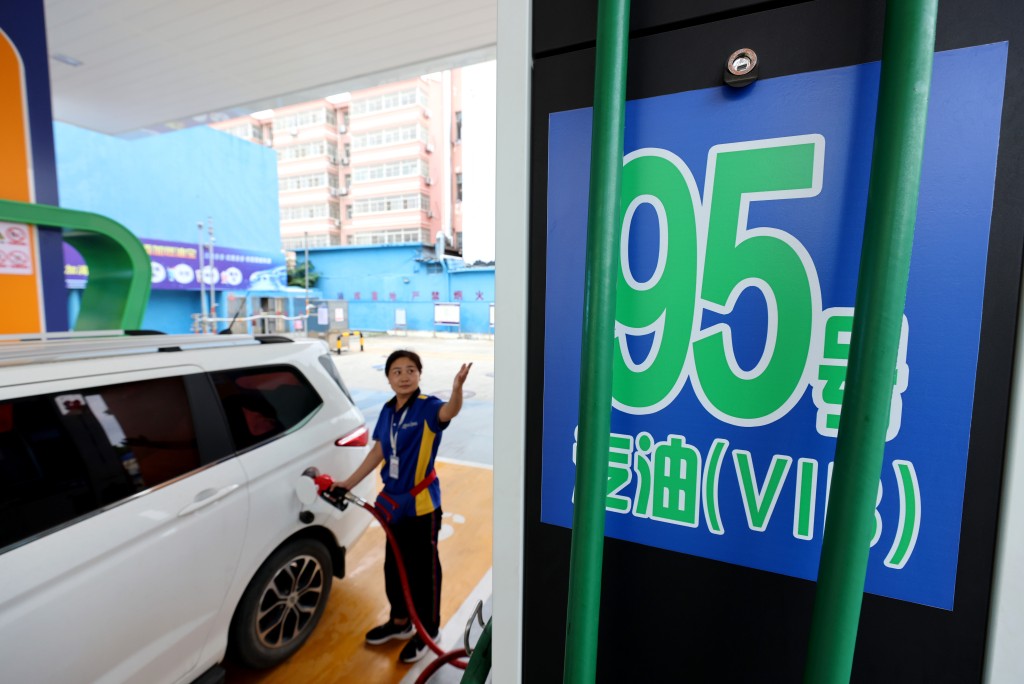
Lawmaker Mark Chong Ho-fung said he recently wrote to the Environment and Ecology Bureau, urging it to require oil companies to supply 95 petrol.
He expressed surprise at oil companies’ claim that selling only 98 petrol reflects customer preference, pointing out that 95 and even 92 petrol are widely available worldwide, including in mainland China. Chong also stressed that Hong Kong drivers should be given the choice of cheaper fuel.
Meanwhile, lawmaker Simon Lee Hoey proposed 11 measures to tackle the current energy crisis. His short-term suggestions include temporarily lowering fuel taxes, offering subsidies to public transport and logistics operators, and waiving tunnel fees for commercial vehicles.
For the medium to long term, Lee called for accelerating the transition from oil to electricity and other new energy sources, repurposing petrol stations into integrated energy supply hubs, and speeding up the rollout of electric vehicles by expanding charging infrastructure across the city.
To address energy supply concerns, South Korea recently set the maximum wholesale price for gasoline at 1,724 won (around HK$9.09) per liter and will adjust the cap every two weeks to reflect changes in global oil prices. It is also preparing to release strategic petroleum reserves.
Japan is also mulling curbing the pump prices at an average of 170 yen (around HK$8.38) per liter nationwide, while it has begun releasing 80 million barrels of oil from its emergency reserves starting this week.
Some European countries, including Hungary, have introduced fuel price caps, while Germany has ordered to limit daily price increases. The Philippines, Thailand, Vietnam and Pakistan are cutting work days or asking the employees to work remotely in order to save fuel.