Read More
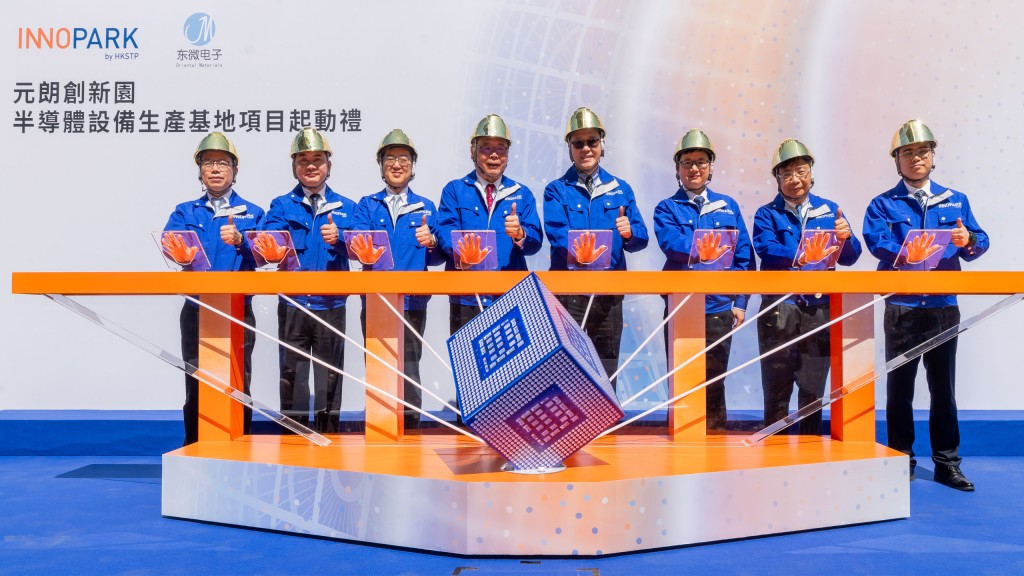
Hong Kong will host its first production base dedicated to front-end semiconductor equipment after Oriental Materials Hong Kong said it would invest more than HK$800 million in a facility at Yuen Long InnoPark, in line with China’s effort to develop domestic chip-making tools.
ADVERTISEMENT
SCROLL TO CONTINUE WITH CONTENT
The project, backed by up to HK$200 million in government support under the New Industrialisation Acceleration Scheme, will produce equipment used in chip fabrication including furnace systems, etching equipment and chemical vapour deposition systems.
Construction is expected to begin by the end of March. The plant is planned to be completed by the end of the year, with equipment installation scheduled for early 2027. After several months of commissioning, formal production could begin around June 2027.
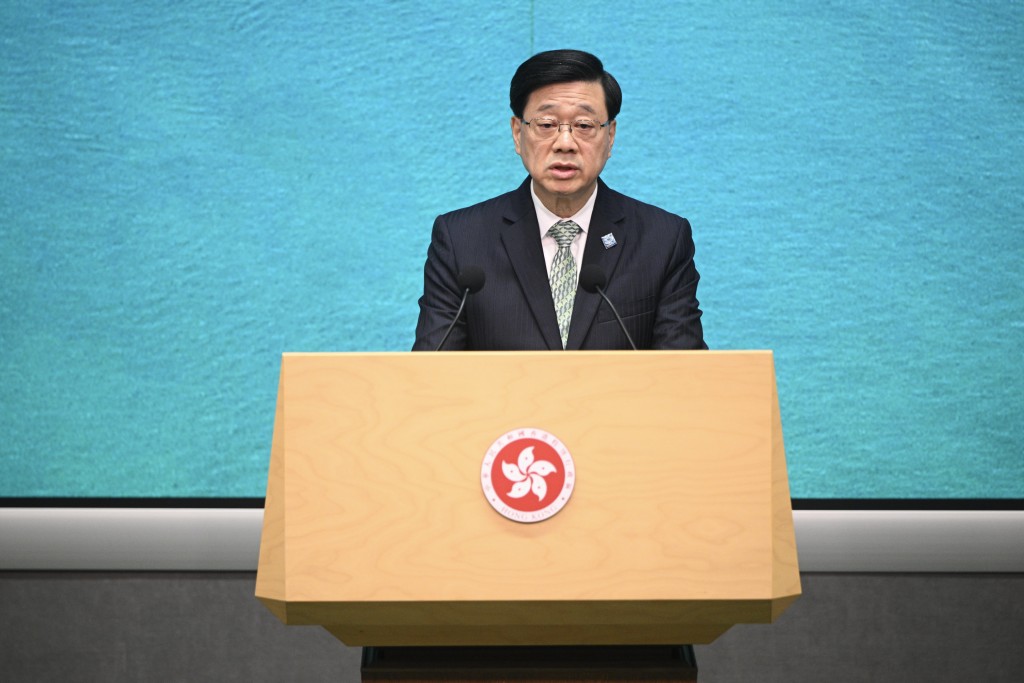
Sun Dong, Secretary for Innovation, Technology and Industry, said the project reflects efforts to move research into industrial production in Hong Kong’s technology sector.
“The national 15th Five-Year Plan calls for deeper integration between technological innovation and industrial development, and for a modern industrial system built around advanced manufacturing,” he said. “The SAR government has been supporting the semiconductor and microelectronics sectors and is building a local ecosystem for the industry.”
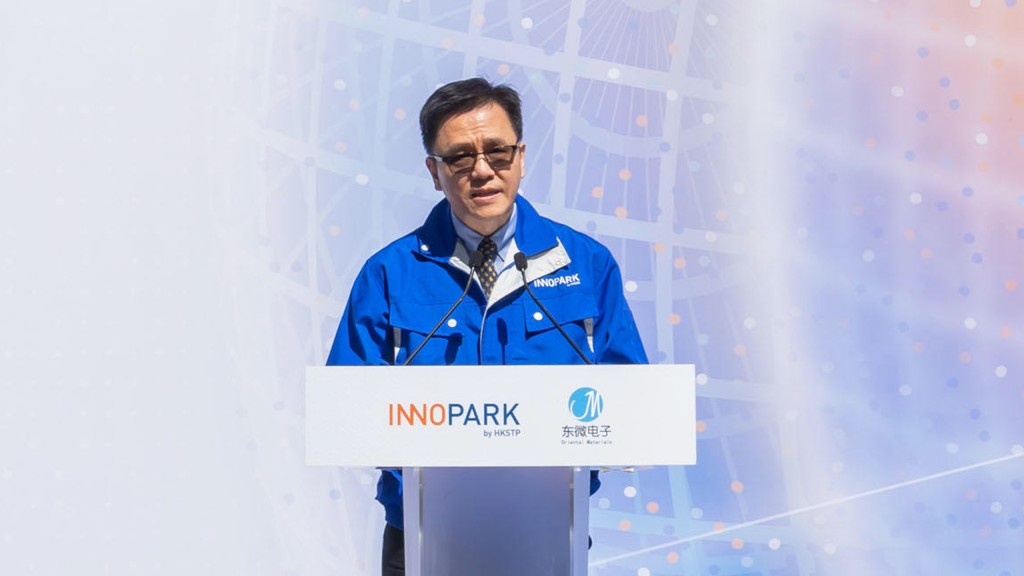
According to Sun Dong, Secretary for Innovation, Technology and Industry, the semiconductor equipment manufacturing base at Yuen Long InnoPark has secured about HK$200mn in support under the New Industrialisation Acceleration Scheme.
Oriental Materials, affiliated with Henan Oriental Materials Co., focuses on front-end semiconductor equipment, components and materials. The company said the Hong Kong facility would introduce production lines for semiconductor equipment manufacturing as well as pilot testing and validation.
Sun said the development had secured support under the government’s HK$10 billion industrial funding scheme aimed at attracting companies to establish production facilities in the city.
“The total investment of this project is about HK$800 million, and it has received support from the New Industrialisation Acceleration Scheme of around HK$200 million,” he said.
According to the Innovation, Technology and Industry Bureau, more than 600 companies have been introduced or supported in Hong Kong through government innovation programmes in recent years.
Sun said further applications had been received under the acceleration scheme, with four projects approved so far representing combined investment of HK$2.5 billion. Industry capital accounts for more than 70 per cent of the funding involved.
The launch of the manufacturing base comes as the government seeks to strengthen the microelectronics cluster within the science and technology parks network.
More than 280 companies connected with microelectronics already operate across Hong Kong Science and Technology Parks Corporation (HKSTP) sites, including research labs, start-ups and established tech firms.
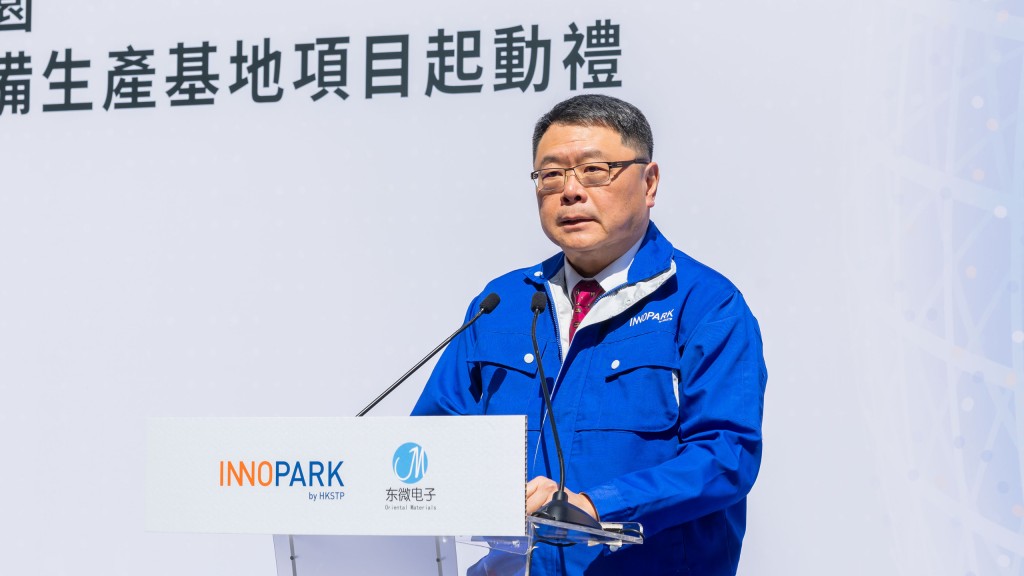
Dr Sunny Chai, HKSTP chairman, believes collaboration between government, universities and industry will help bring hard-technology research into manufacturing and market deployment.
Dr Sunny Chai, chairman of HKSTP, said the arrival of Oriental Materials would contribute to building a value chain integrating research, pilot testing and manufacturing.
“As the nation begins the new chapter of the 15th Five-Year Plan and supports Hong Kong’s development as an international innovation and technology centre, the city faces an opportunity to grow its microelectronics industry,” he said.
“HKSTP will continue working with government, universities and industry partners so that hard-technology achievements researched, tested and manufactured in Hong Kong can reach the market.”
Oriental Materials chairman Wang Yongchao said the company chose Hong Kong after considering its research capabilities, financial sector and international connectivity.
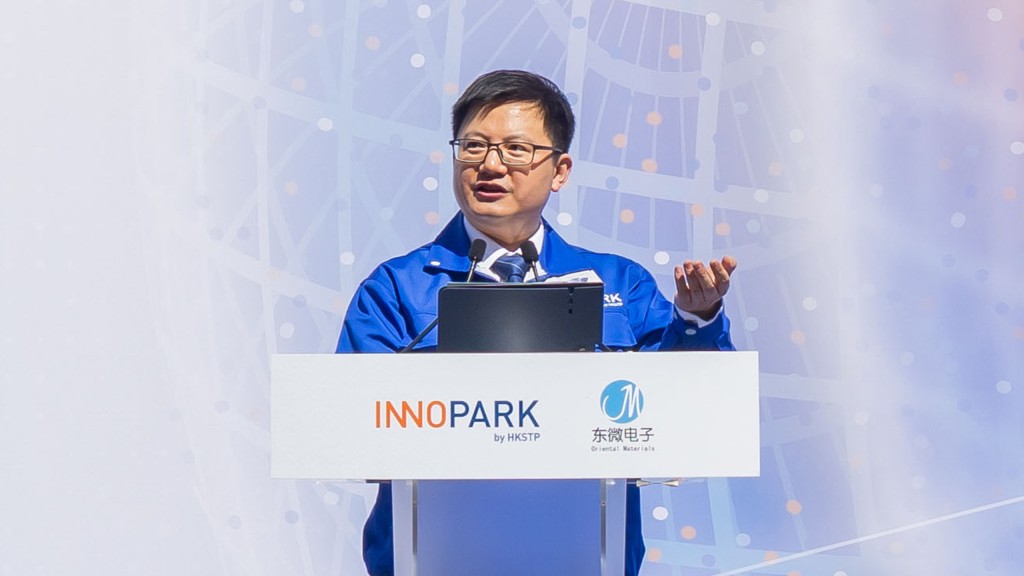
Wang Yongchao, chairman of Henan Oriental Materials Co., says Hong Kong offers strong research capabilities, international connectivity and a capital market that supports tech firms expanding into global markets.
“Hong Kong offers a world-class innovation and technology ecosystem, strong research infrastructure and international advantages,” he said. “As a super connector between the mainland and the world, it provides an ideal platform for us to expand globally.”
Wang said the plant would serve both international and mainland markets.
“Our products will target global markets,” he said, adding that customers were expected across Southeast Asia, Central Asia as well as the Chinese mainland.
Recruitment plans will focus on specialised talent, with more than 100 senior professionals expected to be hired in Hong Kong when the plant reaches full operation. Additional technicians and engineering staff are also likely to be required.
Wang said universities in Hong Kong already provide a strong pool of talent for the semiconductor sector and that the company was also exploring the establishment of a design office in the Northern Metropolis.