Read More


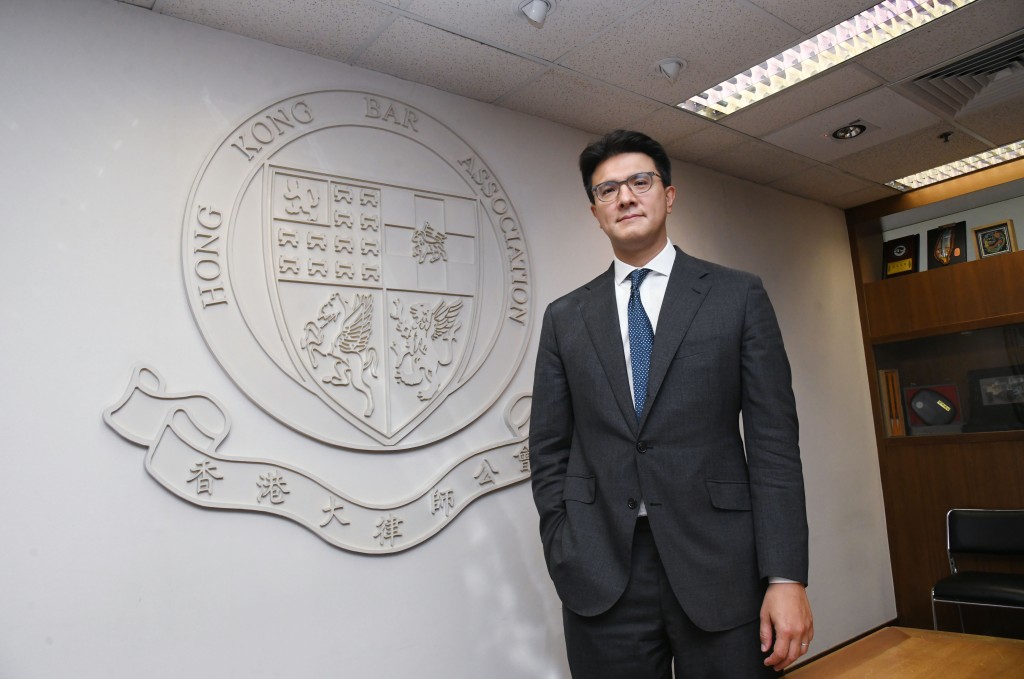












The Hong Kong Bar Association has issued new guidelines regulating barristers' use of social media for practice promotion, prohibiting misleading content, comparisons with peers, and claims about earnings or "success rates."
In a circular to all members on Thursday, the Bar Association said the "Guide Concerning Practice Promotion" was necessary as technological advances have diversified how barristers promote themselves, with platforms like LinkedIn, Facebook, and Xiaohongshu becoming increasingly common for professional networking and publicity. Any online content, regardless of intended audience, could be widely disseminated and linked to a barrister's professional identity, potentially affecting public confidence and the judiciary's image.
The guide emphasizes that social media use for practice promotion must comply with Chapter 8 of the Bar Code of Conduct. It prohibits inaccurate, unverifiable, or misleading statements, comparisons with or criticisms of other barristers, solicitors, or professionals, and claims about personal earnings or "success rates." Barristers must protect client confidentiality, requiring express written consent before disclosing any case information that is not already publicly available. The guide also requires respect for court attire solemnity, generally banning the publication of photos in wigs and gowns for promotion.
Regarding honorifics and qualifications, the guide clarifies that Juris Doctor holders may only use the initials "JD" and not the title "Doctor." Foreign qualifications must not be presented to imply seniority at the Hong Kong Bar. Barristers who took silk in Hong Kong before July 1, 1997 are reminded not to use "QC" in court appearances or use "KC" under any circumstances.
Bar Association Honorary Secretary Martin Wong said the guide aims to help members uphold the highest professional standards while using new platforms, maintaining public confidence in the justice system. It serves as a practical reference, not a substitute for the Code of Conduct.