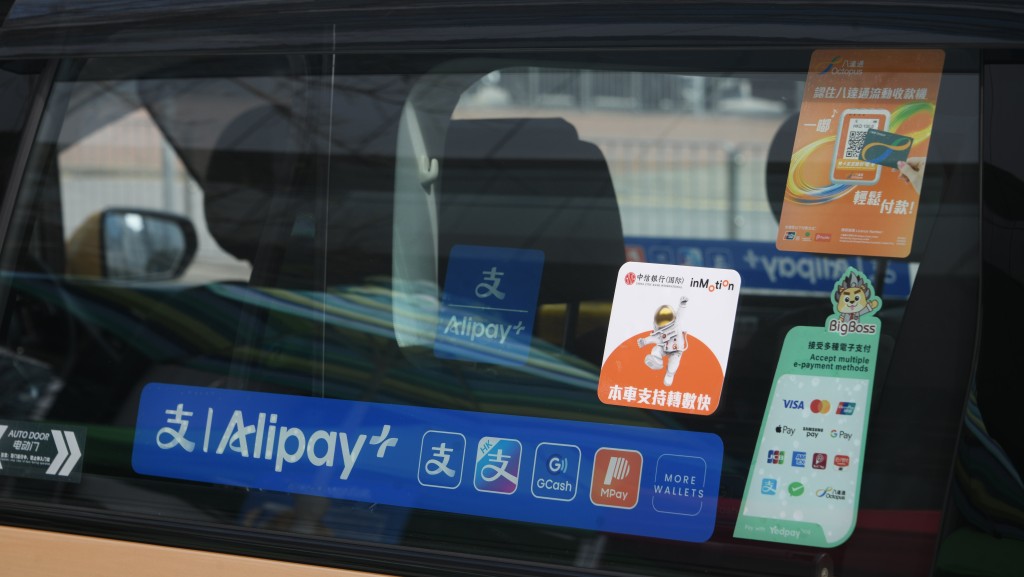
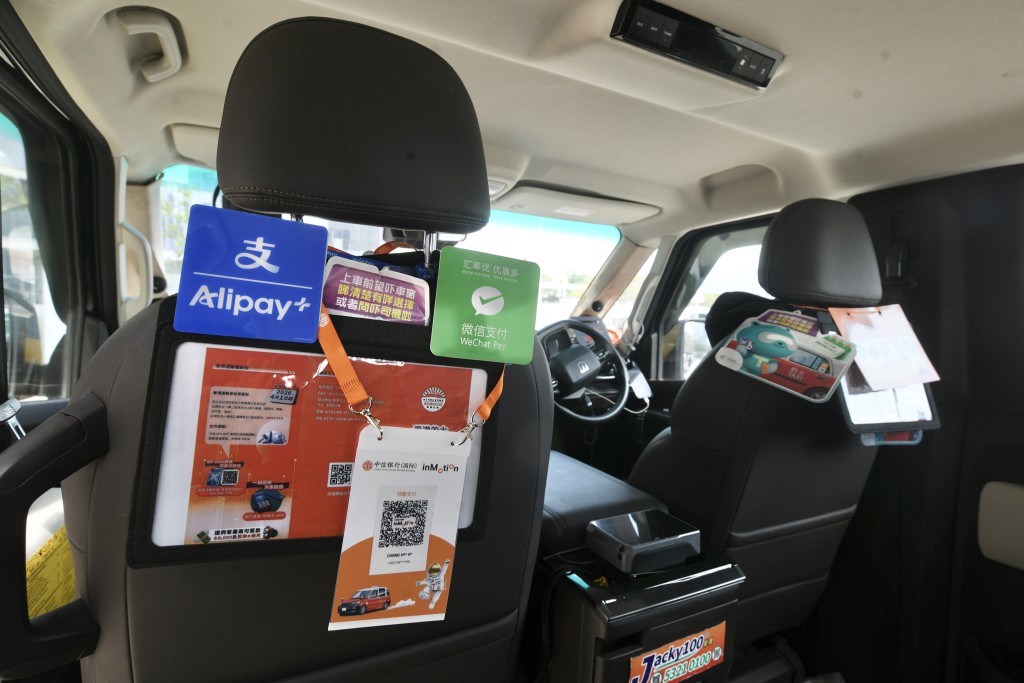
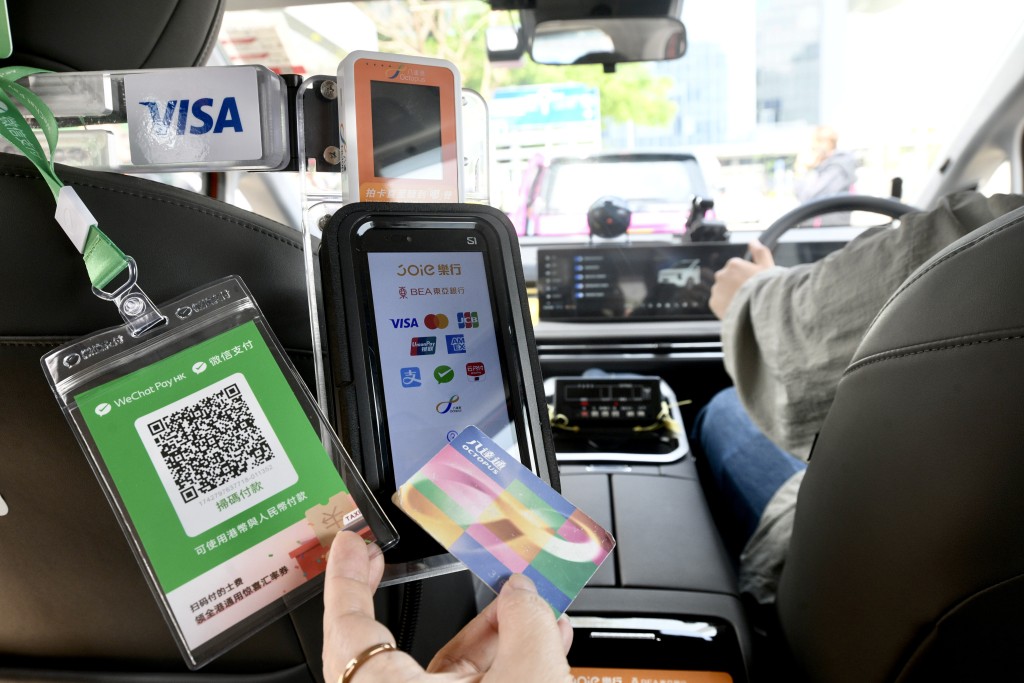
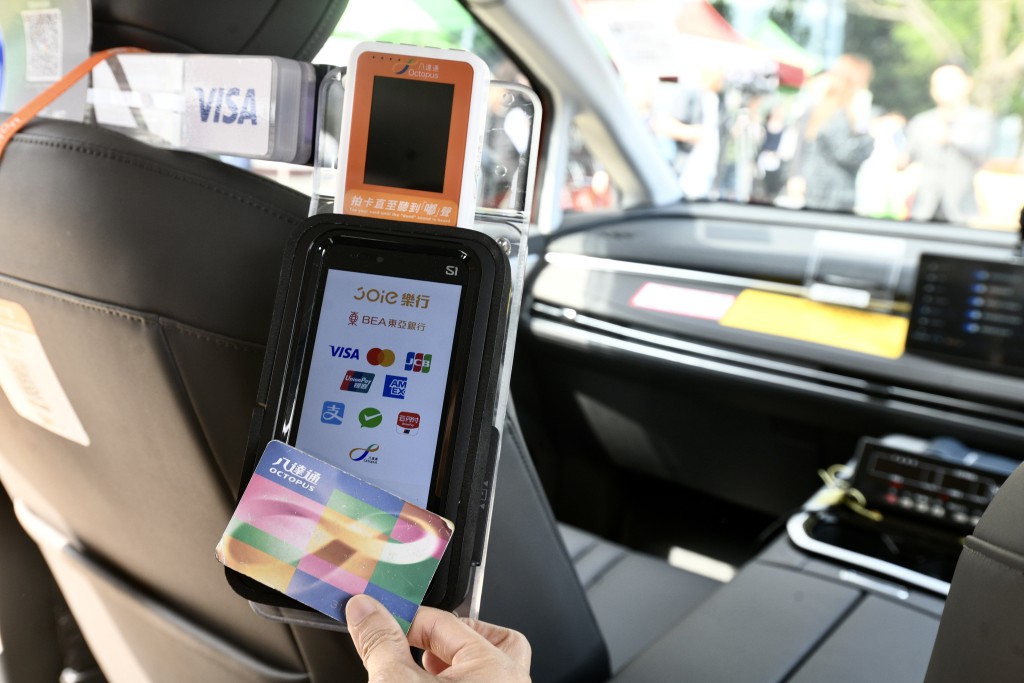
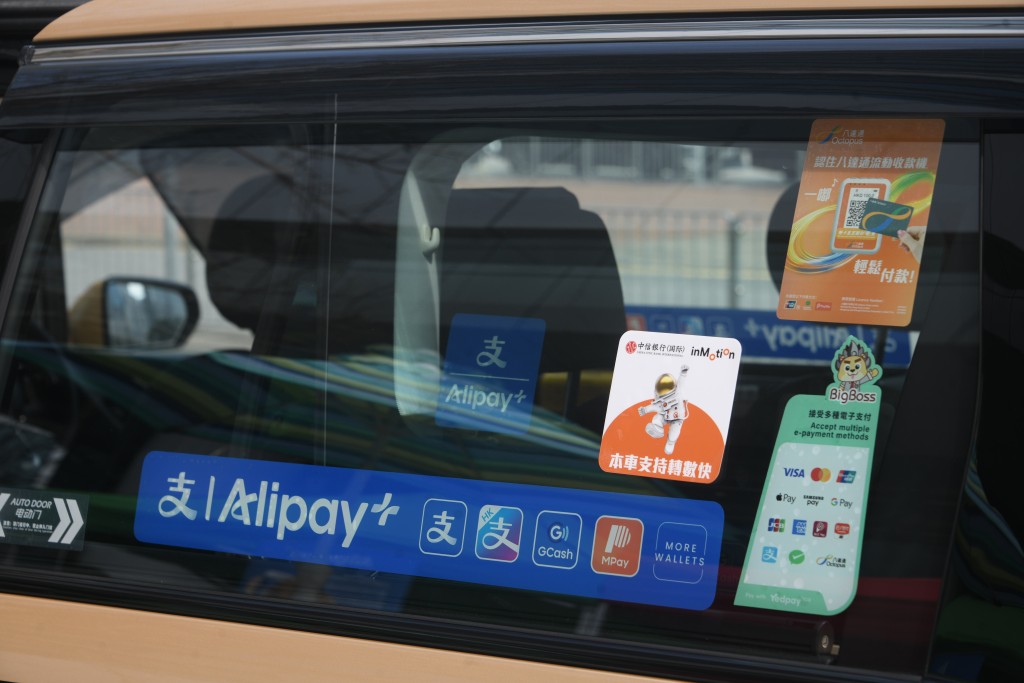
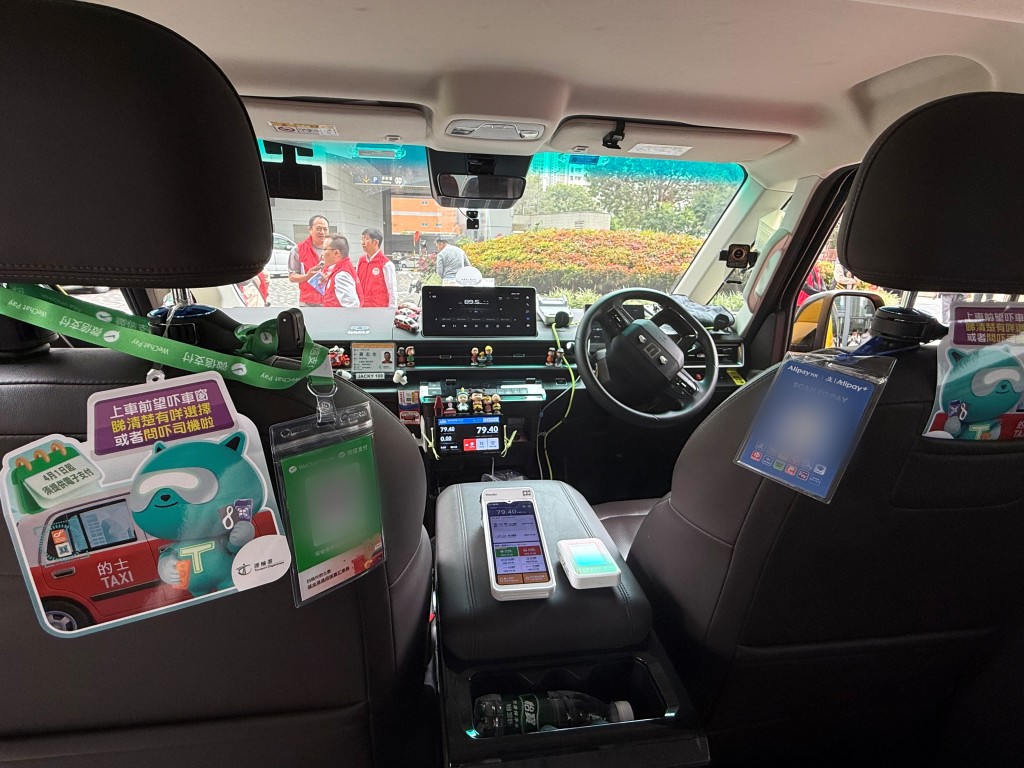
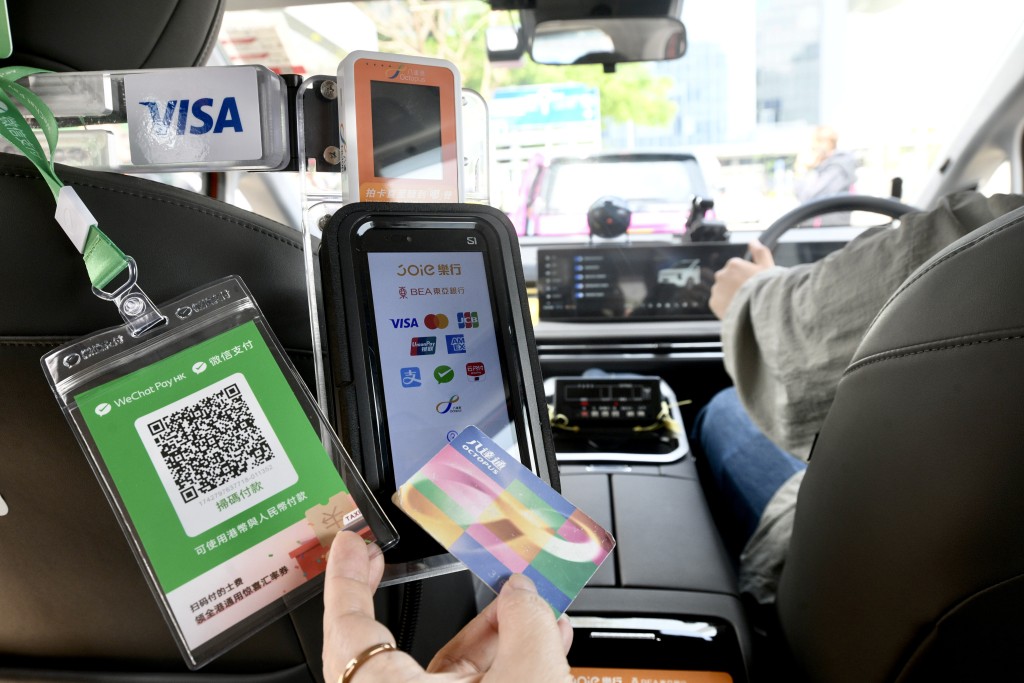
About one-third of Hong Kong taxis, including all taxi fleets, have installed integrated payment terminals ahead of a new regulation requiring electronic payment in taxis that will take effect next month, the Transport Department said on Monday.
ADVERTISEMENT
SCROLL TO CONTINUE WITH CONTENT
Starting April 1, all taxi drivers must provide at least two electronic payment methods, including one QR-code payment option and one non-QR-code method.
Speaking at a launch ceremony organized by the Hong Kong Taxi Council, Assistant Commissioner for Transport Louisa Fung Wai-kwan said the government will provide on-site support for drivers to install and register e-payment systems. Three dedicated service counters will operate at government car parks from March 7 to April 4.
Fung said the department has stepped up publicity and conducted workshops over the past few months, with more than 800 drivers registering within days. The registration process takes about 15 minutes to complete.
She added that transaction and bank transfer fees have been waived since 2018 and there are currently no plans to introduce charges. She urged drivers who have not yet installed e-payment systems to register as soon as possible, saying the policy will help improve the image of the taxi industry.
Hong Kong Taxi Council chairman Ryan Wong Cheuk-pong welcomed the new regulation, saying it could help modernize the industry and promote smart mobility. He said electronic payments are convenient for both the public and tourists, save time during transactions, and reduce the risk of theft, creating a win-win situation for passengers and drivers.
With payment platforms waiving fees and offering incentives, Wong said he expects more drivers to complete registration in the coming weeks.
+2
Octopus Cards Limited said it will continue waiving fees for taxi drivers using the Octopus App for Business. More than 42,000 taxi drivers have already registered or installed Octopus Mobile POS, representing a year-on-year increase of more than 40 percent.
The company said an average of 2,000 drivers have opened Octopus business accounts each month this year, including more than 1,200 registrations recorded in the past week.
Since July 2024, taxi drivers have also been able to top up Octopus cards using fares received from passengers. The average monthly top-up volume has risen 3.3 times, while daily top-up transactions have more than tripled.
A taxi driver Cheng, said his business has improved since installing an integrated payment terminal, as many mainland tourists prefer taxis that accept electronic payment.
He said the system is simple to operate, even for older drivers, and the registration process was straightforward, adding that he received the free terminal within a week.
Although only about one-third of taxis currently offer e-payment options, Cheng believes the new regulation will help expand the customer base over time.
A taxi fleet manager Chan, said their integrated payment machines have so far operated smoothly without network failures or system crashes. He added that e-payment helps avoid disputes over insufficient cash fares and that passengers generally find Octopus payment convenient.
Another taxi fleet driver Leung, meanwhile, said the function allowing drivers to top up Octopus cards with fares received is particularly useful.
Both Chan and Leung agreed that wider adoption of electronic payment would help improve the competitiveness of Hong Kong’s taxi industry.