Read More
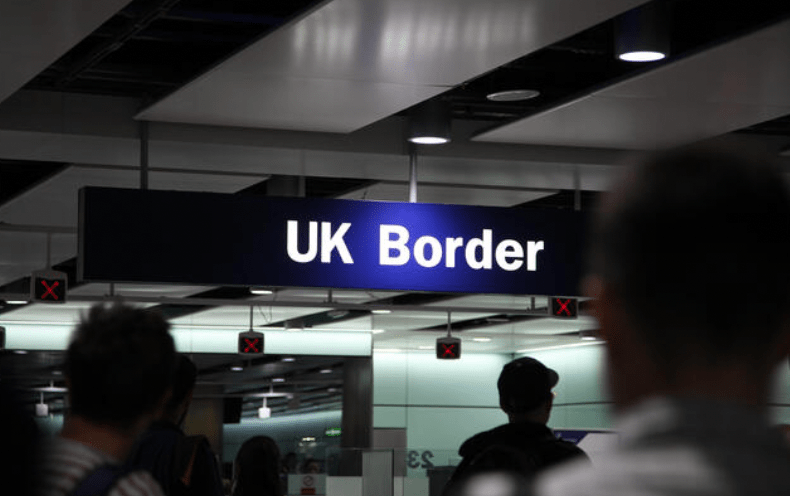
The United Kingdom will raise the English language requirement for permanent residency from B1 to B2 under new immigration rule changes announced by the Home Office, with the new standard set to take effect on March 26, 2027.
ADVERTISEMENT
SCROLL TO CONTINUE WITH CONTENT
The change was outlined in the latest Statement of Changes in Immigration Rules released by the UK government. Under the revised requirement, applicants seeking indefinite leave to remain will need to demonstrate a higher level of English proficiency than is currently required.
According to the document, the new requirement will apply to people who are already living in the UK and intend to apply for permanent residency in the future. Authorities said the rule will only come into force in about a year to allow those affected sufficient time to prepare.
At present, settlement applicants must demonstrate English proficiency at the B1 level under the Common European Framework of Reference for Languages. The new B2 requirement represents a higher standard, broadly equivalent to A-Level or senior secondary school level in the UK, while B1 is generally considered comparable to GCSE level.
Earlier reports that the UK government was considering raising both English proficiency and income requirements for settlement had sparked concern among some Hongkongers who have relocated to Britain.
However, the announcement made on March 5 did not specifically mention whether holders of the British National (Overseas) visa would be subject to different English language requirements.
The accompanying explanatory memorandum only referred to a provision allowing individuals whose parents hold BNO status — but who were under the age of 18 at the time of Hong Kong’s 1997 handover — to apply independently for a BNO visa as adults.