Read More






Night Recap - July 27, 2026
5 hours ago



Ocean Park cable car sends passengers on swing as typhoon winds blow
26-07-2026 18:05 HKT

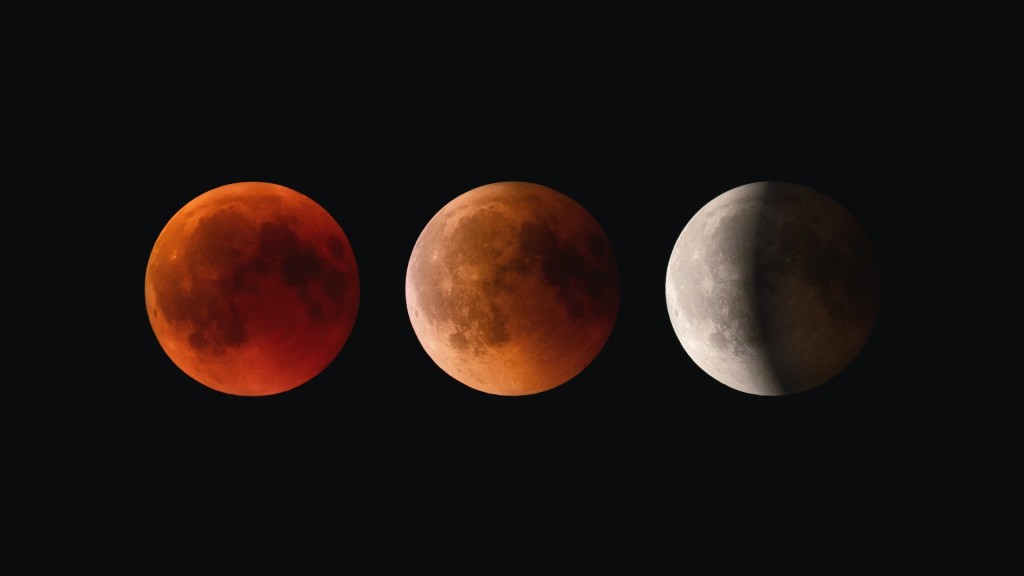
Hong Kong’s night sky will take on a rare crimson glow on March 3 as a total lunar eclipse — often known as a “blood moon” — becomes visible across the city.
The moon will rise at 6.22pm, though part of it will already have entered Earth’s umbra before appearing above the horizon. The total eclipse phase, when the moon is completely immersed in Earth’s shadow and appears deep red, will begin at 7.04pm and last for about 59 minutes. The partial eclipse phase will end at 9.18pm.
For skywatchers who miss the spectacle, the next total lunar eclipse visible in Hong Kong will not occur until January 1, 2029.
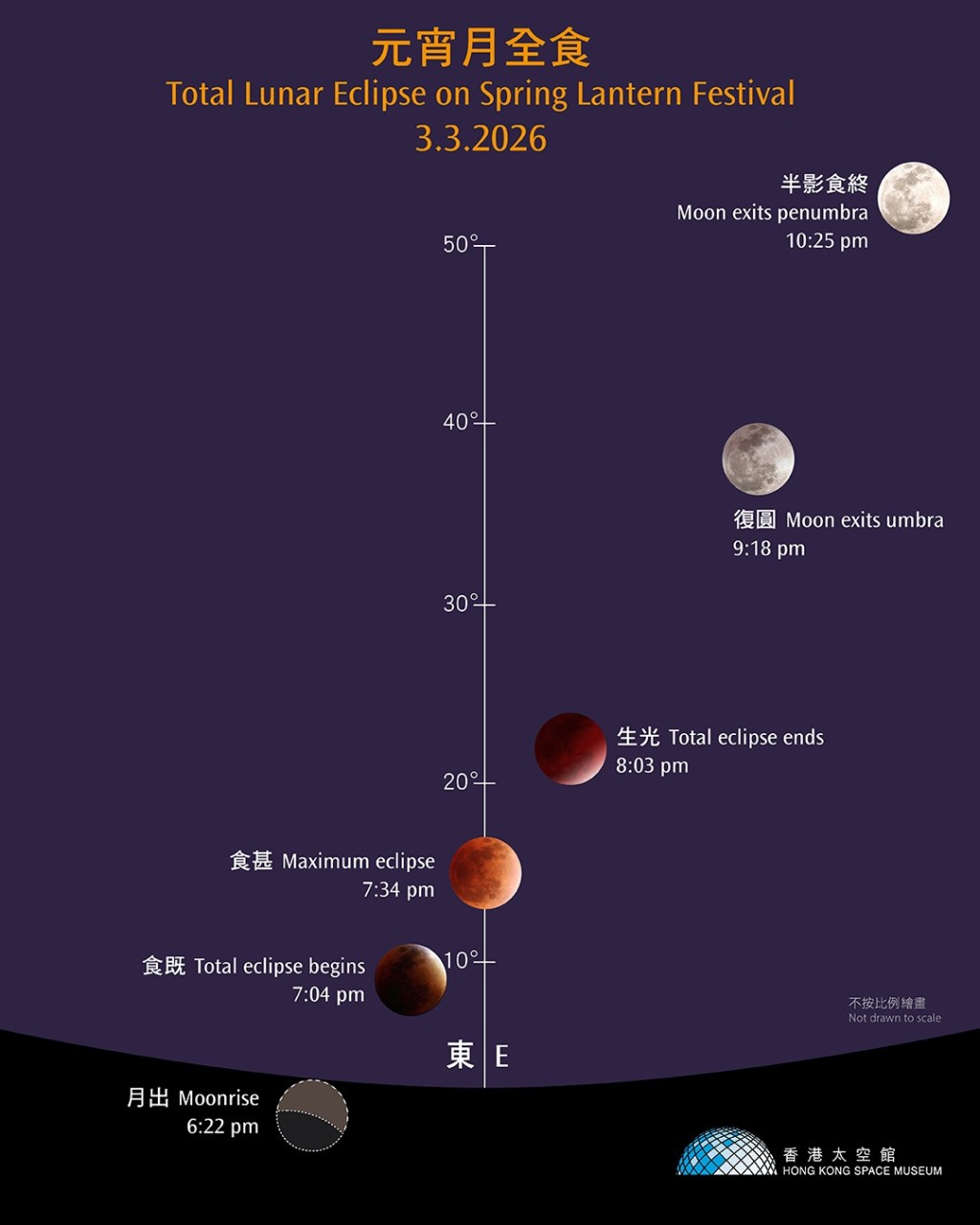
The Hong Kong Space Museum will provide an online livestream of the event, allowing residents to follow the celestial display even if clouds obscure the view. (Link here)
Unlike solar eclipses, a lunar eclipse can be safely observed with the naked eye. Still, many residents may wish to capture the moment with their phones or cameras. The Space Museum has offered simple tips for photographing the moon.
Stability is key. Using a smartphone tripod can prevent blurry images caused by hand movement. A telephoto add-on lens can help enhance magnification and capture clearer details of the moon’s surface. Photography apps that allow manual adjustment of shutter speed and exposure can also improve results.
To avoid shaking the phone when pressing the shutter, a remote shutter release is recommended. For those with access to a telescope, aligning a smartphone lens with the eyepiece can provide a closer, more dramatic image.
Weather conditions will play a decisive role, as cloud cover may obstruct visibility. The museum also advises shooting in RAW format, if available, to allow for better post-processing. Digital zoom should be avoided, as it reduces image quality by cropping and enlarging the image artificially.
marco.lam@singtaonewscorp.com