





Read More







Morning Recap - October 15, 2026
8 hours ago

Reforms demanded to fix Hong Kong's severely oversubscribed public gyms
14-10-2026 11:45 HKT


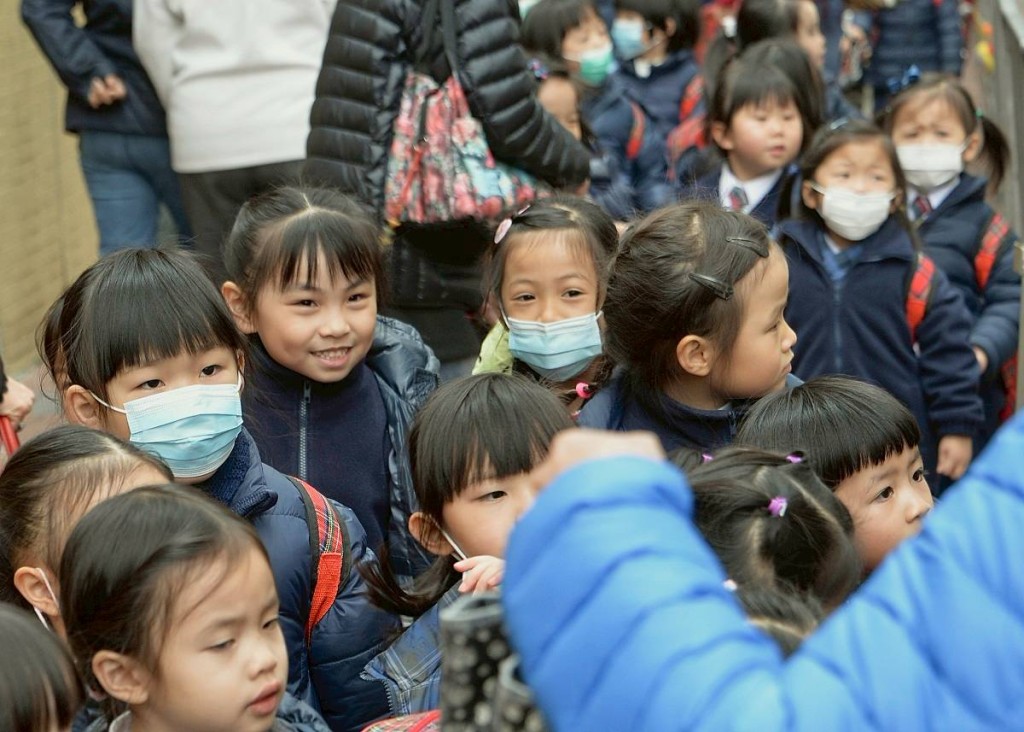
Flu infections in Hong Kong could rebound in the coming weeks as colder weather sets in and students return to school after the holidays, prompting renewed calls for early vaccination, particularly for infants and young children, a leading infectious disease expert said on Monday.
Lau Yu-lung, chairman of the Scientific Committee on Vaccine Preventable Diseases and professor of paediatrics and adolescent medicine at the University of Hong Kong, said it remains uncertain whether the current summer flu season will overlap with the upcoming winter flu season, describing the situation as unpredictable.

He stressed that preventive measures, such as getting vaccinated early, remain crucial.
Lau told a radio program this morning that colder temperatures could increase flu virus activity, while the resumption of classes after the holiday break may further drive transmission.
He advised the public to consider wearing masks when going out and urged schools to strengthen hygiene measures.
The Centre for Health Protection has said the summer flu season, which began in early September last year, may come to an end within the next one to two weeks. Lau noted that the 2025 summer flu season started earlier than usual, peaking in October, with more than 1,200 reported cases — significantly higher than in 2023 and 2024. Many infections involved outbreaks in schools and residential care homes.
Lau said the early onset of the summer flu season placed additional strain on the healthcare system, with hospital admissions among primary school students exceeding those among people aged 65 and above. He added that vaccination coverage remains particularly low among children aged six months to two years, a group at higher risk of complications.
While some have questioned whether flu vaccination campaigns could be launched earlier, Lau said such arrangements are constrained by factors including the World Health Organization’s release of updated vaccine formulations and procurement logistics, making early deployment difficult.
Lau urged high-risk groups to receive vaccinations as soon as possible to prevent severe illness and deaths. He added that people who have not yet been vaccinated can still receive the summer flu vaccine, which would continue to offer protection against severe disease during the upcoming winter flu season.
Although Lau expects the current summer flu wave to subside within about a week, he cautioned that flu activity could rise again as temperatures drop further.
With winter still six to seven weeks away, he said colder weather combined with increased social interaction, such as school attendance, could create conditions for renewed transmission.
Despite the uncertainty over whether the summer and winter flu peaks will overlap, Lau reiterated that early vaccination remains the most effective safeguard.