Read More
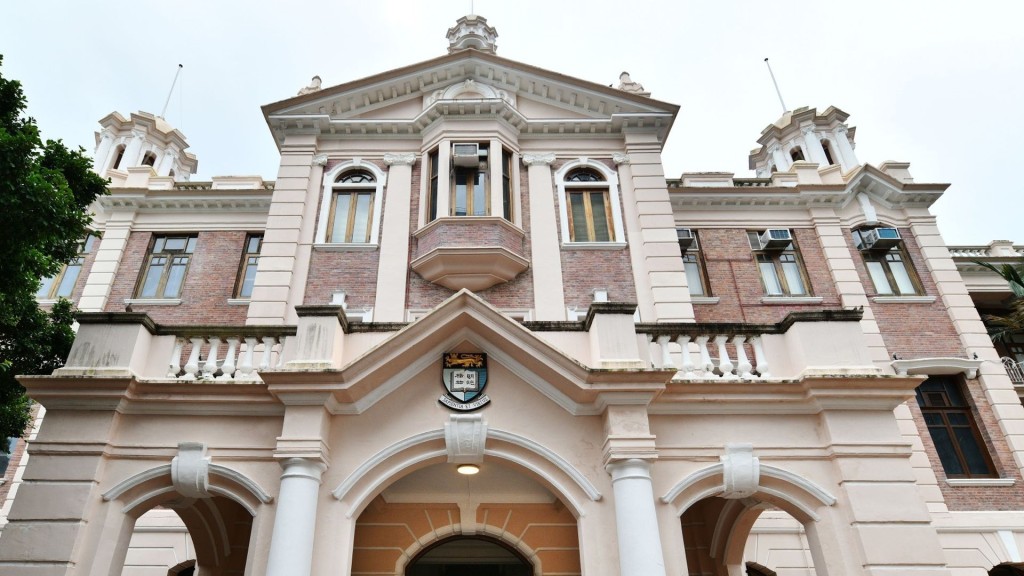
Researchers at the University of Hong Kong have developed a novel genome tracking method to map the spread of antibiotic-resistant bacteria in urban waterways.
ADVERTISEMENT
SCROLL TO CONTINUE WITH CONTENT
Led by Professor Zhang Tong from the Department of Civil Engineering, the team studied Escherichia coli commonly found in Hong Kong's rivers and sewage that can develop antibiotic resistance. The method enables precise tracking of resistant bacteria and genes across different local environments.
Funded by a University Grants Committee theme-based research project, the team analyzed 1,016 E. coli samples collected over one year using nanopore long-read sequencing technology. They tracked bacterial strains and plasmids carrying resistance genes to understand transmission between humans, animals and the environment.
The study found high genetic similarity among bacteria from different sources, with 142 identical strains present in both humans and environmental water. Researchers identified 195 plasmids existing simultaneously in humans, animals and the environment, showing resistance genes can spread via mobile DNA, with experiments confirming plasmid transfer between bacteria.
Published in the journal Nature Communications, first author Xu Xiaoqing said the research helps explain resistance transmission pathways by quantifying ecological connectivity between humans, animals and water bodies, supporting more integrated monitoring and intervention strategies.
The team advocates establishing a comprehensive surveillance system integrating sewage, environmental and clinical data to help policymakers issue early warnings and prioritize high-risk plasmids and strains.