Read More


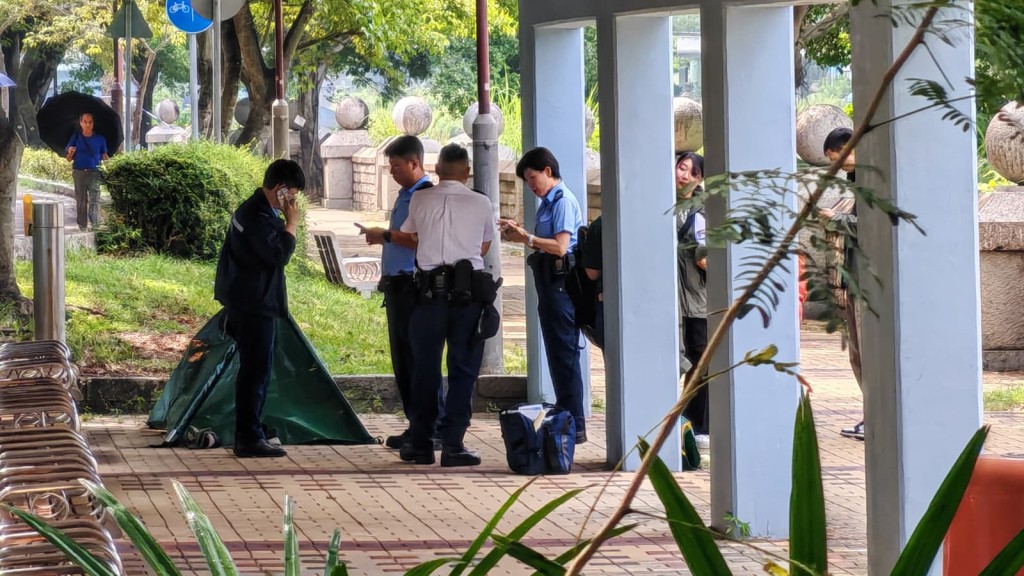
Man found dead in river in Tin Shui Wai
2 hours ago

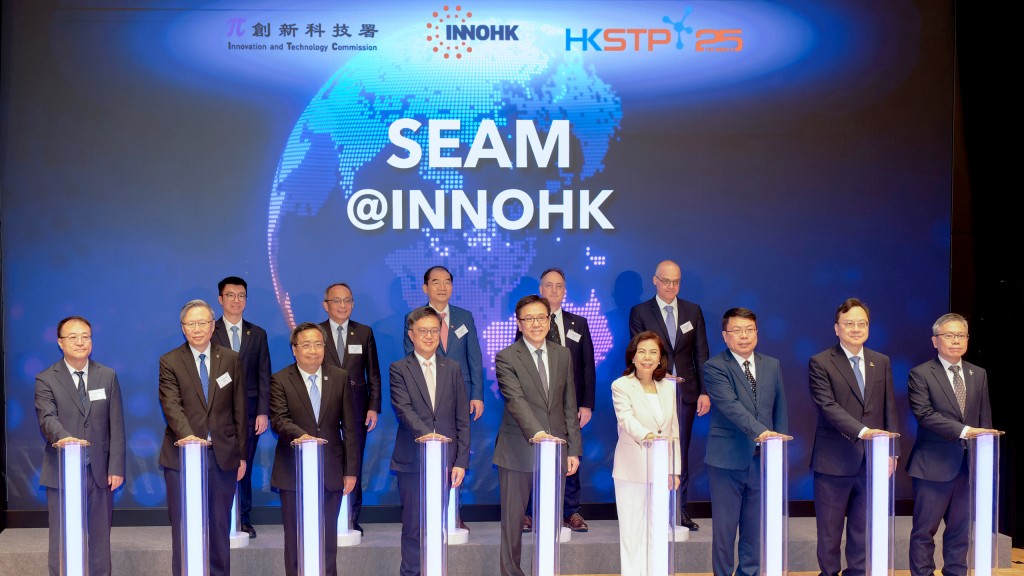

Morning Recap - September 23, 2026
8 hours ago
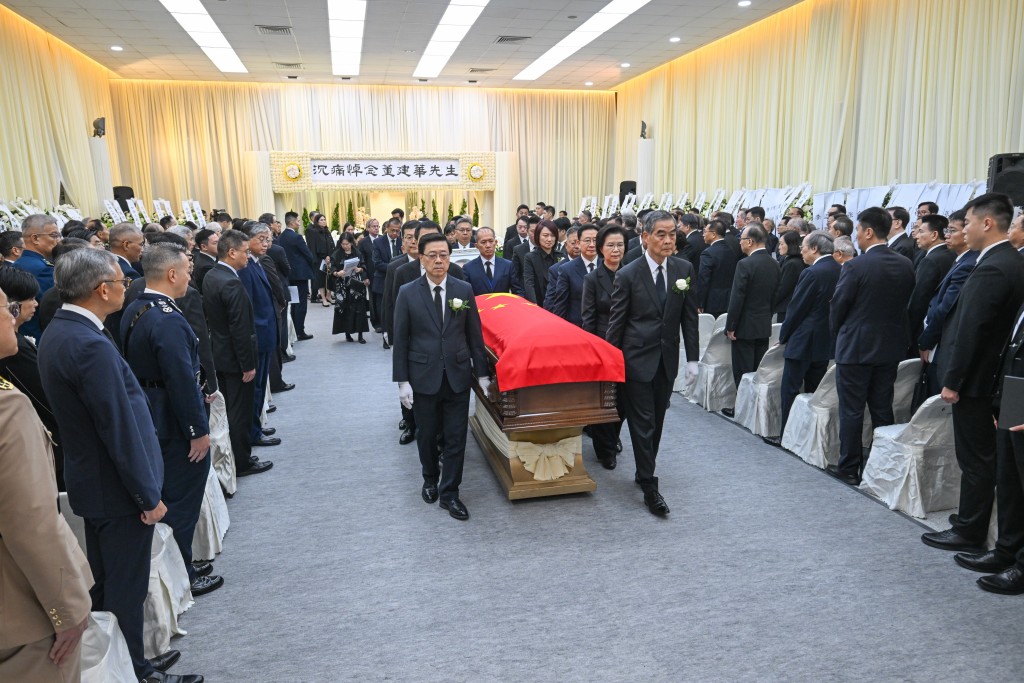
John Lee and CY Leung lead pallbearers for Tung Chee-hwa
20-09-2026 15:54 HKT


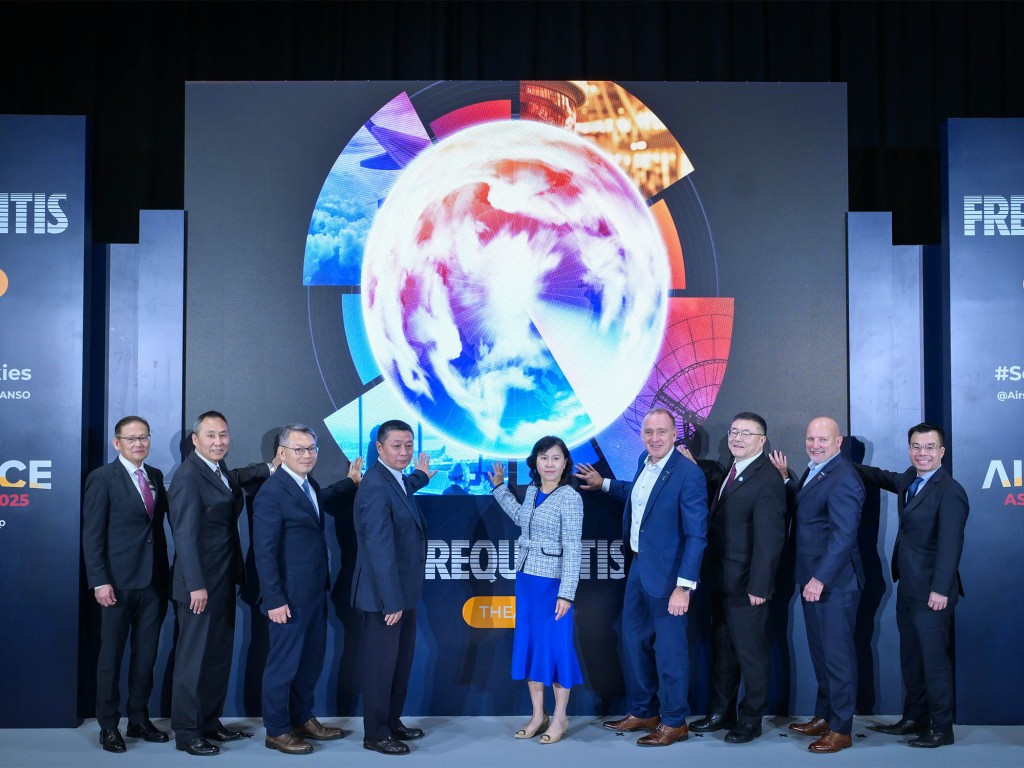
Hong Kong has wrapped up a landmark week of international aviation diplomacy and technology showcases, hosting both the CANSO Asia Pacific Conference 2025 and the inaugural Airspace Asia Pacific 2025 exhibition and summit, drawing more than 2,000 delegates, regulators, air-traffic chiefs and innovators from across the globe to chart the future of safer, greener and smarter skies.
The three-day Airspace Asia Pacific 2025, which closed Wednesday at AsiaWorld-Expo under the banner “Shaping the Future of Asia Pacific’s Skies,” marked the first time the prestigious Airspace World series was held in the region.
Over 70 exhibitors unveiled the latest in digital air-traffic control towers, artificial-intelligence flight planning, low-altitude drone corridors, sustainable aviation fuels and climate-resilient meteorological systems.
Keynote sessions tackled everything from the explosive growth of the low-altitude economy to the urgent need for carbon-neutral flight paths.
The opening ceremony on Monday drew a heavyweight line-up—Secretary for Transport and Logistics Mable Chan, CANSO President and CEO Simon Hocquard, Deputy Administrator of China’s Civil Aviation Administration Ma Bing, ICAO Asia-Pacific Regional Director Ma Tao, and Hong Kong Director-General of Civil Aviation Victor Liu Chi-yung.
Before proceedings began, the entire hall stood in silence to honor victims of the recent Wang Fuk Court fire tragedy.
Chan described CANSO as the backbone of 90 percent of global air traffic and praised Hong Kong’s pioneering role in both aviation safety and the emerging low-altitude economy.
She pledged to continue leveraging the city’s unique position connecting the mainland and the world to export Hong Kong and mainland services internationally.
Liu had earlier opened the preceding CANSO Asia Pacific Conference on Sunday with a speech on “Seamless Asia Pacific Airspace—Aviation and Meteorology Integration.”
He explained how Hong Kong’s sophisticated use of real-time meteorological data helps pilots and controllers navigate increasingly severe and unpredictable weather, ensuring continued safety amid climate change.
Throughout the week, Liu held bilateral meetings with aviation leaders, including Singapore’s Civil Aviation Authority Director-General Han Kok-juan, EUROCONTROL Director-General Raúl Medina, UK NATS CEO Martin Rolfe, and French aviation counselor Marion Okunowski. Discussions ranged from cross-border airspace harmonization to joint research on urban air mobility.
A special session co-organized with the Civil Aviation Administration of China brought together young air-traffic professionals from the mainland, Hong Kong and Macao to share experiences and visit exhibitions tracing the history of Chinese civil aviation and the legendary “Uprising of the Two Airlines” that helped launch the industry in the 1940s and 50s.
Organizers and delegates alike hailed the twin events as a powerful affirmation of Hong Kong’s enduring status as an international aviation hub, even as the city recovers from recent tragedy.
The conferences not only showcased cutting-edge technology but also strengthened regional collaboration on the pressing challenges of digitization, decarbonization and the safe integration of drones and air taxis into crowded Asian skies.
With the low-altitude economy tipped to become a multi-trillion-dollar sector in the coming decade, Hong Kong signaled clearly that it intends to remain at the forefront of the transformation.