Read More
ADVERTISEMENT
SCROLL TO CONTINUE WITH CONTENT
As Hong Kong welcomes the third medical school, medical representatives have expressed their opposition to the introduction of mandatory service periods for graduates, arguing that the city's professional landscape will inherently attract medical graduates.
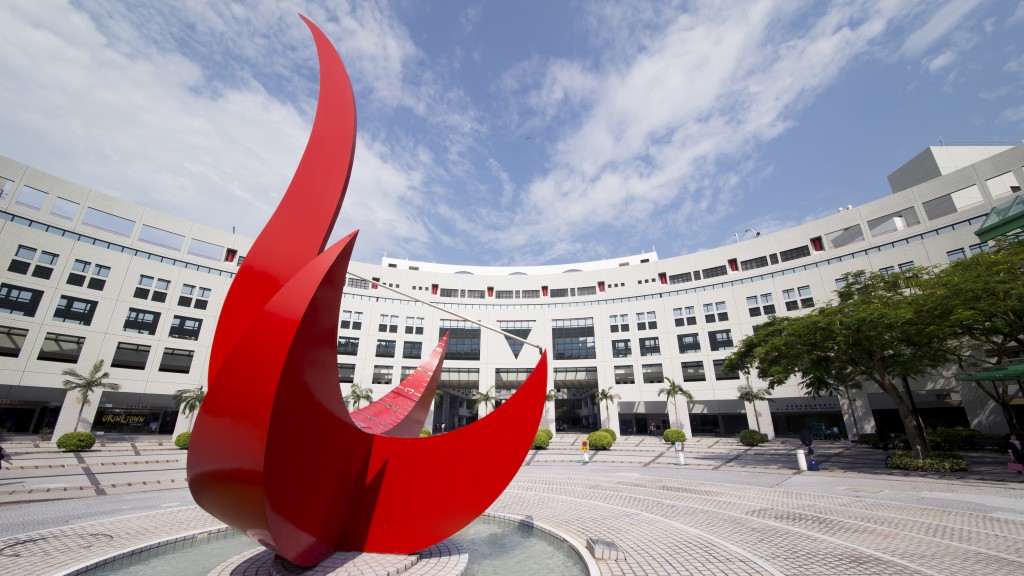
Their calls follow the recent approval granted to the Hong Kong University of Science and Technology (HKUST) to establish the third medical school in the city.
No mandatory service periods should be implemented: Luk
Speaking on a radio program on Wednesday, Luk Che-chung, the former cluster chief executive of Hong Kong East Cluster of the Hospital Authority, welcomed the decision.
Luk highlighted the advantage of HKUST in driving the city into an international health and medical innovation hub with the third medical school.
Regarding the admission criteria -- including the proportion of non-local students and language requirements -- Luk underscored the necessity of proficient Cantonese for effective doctor-patient interactions.
However, he opposed the notion of imposing compulsory service periods on graduates, stating, "With appropriate supportive policies from the government, medical professionals will inherently elect to establish their careers in Hong Kong."
He expressed confidence in the attractiveness of Hong Kong as a professional destination.
Admission criteria should be carefully considered: Lam
In line with the government's decision for the graduate-entry level medical program -- targeting those who already hold a degree -- Alex Lam Chi-yau, chairman of Hong Kong Patients' Voices, stated that these mature and responsible students are more likely to stay in Hong Kong to serve after graduation.
Echoing Luk's view, Lam agreed that strict retention rules are unnecessary, pointing out that many Hong Kong students who pursue medical studies abroad often return to work in the city.
He further recommended reserving about 90 percent of the medical school places for local students gradually in the near future to ensure a stable supply of doctors, allowing the remaining slots for mainland and overseas students.
In contrast, lawmaker Edward Leung Hei addressed the importance of enrolling non-local students to foster diversity, expand international perspectives, and promote research collaboration.
Citing models in Singapore and Australia—where government-subsidized medical graduates must serve locally for a period—he suggested exploring similar practices to address Hong Kong's healthcare staffing shortages.