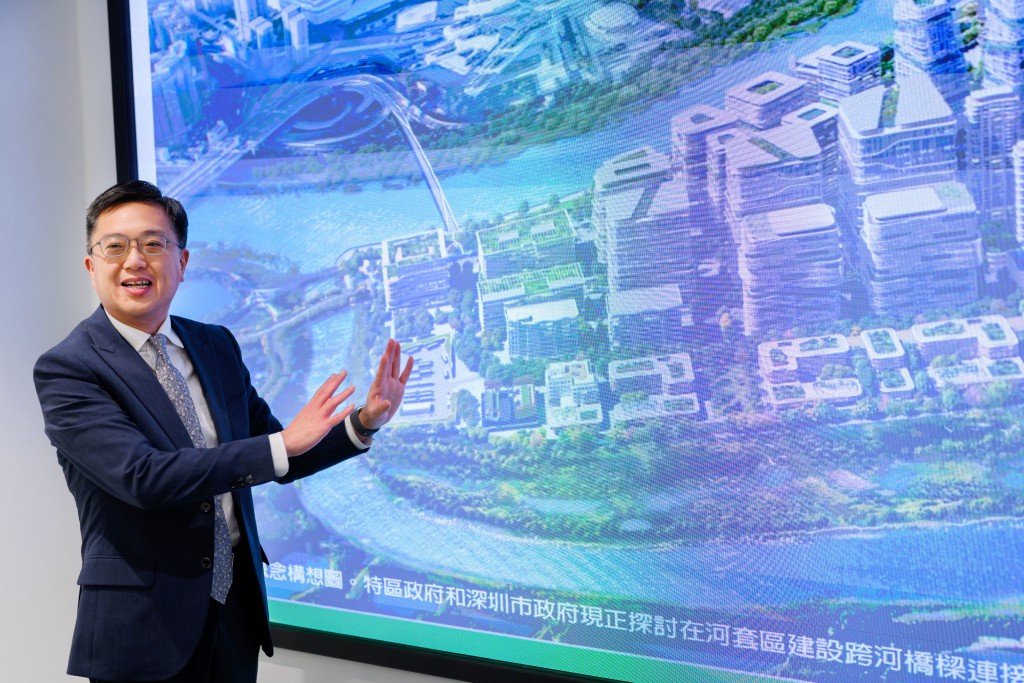
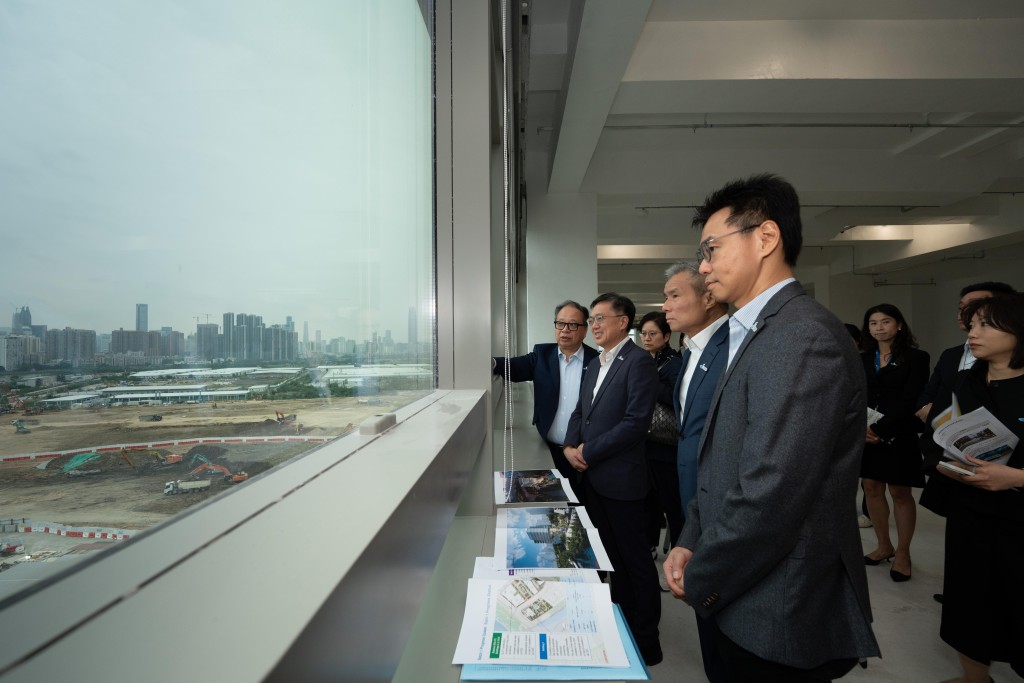
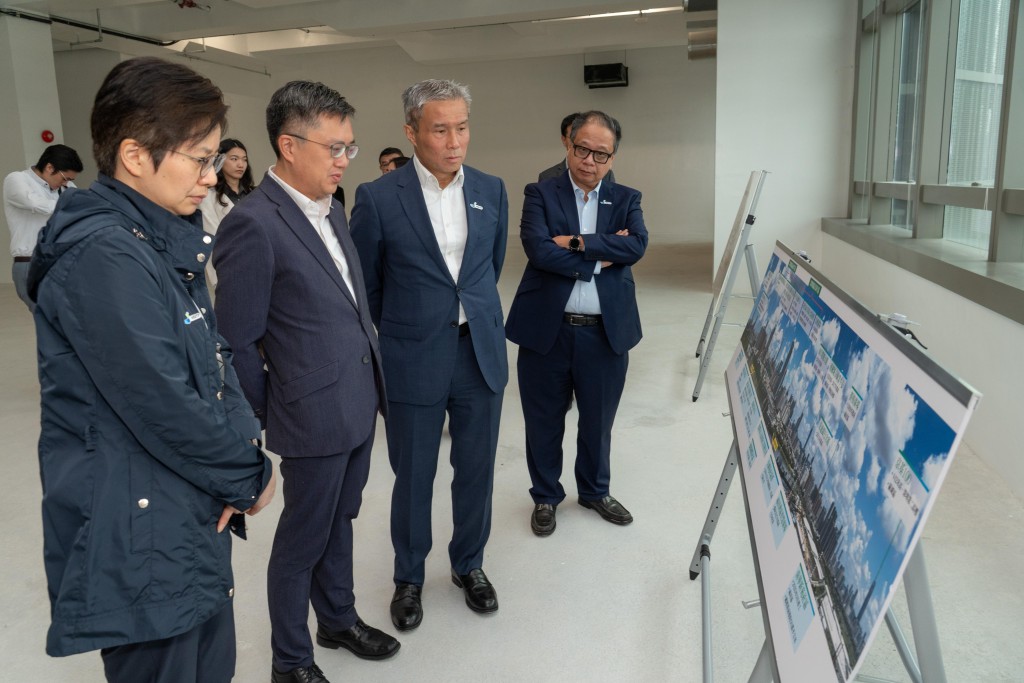
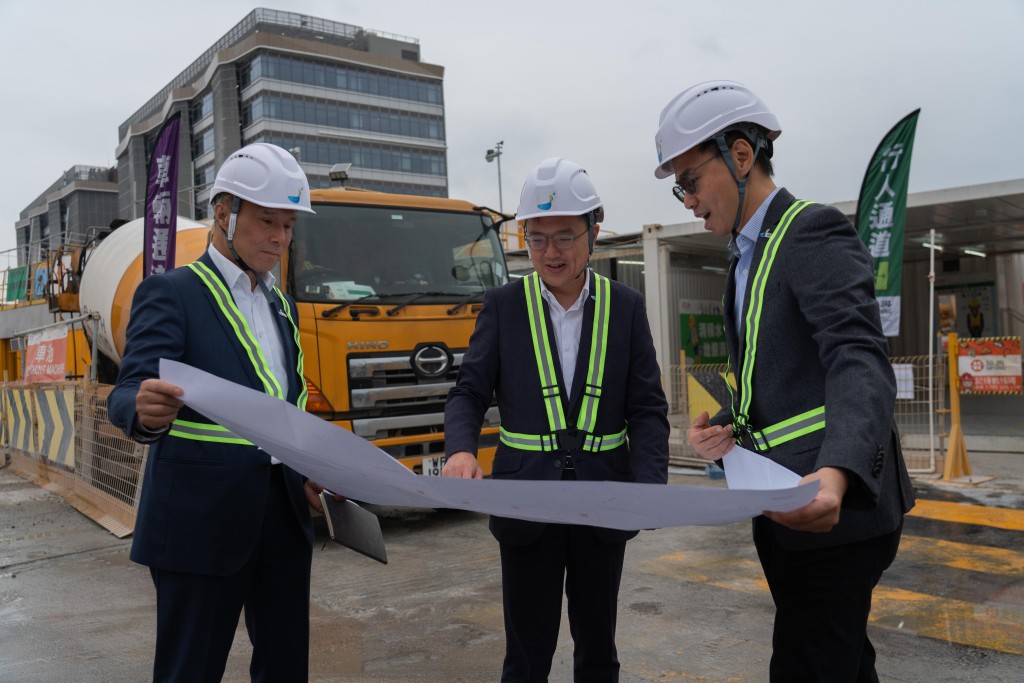
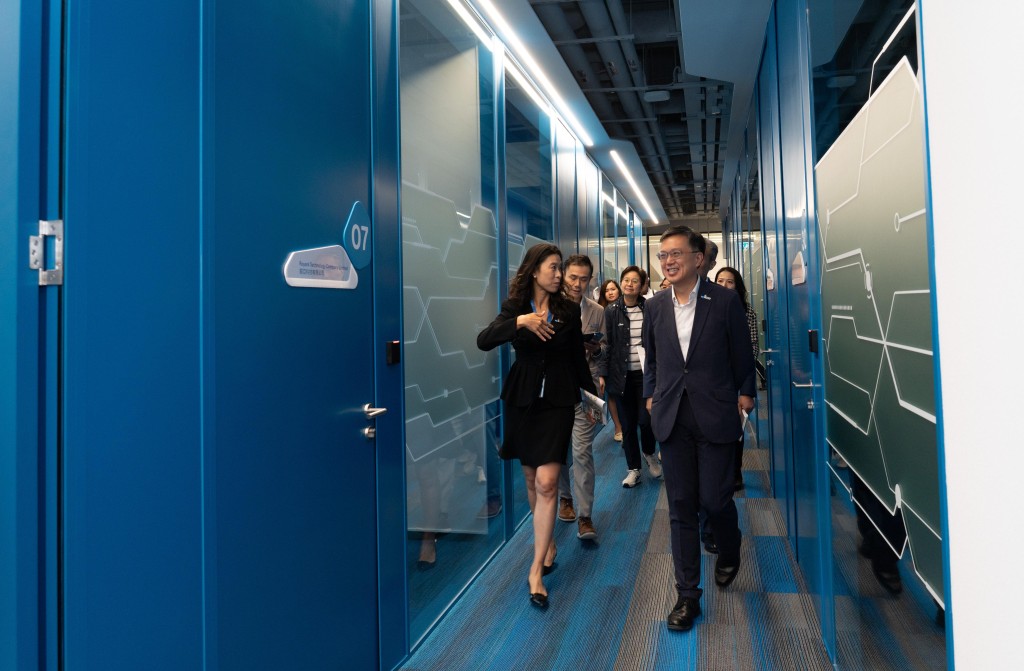
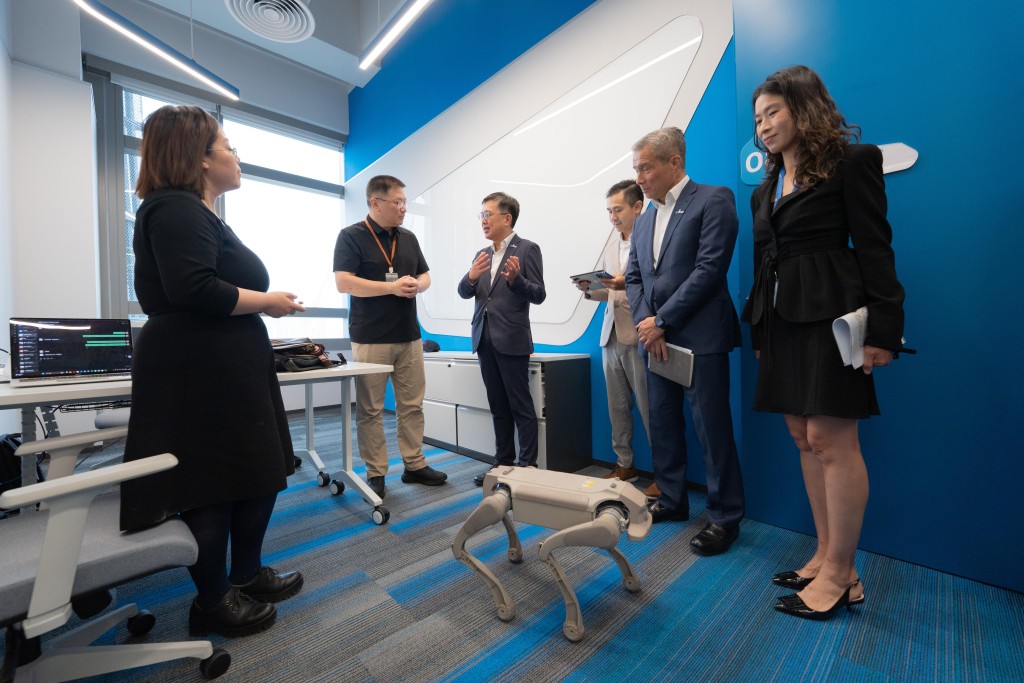
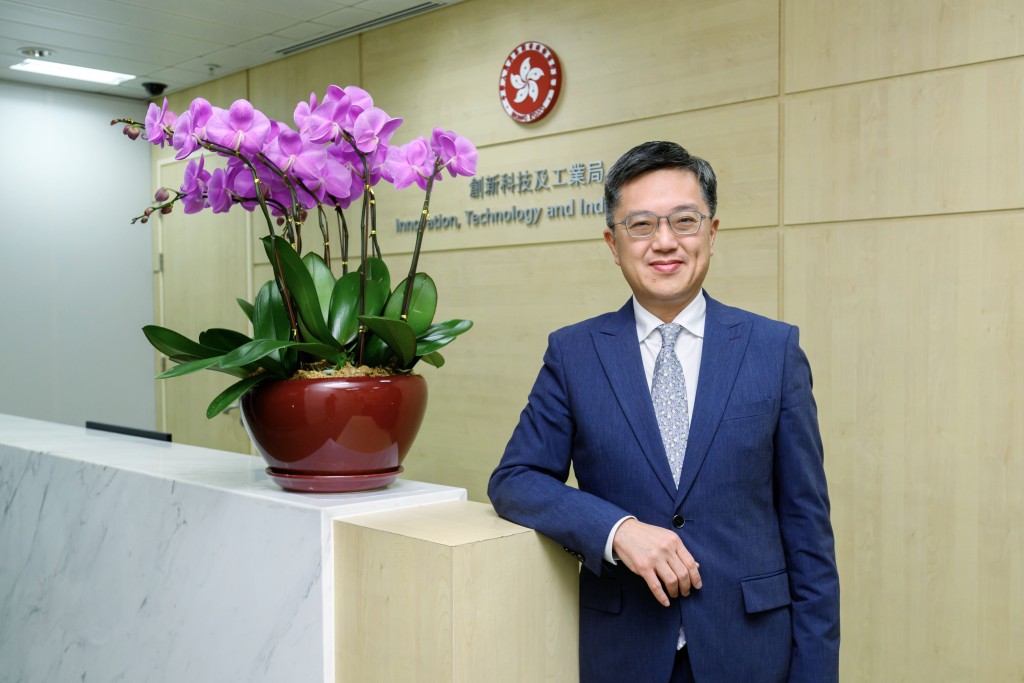
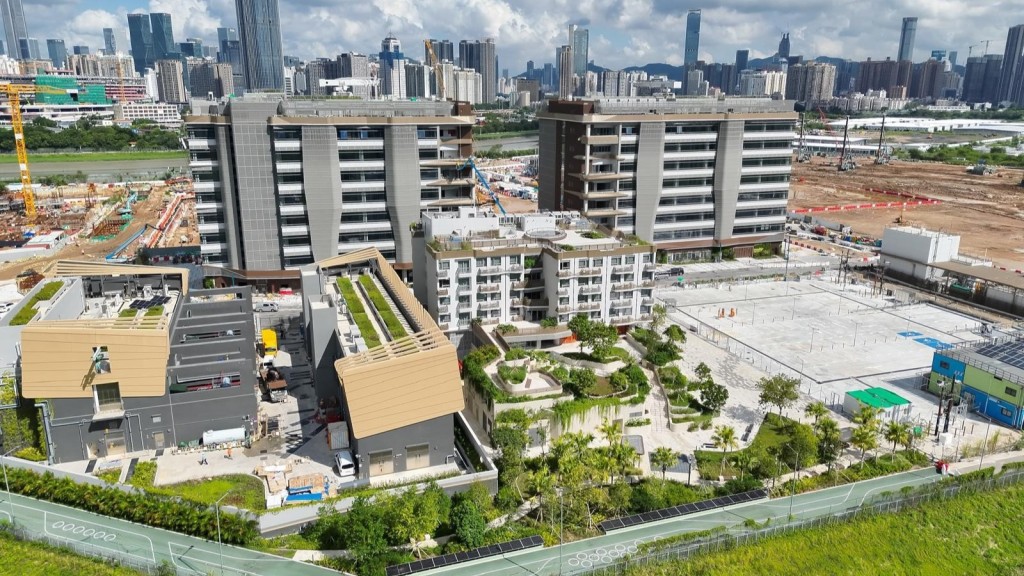
Over 40 enterprises and institutions have signed agreements to join the Hong Kong Park of the Hetao Shenzhen-Hong Kong Science and Technology Innovation Co-operation Zone, with Permanent Secretary for Innovation, Technology and Industry Kevin Choi Kit-ming expecting the park to reach a 90 percent occupancy rate when it officially opens mid-next month.
In an exclusive interview with Sing Tao Daily, the sister publication of The Standard, Choi – also the chairman of the Hong Kong-Shenzhen Innovation and Technology Park – described the Hong Kong Park as a “special zone within the special administrative region.” He highlighted the completion of the first three buildings, including two wet laboratories and a talent accommodation complex, which focus on key industries such as life and health sciences, new energy and AI.
Currently, 70 percent of the wet lab space has been leased, with 20 percent of the companies being international firms and 80 percent local and mainland enterprises.
Choi noted a German pharmaceutical company is establishing a presence in the Greater Bay Area by leveraging Hong Kong’s international medical standards, while a Beijing-based AI company is using the city’s blockchain technology to connect with the Australian market.
He revealed the government has allocated HK$24 billion for the initial phase’s infrastructure and public facilities for the Hong Kong Park, alongside an indirect investment of HK$14.3 billion for the road infrastructure network connecting to Hetao.
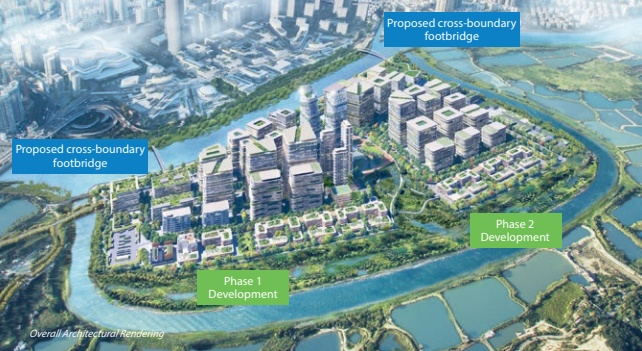
With a gross floor area of 1.2 million square meters, the Park is expected to create 52,000 local jobs and contribute HK$52 billion annually to the economy.
Choi said the first batch of land in phase 1 has been entirely government-funded, focusing on creating a supportive innovation ecosystem with reasonable rental rates. For the remaining land in phase 1, the government is seeking market interest for 10 parcels.
He emphasized the park will prioritize an industry-led model and the key performance indicator will not be measured solely by investment returns. The goal is to achieve financial sustainability and reduce long-term reliance on government support.
Choi also noted the government is actively engaging with mainland authorities to facilitate the movement of researchers, data, biological samples and capital, underscoring the need for clear regulatory measures to ensure secure data flow.