Read More
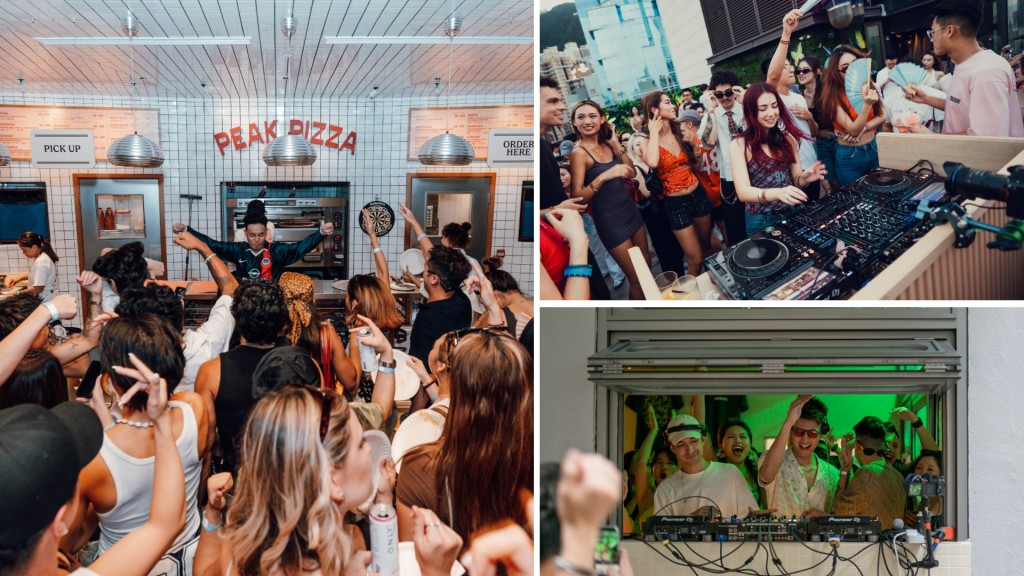
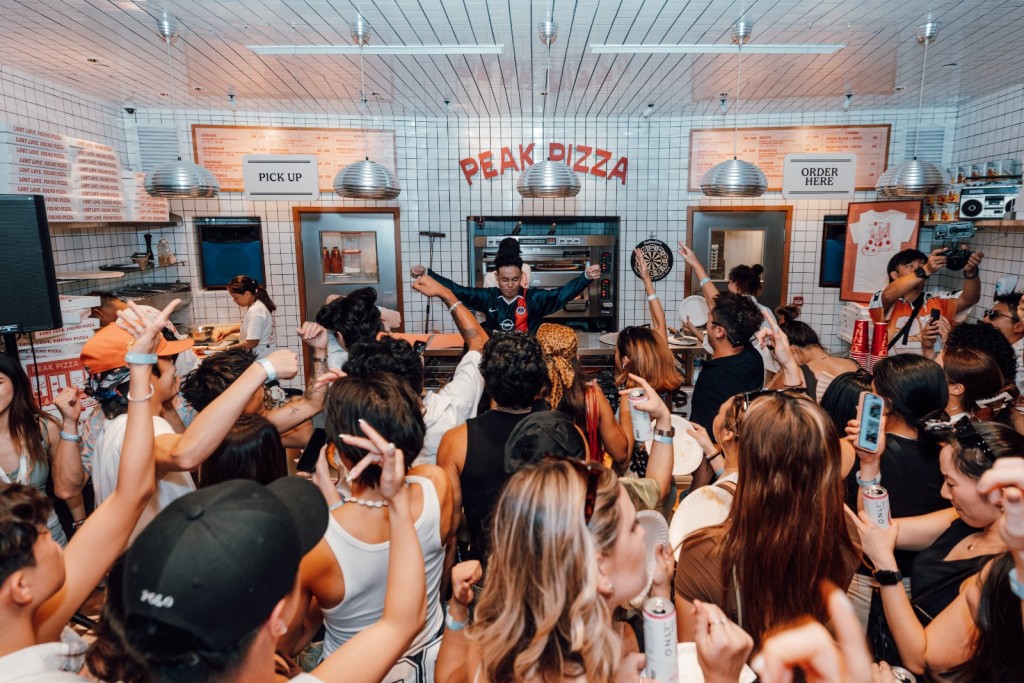
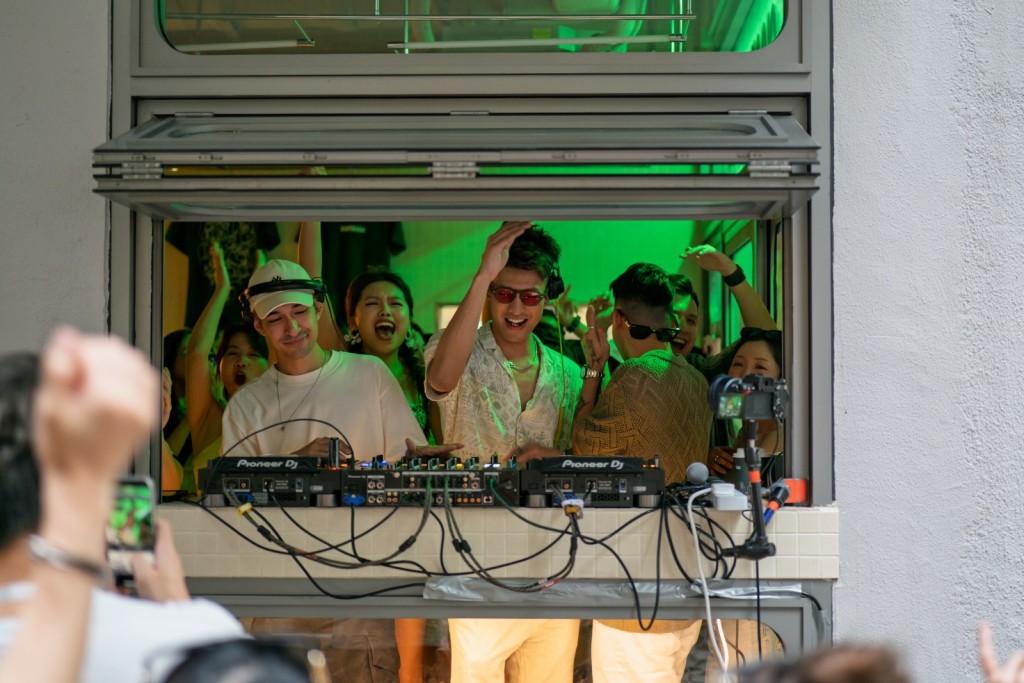
Amid the sizzle of pizza baking in the oven at Peak Pizza shop, the chef kneads dough for the next pie. In the center stands the DJ booth, channeling energy that transforms the restaurant into a vibrant dance floor.
ADVERTISEMENT
SCROLL TO CONTINUE WITH CONTENT
The crowd jams to the music, but this time, the bottles once clutched in Lan Kwai Fong are replaced by slices of hot pizza.
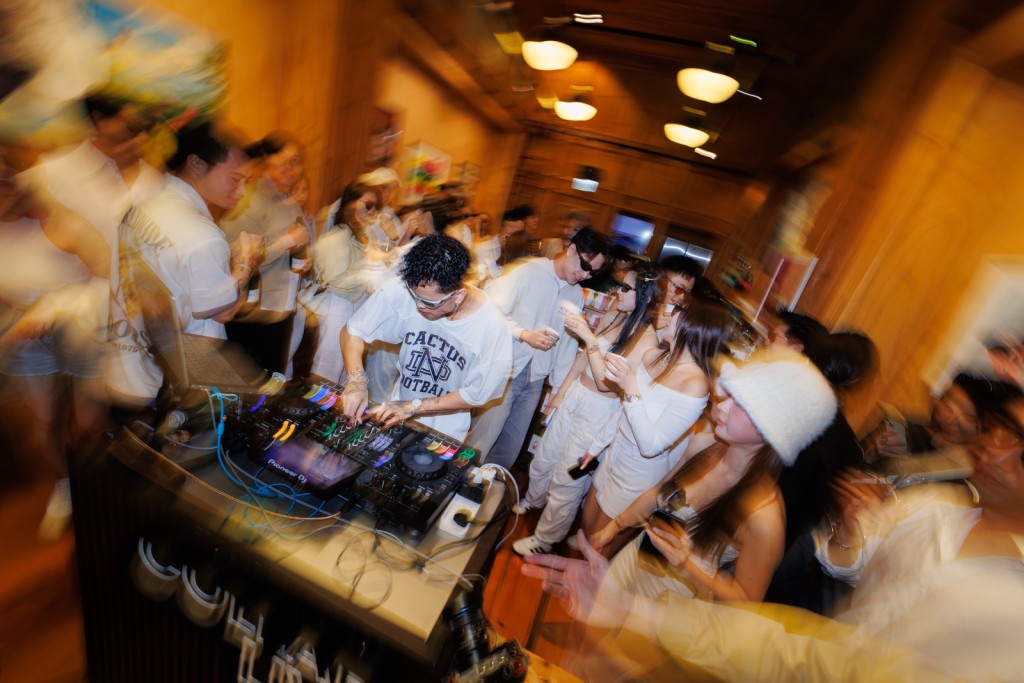
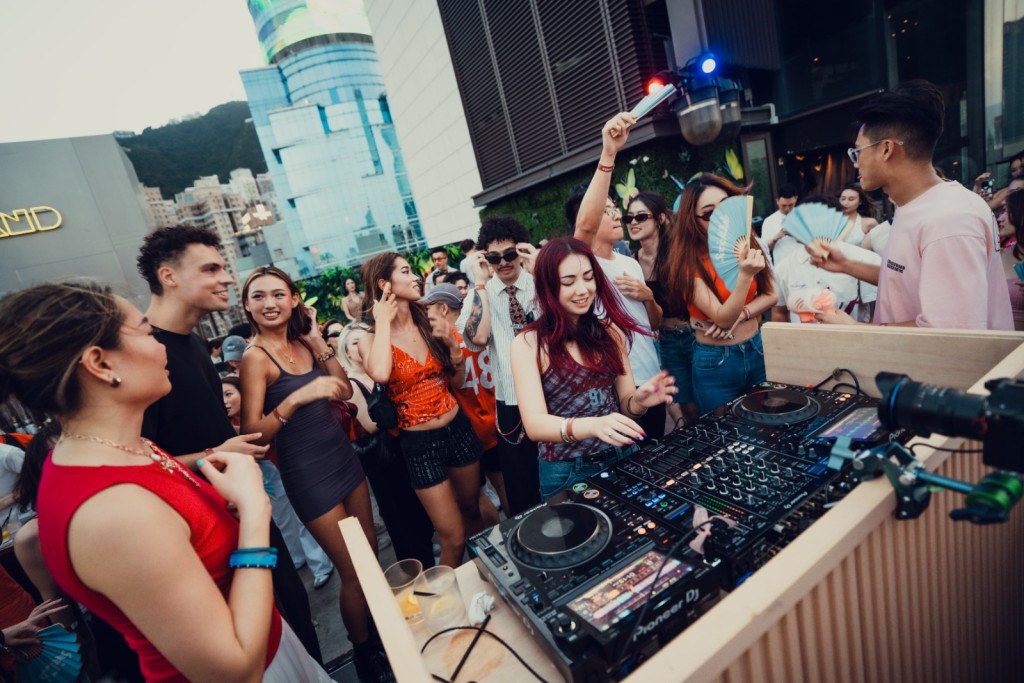
Welcome to a daytime rave—also known as a coffee rave. Originating in Europe and the US, it has become one of Hong Kong's hottest trends this summer.
"Our generation nowadays just enjoys having fun with less alcohol intake, and the second day, we can have our schedule planned to do stuff," said Caroline Zhang, a 25-year-old raver who attended the party.
Remixing rave culture: from underground to mainstream
Driven by the sober-curious culture rising among Gen Z, coffee raves are daytime parties typically hosted at coffee shops or restaurants, with zero or limited alcohol served compared to traditional nightlife.
Rave culture is often perceived as all-night dance parties in warehouses or abandoned buildings since the 1990s, where DJs spin electronic dance music across subgenres.
However, its anti-establishment roots have gradually shifted from the stereotype of alcohol and drug abuse to incorporating mainstream and commercial entertainment amid the growing “wellness” generation worldwide.
"All my European friends, basically the majority of them, all prefer day raves instead of going out all night, and I think it's very nice that some event organizers are bringing this to Asia," Zhang added.
The organizer of the Peak Pizza party, Social Club Series, began its journey with a coffee rave at Central's Islet Coffee in March, which turned out to be a surprising hit as a video clip of the event garnered 35,800 views on Instagram.
"I think the trend goes way back to Covid, when everyone wasn't going out. They were staying at home, sleeping earlier. So the lifestyle actually changed over time," explained Isaac Woo, co-founder of Social Club Series, on why coffee raves are gaining popularity globally.
Throughout the summer, the city has seen similar rave parties at sustainable restaurant Treehouse, the five-star East Hong Kong hotel, and even Mush Barber Shop in Tai Hang joining the emerging lifestyle.
Compared to other daytime raves in Asia, Sandy Lam, co-founder of Social Club Series, believes one key difference is Hong Kong's higher living standards. People here always expect more—or the unexpected—to amaze them in this metropolitan city.
"When we speak of Hong Kong, I think it's like a conglomerate of cultures, with lots of pretty restaurants and hidden gems," she said.
From the first coffee rave episode to the 10th edition in August, Lam and Woo have hosted events in unique spots across the city. They particularly mentioned the criteria for selecting the rave's venue: it must look good on camera while elevating crowd interaction with the DJ.
Regarding the shift from dark nights, Lam believes the major driver is the younger generation, especially those born after 2000, seeking more creative ways to party with health and wellness in mind.
Traditional ravers are also one of the key audiences, she added, as they attend the DJs they love, soberly enjoying the sets with coffee, or just a tad bit of alcohol.
Beats, bytes, and big business
It is not just a cultural transformation, at least not in Hong Kong where local food and beverage spots are suffering. These rave parties have also brought commercial benefits to the sluggish dining scene, commented Lam and Woo.
"Every time we collaborate with a restaurant, we try to pick non-peak hours when they don't do much business," said Lam. "They don't get that much income during that period."
Hong Kong restaurants are having an extremely difficult time, with little sign of turnaround. Authorities admit that northbound consumption, where residents head to mainland for cost-effective options, has become routine.
It's estimated that about 300 eateries close in Hong Kong every month, while fewer than 200 open. In August alone, the well-known Outback Steakhouse ceased operations at nine of its 19 locations, and multiple traditional Chinese restaurants have closed down.
Notably, Bing Kee Cha Dong, a 70-year-old dai pai dong located in Tai Hang and always patronized by celebrities such as Eason Chan, closed due to temporary labor shortages.
"I think doing some parties at that restaurant will help them gain exposure and bring short-term financial income in that period," said Lam.
She further shared that Black Sheep Restaurants, the group that manages Peak Pizza, shares discounts or coupons for party-goers' next purchase as an attempt to create repeat custom acquired from the rave.
"With the collaborative sharing model, the organizers of the rave party hope we can bring exposure and new customers to the business, especially attracting the younger generation," she added.
Lam's emphasis on the younger generation is exactly what local eateries are already targeting, using daytime raves to impress Gen Z. This includes Silk, a local milk tea brand launched in 2022.
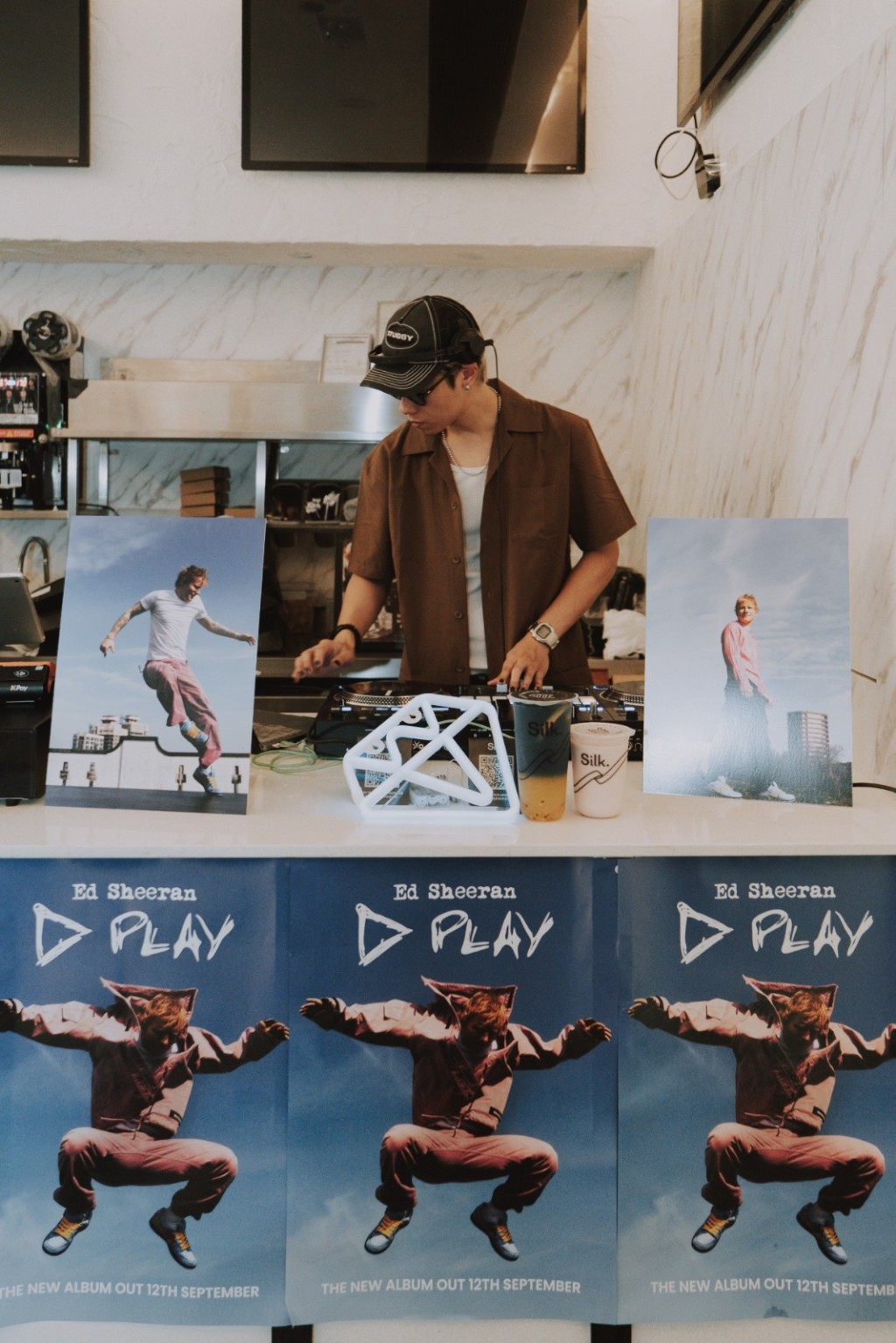
Back in February, they threw a daytime party in collaboration with international DJ Baby J. Instead of coffee, the event was energized by Silk's signature creative twists on traditional Hong Kong milk tea.
In a short time, this unique combo of rave and Hong Kong classic food culture has caught the eye of Warner Music, which has invited the business to host a lunch party promoting Ed Sheeran's new single, "Sapphire," in June.
"No one in the boba industry has been doing it in Hong Kong, so we wanted to be the first," said Sonia Lau, Silk's chief of staff and marketing director.
During the party, Ed Sheeran fans jammed at the Silk shop with the limited "Sapphire"-themed drink, which later ranked in the top five of the brand's special drink products.
"Ed Sheeran fans were posting on Instagram Stories and tagging us," Lau said. "So I definitely think the rave provided a great marketing angle for us and was a great promotion."
Never-ending search for the next vibe
Following the success, the brand continued to think out of the box, creating a daytime rave collaboration with cosmetics brand Olay in July. The party hosted the crowd with a limited-edition bubble tea as well, turning their Causeway Bay shop into an exclusive space for ravers.
On social media, more Hong Kong Gen Z are seeking coffee raves in the city. Despite months of popularity, the rave fad lives on.
In early September, Social Club Series and Silk are collaborating—along with Wong Kar-wai film-style bar Kinsman—to throw a daytime rave experience for the city's restless hearts.
The creative forces will launch a cocktail series featuring milk tea mixed with baijiu from British brand Baijiu Society, which aims to enter the Hong Kong market, with the whole experience elevated by a rave party.
"If coffee parties are always set in the same tone, like going to similar coffee shops and playing similar music, Hong Kong people will get tired or lose interest easily," said Social Club's Lam.
As she noted, Hong Kong’s Gen Z are always ready for the next unique daytime rave, whenever and wherever it is.