A total of 2,609 requests for assistance from Hong Kong residents were received between January and September this year by the Immigration Department, with about half related to lost travel documents. This was revealed by chief immigration officer (International Co-operation) Tse Chun-fung, along with a rise in cases involving cabin theft, self-driv-ing accidents, and drone photography in military restricted areas.
The most common assistance requests included lost travel documents, hospitalization due to ill-ness, and traffic accidents overseas in the first nine months of the year. Within this period, there had been 1,272 cases related to lost travel documents, 10 per-cent down from last year’s 1,467. The decrease is believed to stem from increased promotional efforts by the ImmD, which raised travel safety awareness among Hongkongers. Japan, the UK, and South Korea were the countries in which they sought the most assistance.
Tse emphasized the importance of being aware of travel safety and local laws when going abroad. Travelers are advised to take care of their per-sonal belongings and travel documents, as well as beware of “cabin thieves” and pickpockets in tourist hotspots, as the Assistance to Hong Kong Residence Unit hotline has received numerous reports of rob-beries on board.
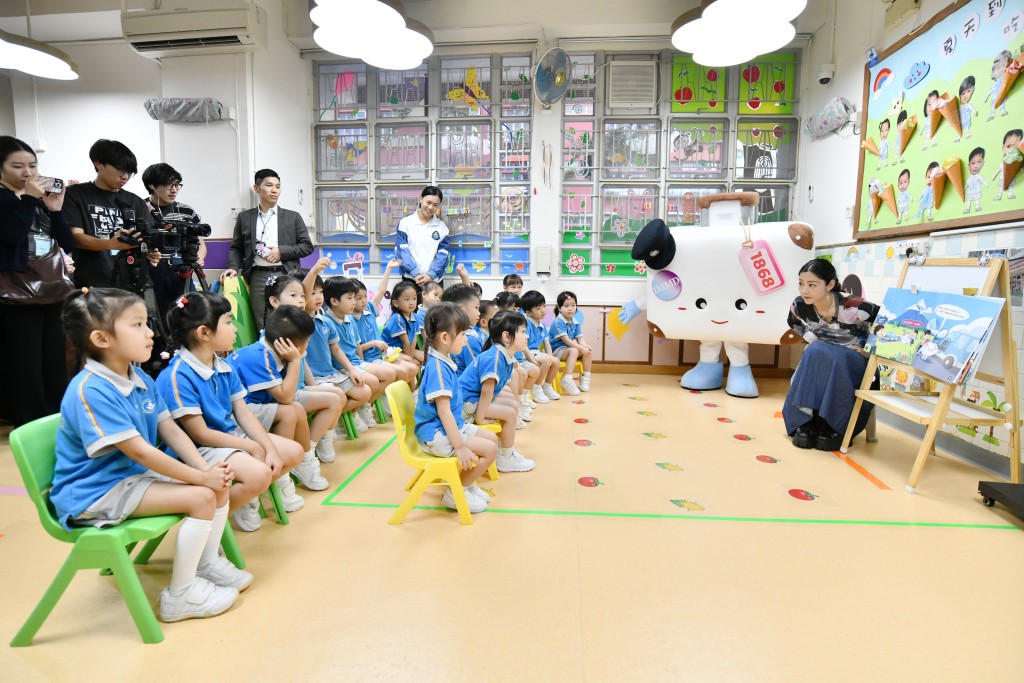
Kids enjoy the book narrating session. SING TAO
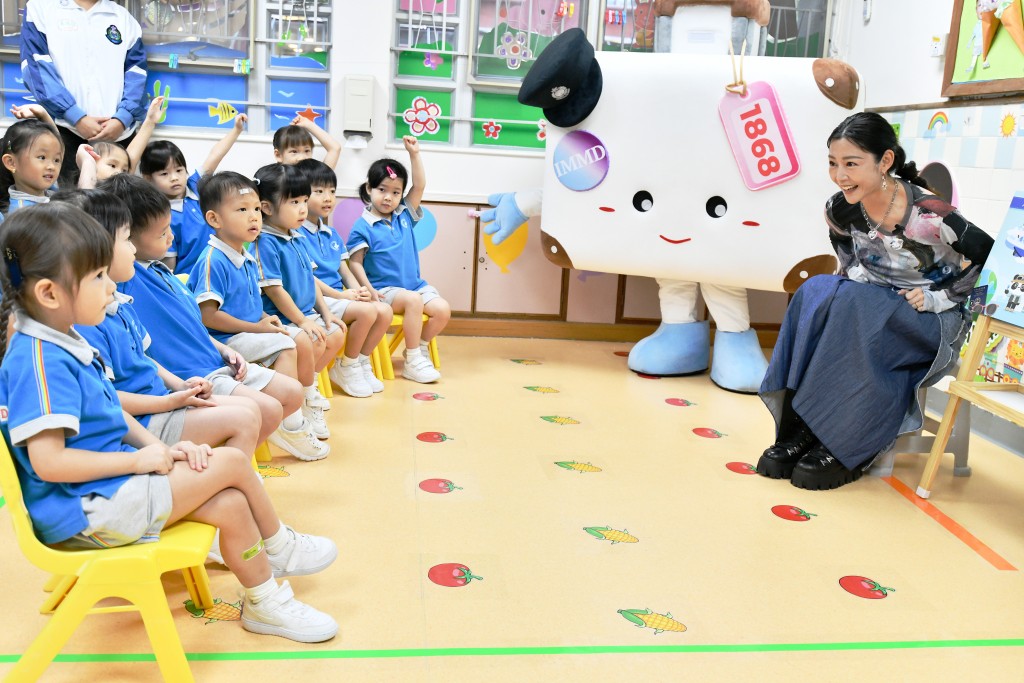
Michelle Wai Sze-nga visits the school to be the story book narrator. SING TAO
Tse recommends keeping valuables and docu-ments on one’s person while away from the seat, and suggested wearing small crossbody bags under coats to reduce exposure to theft. He also encour-aged travelers to prepare photocopies of their travel documents to facilitate processing in case of loss.
Regarding travel insurance, holiday-makers are advised to review coverage details as popular high-risk outdoor activities such as diving and rid-ing hot air balloons might not be included under all insurance plans. Tse raised concerns about whether insurance will cover upfront medical expenses in the event of hospitalization abroad, and if medical repa-triation is included in case of accidents.
In addition, Tse warned that unfamiliarity with local traffic regulations has led to numerous assis-tance requests due to traffic accidents during road trips overseas. “Don’t rely on extensive driving experience in Hong Kong and ignore the different traffic regulations in foreign countries,” he cau-tioned.
Moreover, Tse reminded travelers to be respect-ful when taking photographs in foreign countries and abstain from disturbing local residents, highlight-ing photography restrictions in certain areas. For instance, photography is strictly prohibited in public bathhouses in South Korea for privacy concerns, and violations can lead to legal repercussions.
He specifically shed light on the usage of drones in photo-taking, given its popularity in recent years, urging travelers to exercise great caution as certain regions have strict regulations on drone usage. The Chinese Embassy has previously cautioned Chinese citizens about the risks associated with drone and camera use in April as well.
Two Chinese tourists were detained in Jeju in August for illegally photographing a naval base.
Consular protection remains a safety net for Hong Kong residents traveling abroad. The Assistance to Hong Kong Residents Unit, supported by the Office of the Commissioner of the Ministry of Foreign Affairs and the Chinese diplomatic and consular missions, provides practical assistance to residents facing difficulties while overseas.