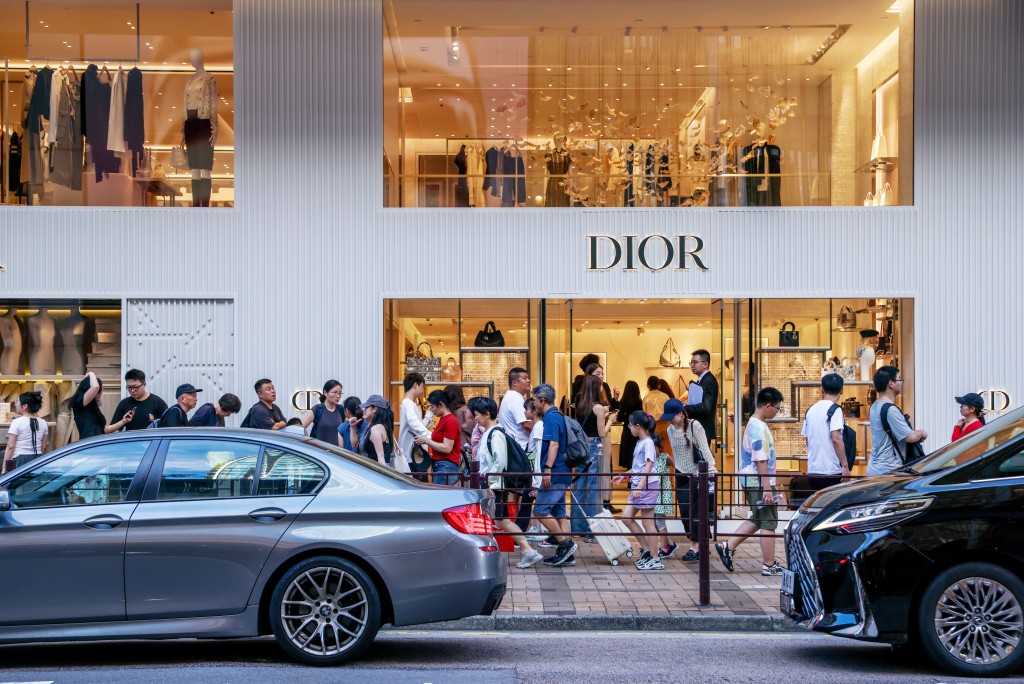
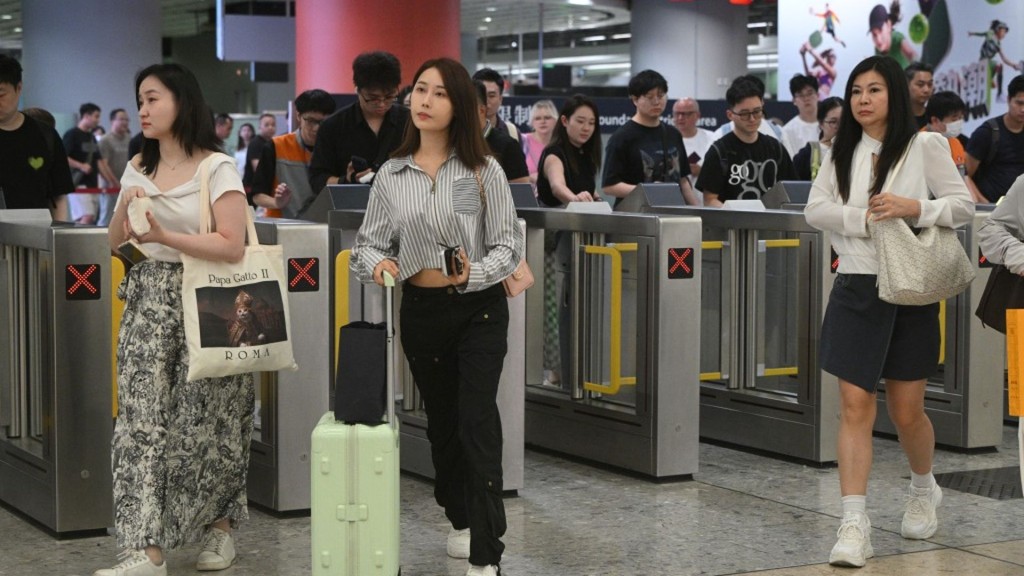
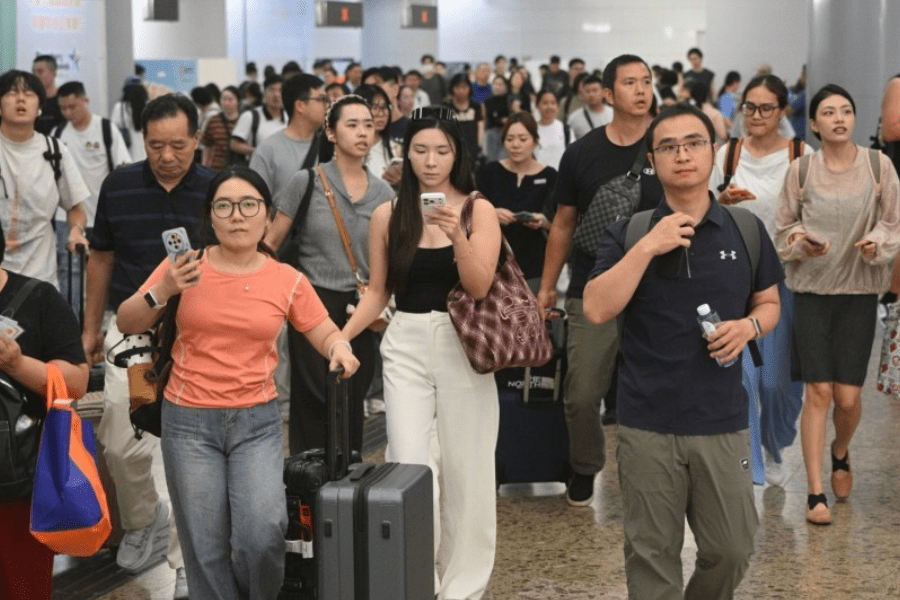
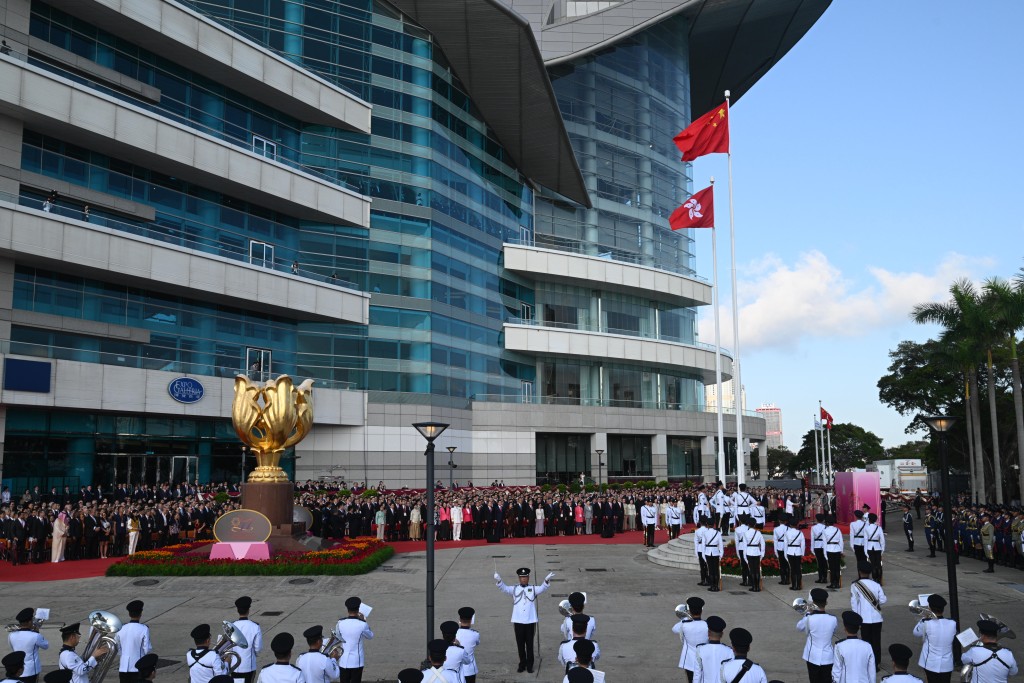
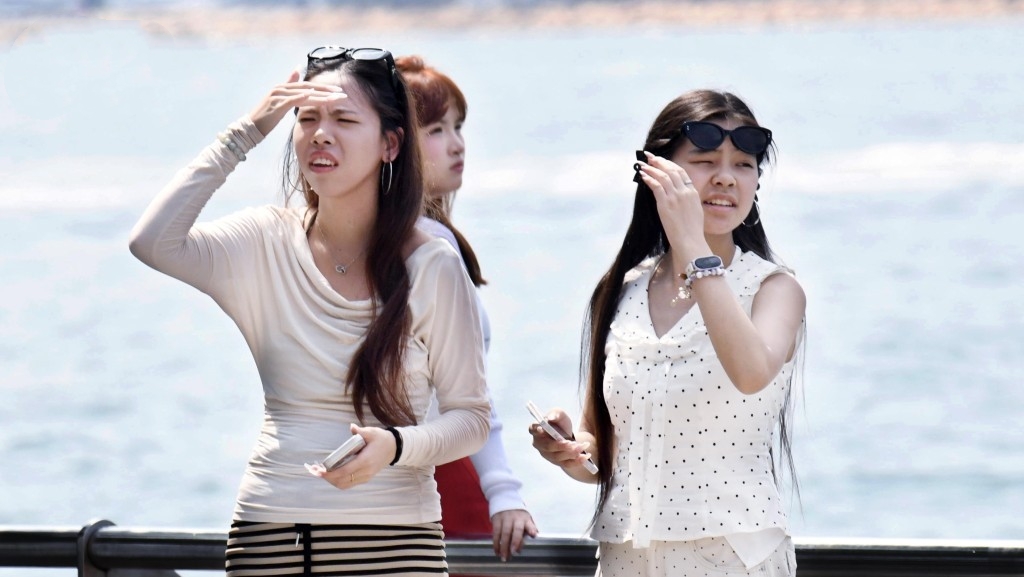
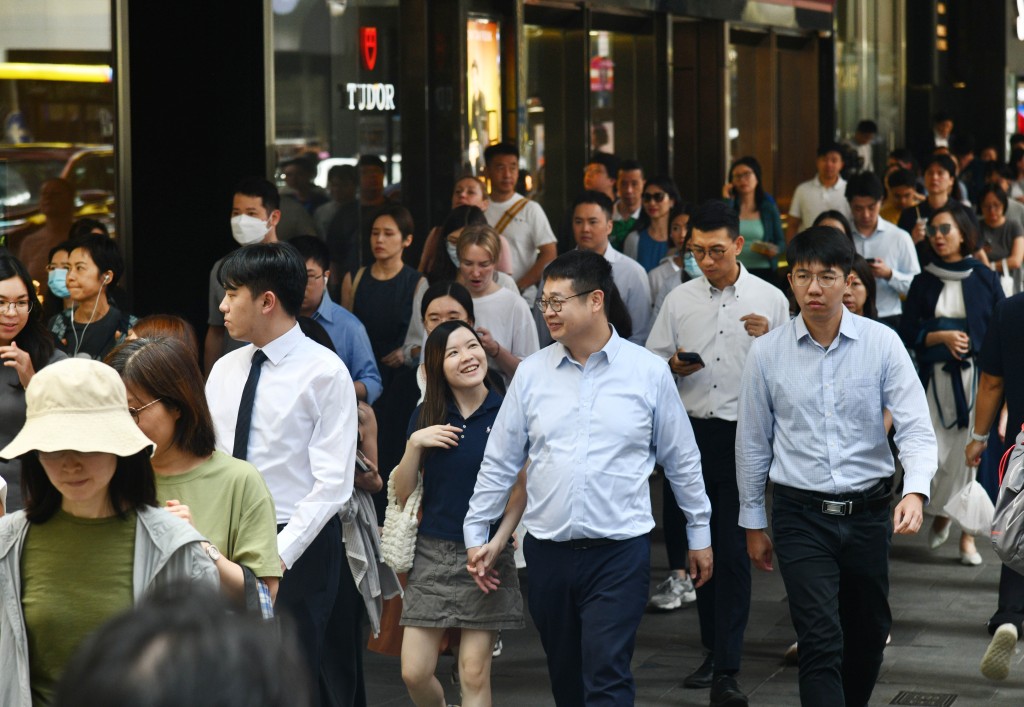
The National Day Golden Week and the Mid-Autumn Festival brought a notable increase in mainland visitors to Hong Kong, boosting local retail revenue.
As of 10am on Tuesday (Oct 7), over 62,000 arrivals have been recorded at various border control points. Among them, 34,500 were visitors while 29,600 were from the mainland. A total of 94,000 people recorded departing the city, with over 20,000 leaving via the airport.
A tourist from Jiangsu said she stayed for around three days and spent tens of thousands of yuan, with accommodations costing around 10,000 yuan. She mainly shopped for medicines, cosmetics and handbags.
Some visitors took the chance to visit relatives in the city.
A traveler -- also from Jiangsu -- said he stayed in the city for seven days to visit his son, who studies in Hong Kong.
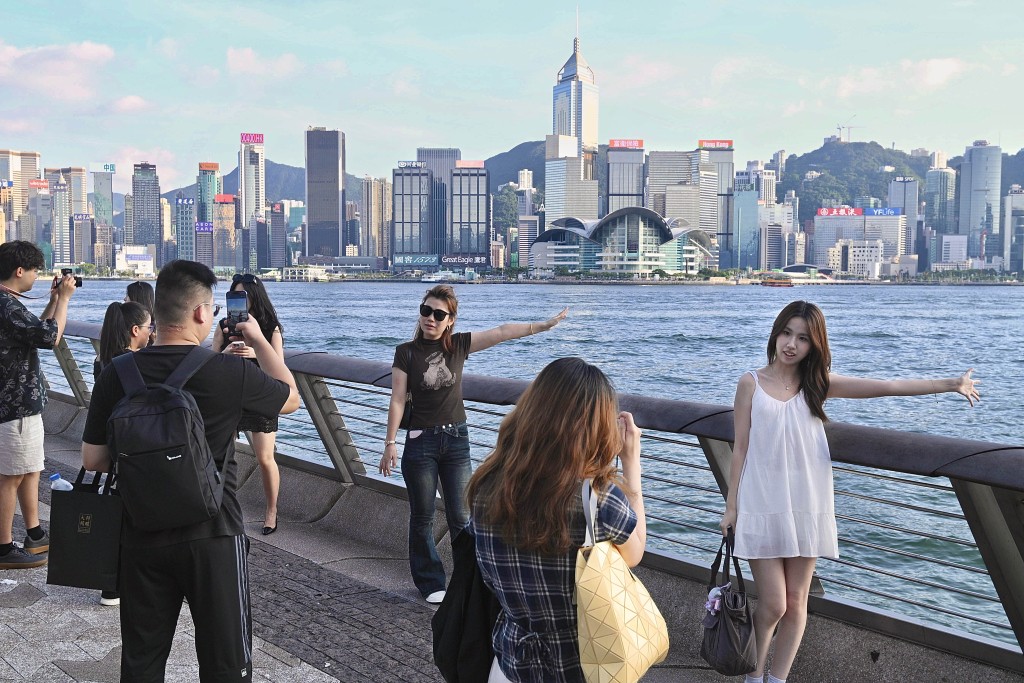
The family of three visited Tsim Sha Tsui, Central and Admiralty, enjoying the views of Victoria Harbour and the Avenue of Stars, as well as dining and shopping, spending over HK$10,000 during the trip.
He said Hong Kong is crowded and lively, contrary to his expectation of an economic downturn. He also found locals were friendly and planned to revisit.
Another traveler brought her children to visit her husband working in Hong Kong and noted that she comes several times a year.
They originally planned to go to Cheung Chau but decided to stay indoors due to the typhoon. They instead went to the Museum of History, shopped for baby products at department stores and enjoyed a free tram ride.
A visitor from Guiyang, who stayed for seven days, observed that the Mid-Autumn Festival atmosphere in Hong Kong is more vibrant than in the mainland.
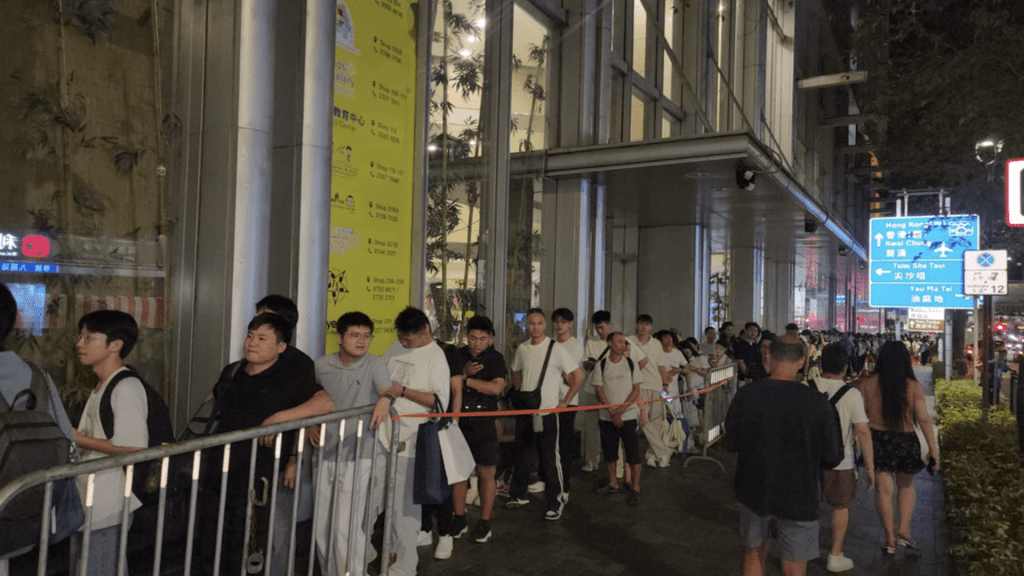
The wholesale and retail sector lawmaker Peter Shiu Ka-fai said that popular areas such as Tsim Sha Tsui are experiencing increased foot traffic. The sector has recorded double-digit growth in sales; however, these figures still fall short of the peak sales levels observed in 2018.
Shiu indicated that, in comparison to previous years, weekend visitors are primarily drawn from the Greater Bay Area. As these visitors are not first-time travelers to Hong Kong, they tend to explore less frequented regions of the city.
Conversely, during extended holiday periods, an influx of long-distance tourists arrives via high-speed rail or flights. Due to their infrequent visits, these tourists typically allocate a higher budget for their desired purchases.
Yeung Chun-nin, president of the Hong Kong Federation of Restaurants & Related Trades, reported that overall business performance has remained consistent with the same period from the previous year.
He noted that reservation rates have increased by 10 to 20 percent compared to regular weekends and Sundays.