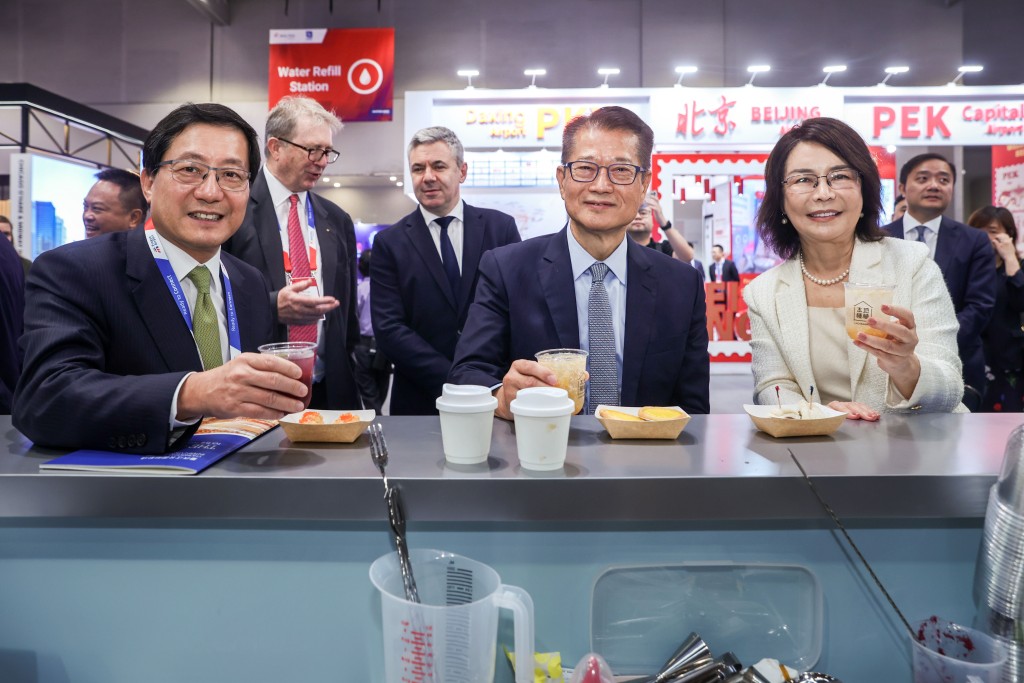
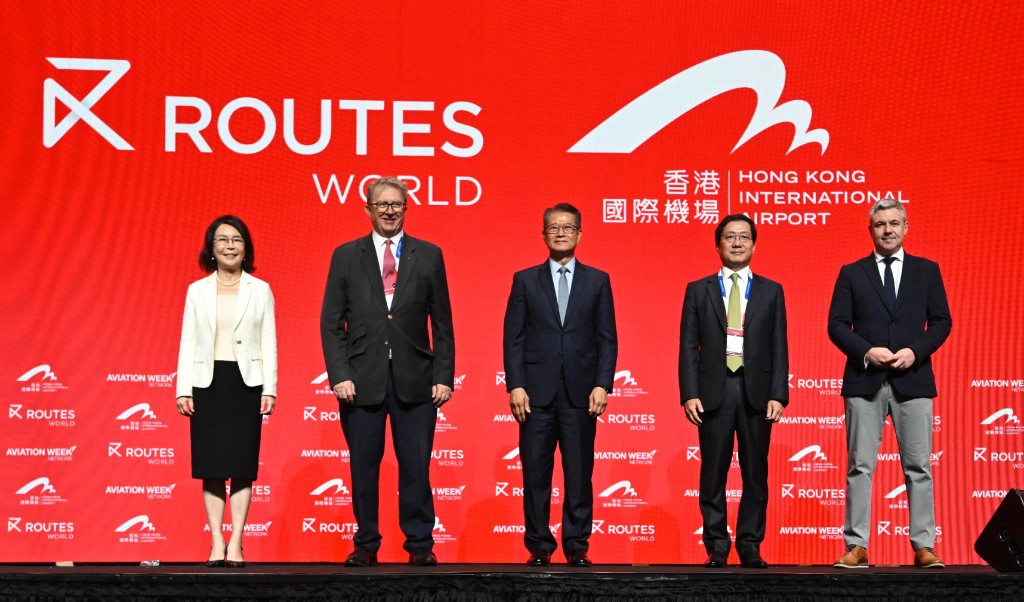
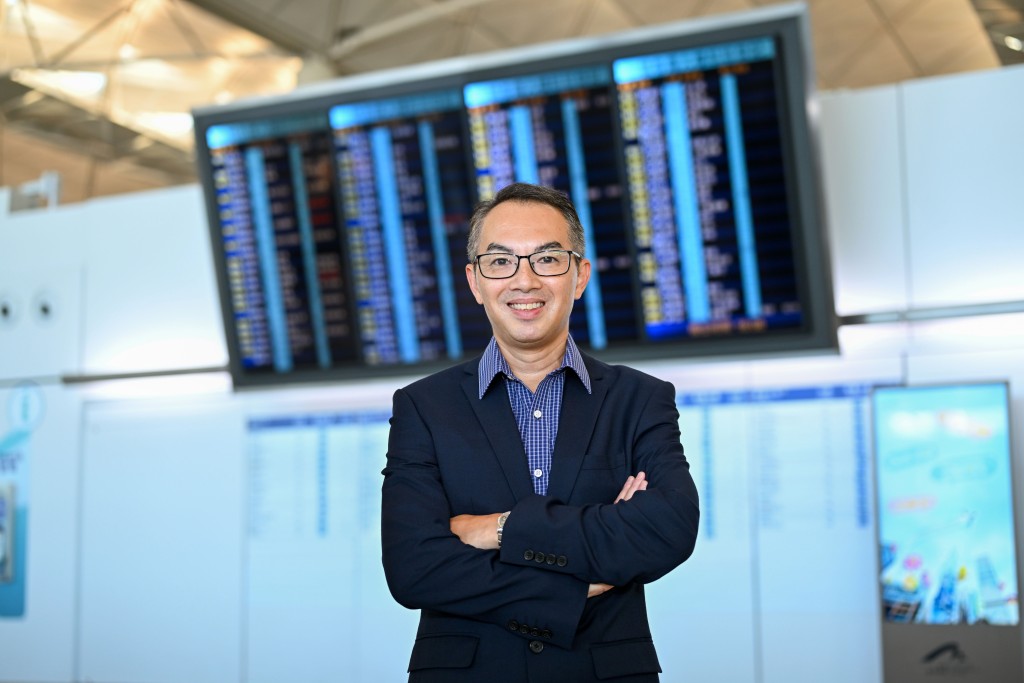
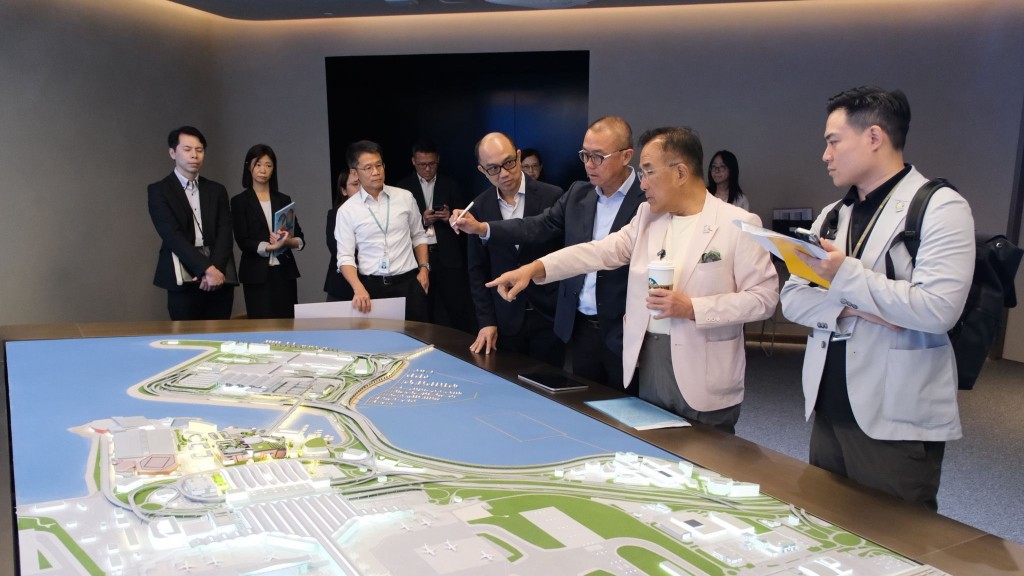
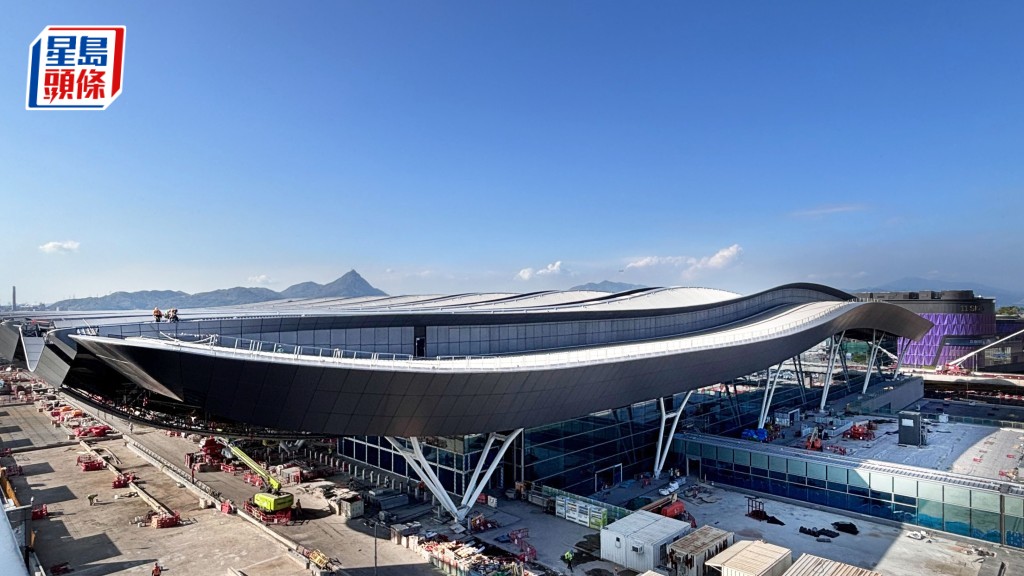
Hong Kong International Airport is aiming to serve 120 million passengers and manage 10 million tonnes of cargo annually within the next decade, said Vivian Cheung Kar-fay, chief executive officer of the Airport Authority Hong Kong, during Routes World 2025.
Cheung reported that passenger numbers are expected to reach 5.2 billion this year, marking a new high for the aviation industry.
In light of intense competition within the sector, Cheung underscored the necessity for HKIA to remain competitive, particularly as numerous airports have enhanced their services and airlines have introduced new routes.
To accommodate a greater number of passengers, Cheung emphasized the importance of improving operational efficiency and providing airlines with compelling incentives to establish routes to Hong Kong, thereby increasing the influx of visitors.
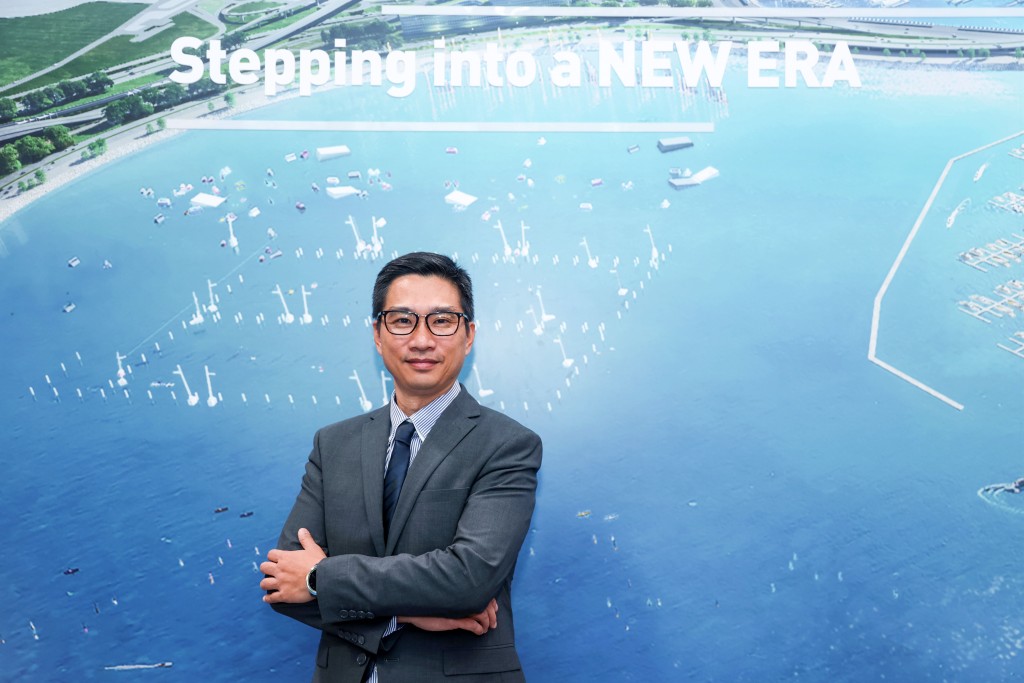
At the "Shaping Hong Kong's Aviation Future" conference, AAHK chairman Fred Lam Tin-fuk shared how HKIA prepares for extreme weather conditions.
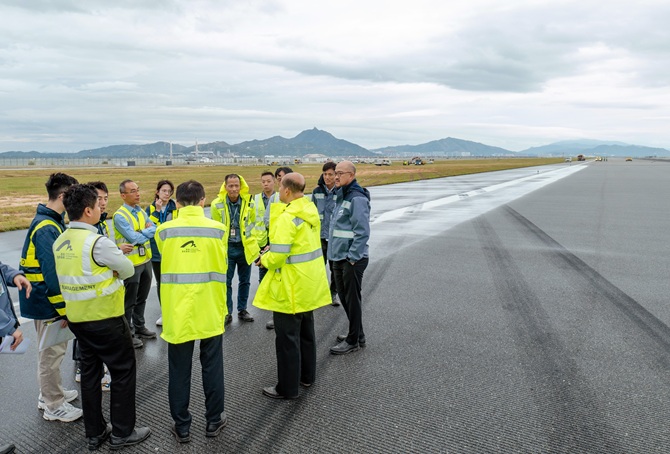
In working with the Hong Kong Observatory, HKIA is a step forward to make thorough preparations, Lam said. He emphasized that the Three-runway System significantly enhances the airport's capacity to manage operations following typhoons, enabling airlines to efficiently repatriate flights to Hong Kong in anticipation of the resumption of normal services.
He highlighted that while the rise in sea levels associated with typhoons poses challenges, the airport's infrastructure is engineered to endure wave heights of up to six meters, thereby allowing flight operations to continue.
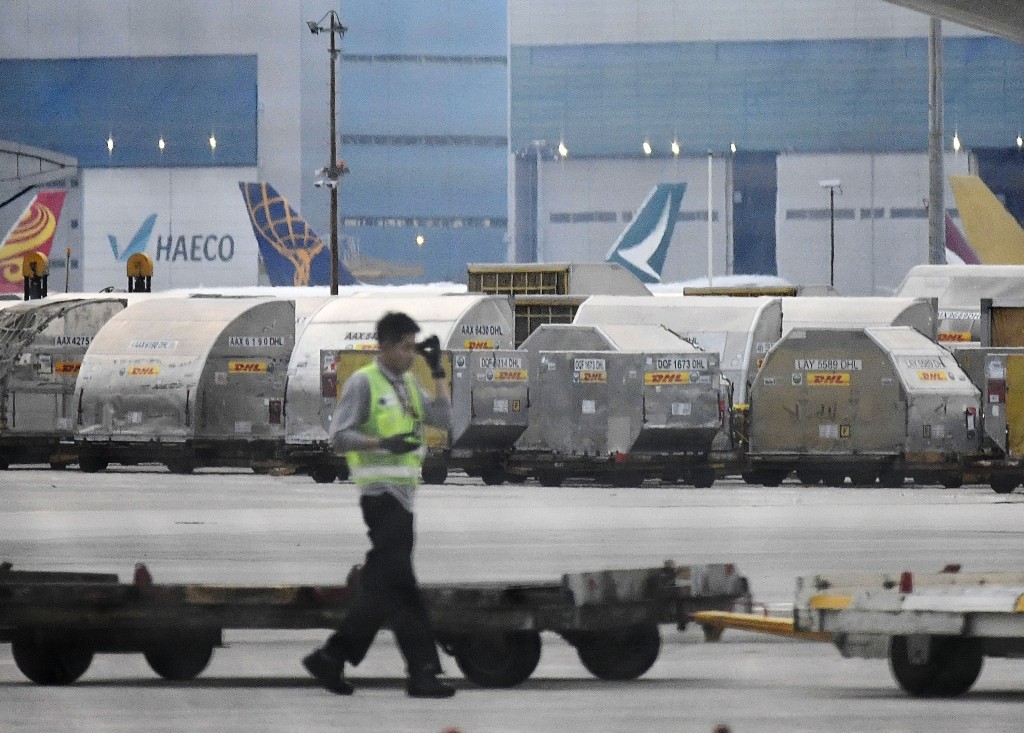
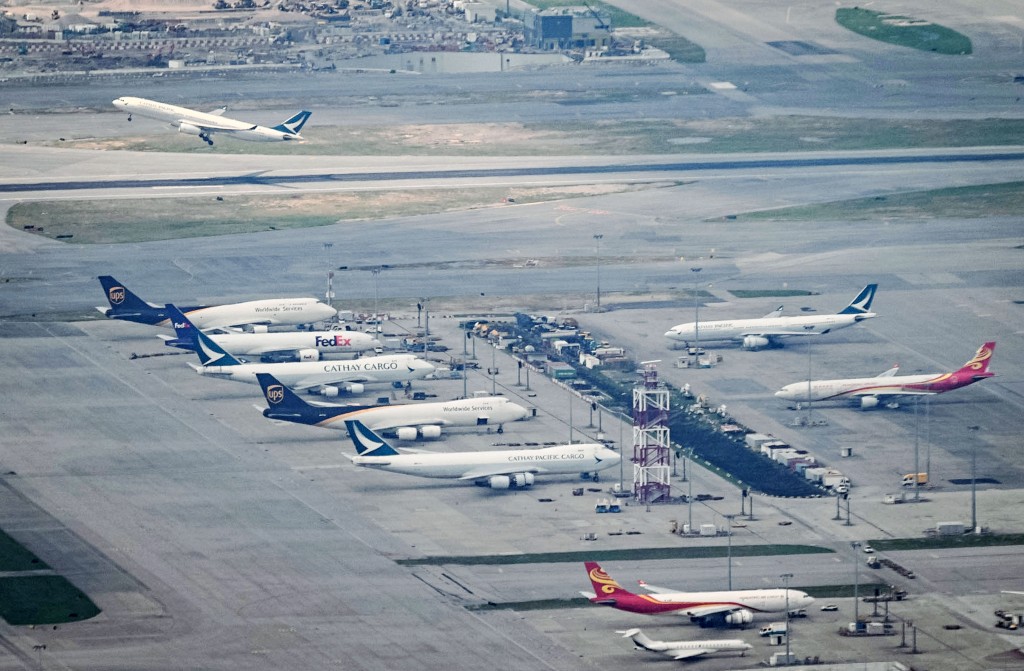
Regarding the impact of the tariff war on HKIA's cargo volume, Lam reported a 15 percent decline in cargo exports to the United States via Hong Kong during the first eight months of the year.
However, he noted that the city's cargo network remains diversified as it is a pivotal global and regional cargo hub, and the overall cargo volumes continue to increase as driven by robust growth from Europe, the Middle East, and Southeast Asia.
The AAHK chairman stated his belief that the adverse effects of the tariff war will soon diminish and expressed confidence in the future stability of cargo volumes.