Read More





Night Recap - September 25, 2026
18 hours ago


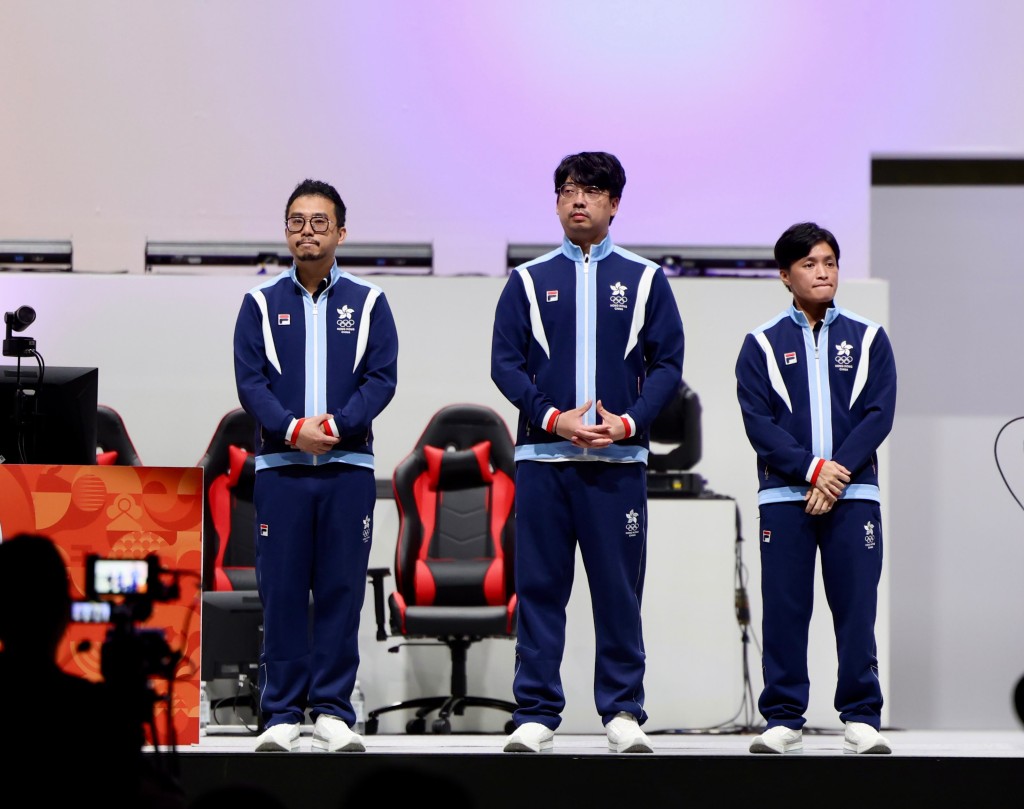

Mid-Autumn early release tier list sparks debate among Hong Kong workers
25-09-2026 14:31 HKT
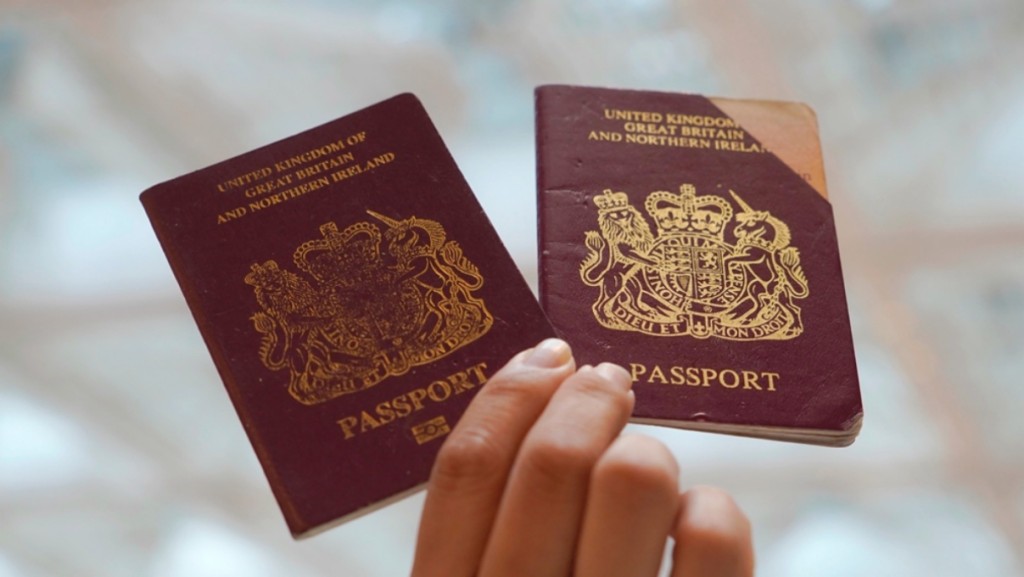
UK denies BN(O) visas to Hongkongers with protest convictions: report
23-09-2026 18:59 HKT


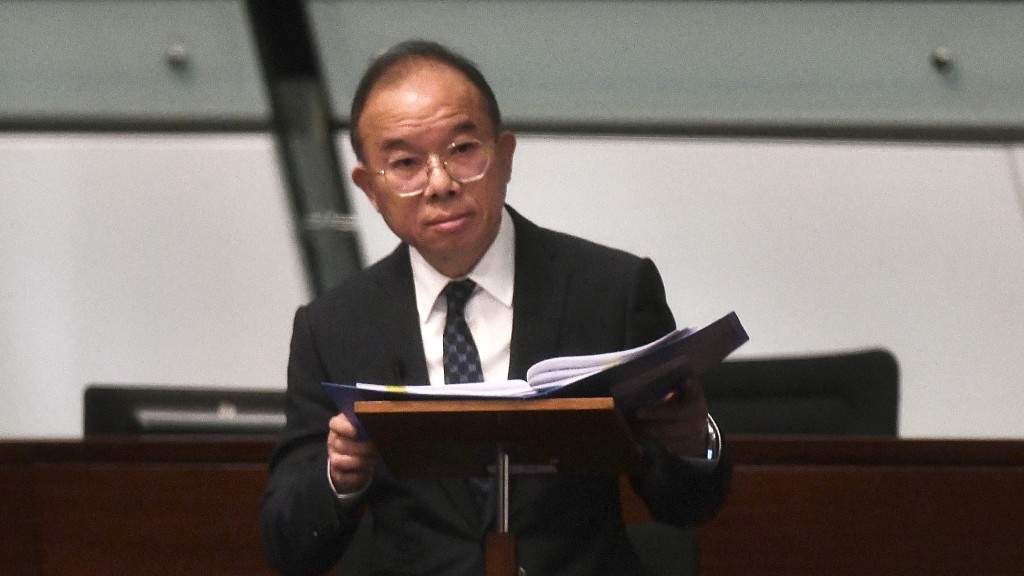
The Legislative Council (LegCo) voted against a bill proposed by the government aimed at establishing a registration system for same-sex partnerships. Secretary for Constitutional and Mainland Affairs Erick Tsang Kwok-wai expressed disappointment regarding the result, emphasizing that the rejection does not represent any impact or influence on the rule of law, but serves as a demonstration of the sharing of responsibilities as well as mutual respect among executive authorities, the LegCo and the Judiciary.
The decision followed a nearly four-hour second reading debate, with 71 against, 14 votes in favor and one abstention. The outcome marked the first time a government bill was voted down in the current term of LegCo.
He noted that lawmakers are elected to represent public opinion, and the rejection of the bill indicated that there remain divergent opinions both within the Legislative Council and among the public. The issue of same-sex partnerships is highly controversial and needs additional time for further examination. He added that the government respects LegCo’s decision and will further discuss and study the issue with the Department of Justice.
Tsang added that the government has made every effort to gain support from both the public and lawmakers and has fulfilled its obligations within the timeframe set by the Court of Final Appeal. Although the result did not align with the government’s legislative proposal, Tsang said the process served as a positive example of how each branch of government fulfills its constitutional duties under the Basic Law.
He confirmed the government will not apply to the court for an extension of the suspension period for the implementation of the alternative framework for same-sex couples to have their marital relationship recognised and to give them appropriate rights.
Tsang acknowledged that advocacy groups focused on LGBTQ+ rights may be disappointed by the outcome. However, he urged the public to approach the result rationally, noting that differing opinions are natural in an inclusive society like Hong Kong.
Aiming at granting same-sex couples registered overseas the right to make medical decisions and handle post-death arrangements, the bill stemmed from a Court of Final Appeal ruling in 2023, which mandated that the government establish a legal framework for recognizing same-sex relationships by October 2025.
During the debate on Wednesday (Sep 10), Brave Chan Yung -- a lawmaker of the Democratic Alliance for the Betterment and Progress of Hong Kong (DAB) -- voiced strong opposition to the bill.
He argued that its passage could undermine traditional marriage, family values, and societal stability. He cautioned that the bill might be interpreted as a form of recognition for same-sex marriage and emphasized the importance of upholding traditional institutions while respecting diversity.
He suggested that policy adjustments—rather than legislation—could address practical and livelihood concerns of same-sex couples.
Lawmaker Junius Ho Kwan-yiu criticized the government for not rejecting the minority's demands, arguing the court ruling conflicts with the Chinese Constitution and that heterosexual marriage must be affirmed.
In contrast, lawmaker Martin Liao Cheung-kong expressed support for the bill, highlighting its role in protecting the rights of same-sex partners in critical areas such as medical decision-making and post-death arrangements. Liao described the bill as a balanced and minimal standard that reflects a compromise among diverse societal views.
Another lawmaker Adrian Pedro Ho King-hong stressed the importance of upholding the rule of law and the court's ruling, noting that Hong Kong should demonstrate inclusivity and respect for diverse sexual orientations as an international metropolis.
The bill was first gazetted by the government on July 11, with its first reading taking place on July 16. Deliberations in the bills committee followed from July 23 to 28.
Opposition to the bill has also been voiced by several other political groups, including the Hong Kong Federation of Trade Unions, the Business and Professionals Alliance for Hong Kong, the Liberal Party, and the DAB.
(Updated at 10.12pm)