Read More








HK movie producer Raymond Wong Pak-ming convicted of insider dealing
22-05-2026 17:10 HKT

Swire Properties wins compulsory auction for $2.02b Quarry Bay property
22-05-2026 20:36 HKT


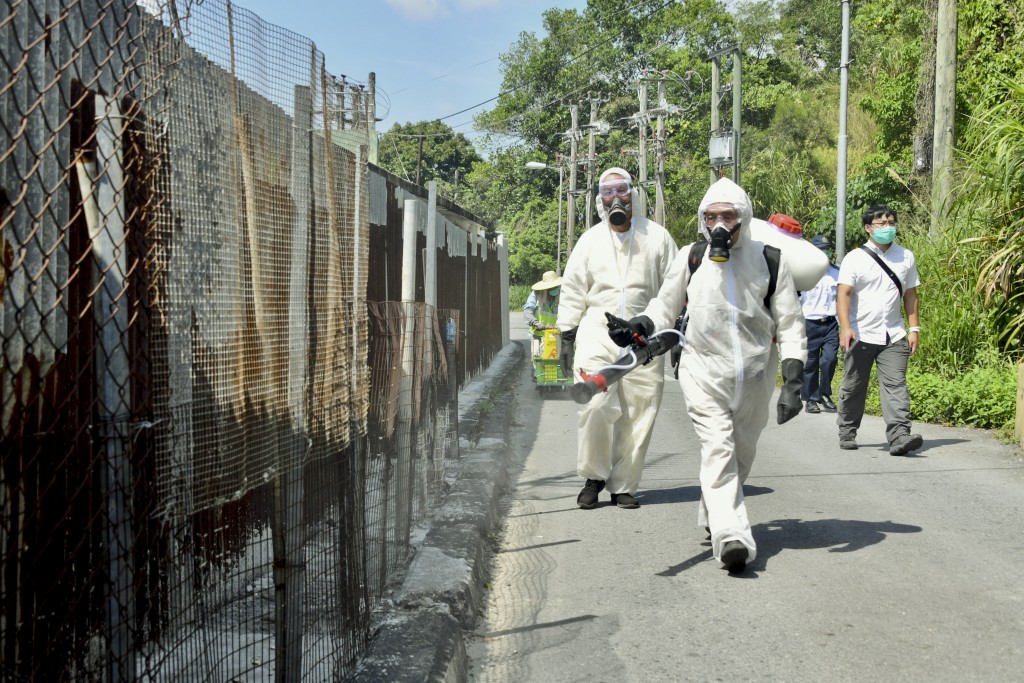
Health authorities are raising alarms as Chikungunya fever, a mosquito-borne disease, spreads across parts of mainland China, with Hong Kong reporting its first suspected imported case on Saturday.
The World Health Organization has warned that the virus could trigger a wider epidemic, prompting experts to urge public vigilance.
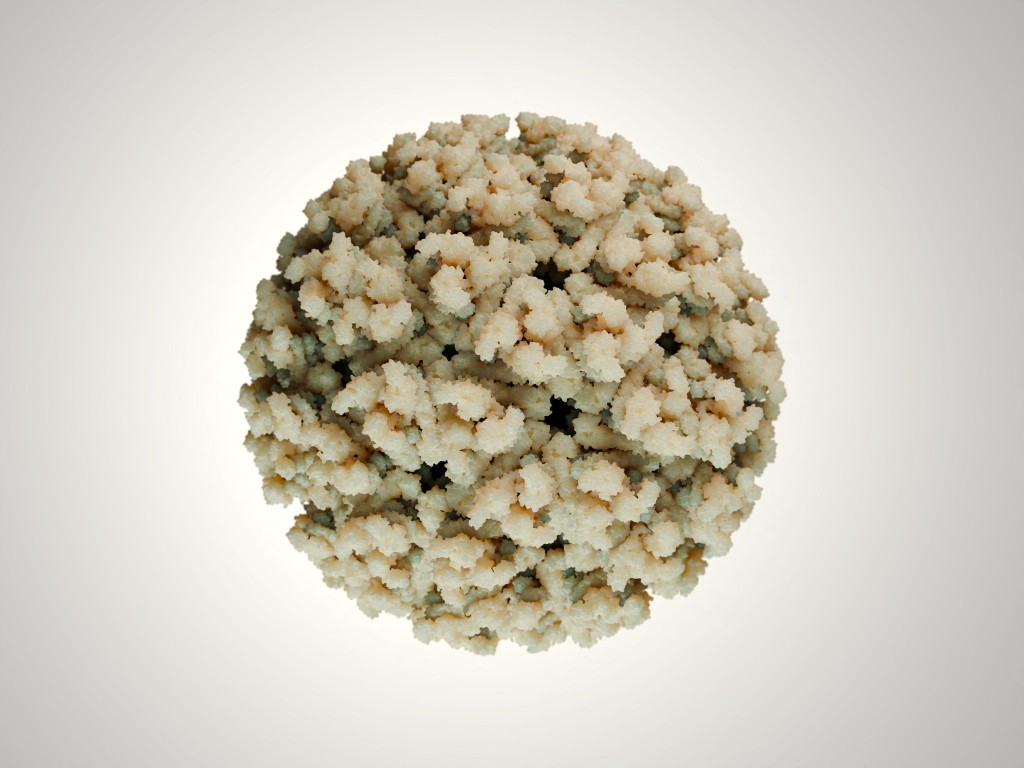

Professor Lau Yu-lung, Chairman of the Scientific Committee on Vaccine Preventable Diseases and a leading pediatrics expert at the University of Hong Kong, explains that Chikungunya fever is caused by a virus transmitted primarily through mosquito bites.
When an infected person is bitten by a mosquito, the insect can carry the virus and spread it to others. While the disease is not new—having previously surfaced in Thailand, the Caribbean, Singapore, Indonesia, and Brazil—its high infection rate means outbreaks can affect large populations quickly.
Lau estimates that in areas like Shunde, China, between 30 percent and 70 percent of residents may already be infected.
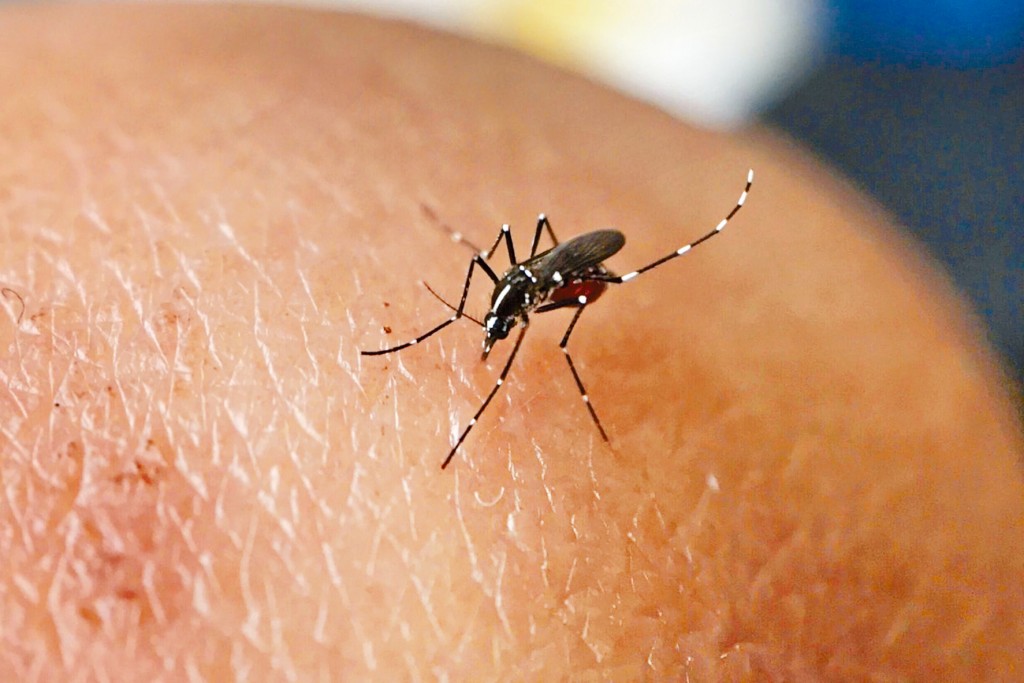
In Hong Kong, the primary concern is the Aedes albopictus mosquito, commonly known as the Asian tiger mosquito, which thrives in the region and can transmit the virus.
Unlike the Aedes aegypti mosquito, which is absent in Hong Kong, the Asian tiger mosquito is active during the day, particularly in the early morning and evening. In rare cases, the virus can also pass from mother to child during birth.
Symptoms of Chikungunya fever are typically milder than those of dengue fever but can include fever, severe joint pain, a full-body rash, fasciitis, and an intense itching or burning sensation.
Doctors diagnosing the illness often consider a patient’s recent travel history. While most cases do not require hospitalization, infants, the elderly, and those with weakened immune systems may need medical attention.
Some patients may also experience lingering joint pain resembling arthritis months after infection, though this is less common.
There is currently no specific antiviral treatment for Chikungunya fever. Medical care focuses on relieving symptoms, such as using pain relievers and anti-inflammatory drugs for joint pain.
In cases where chronic arthritis-like symptoms persist, doctors may prescribe medications like methotrexate.
Recovery varies, with younger individuals typically bouncing back faster, while those over 40 or with pre-existing joint conditions may face a longer recovery.
Although a chikungunya vaccine is available in the U.S. for high-risk travelers, it has not yet been approved for use in Hong Kong.
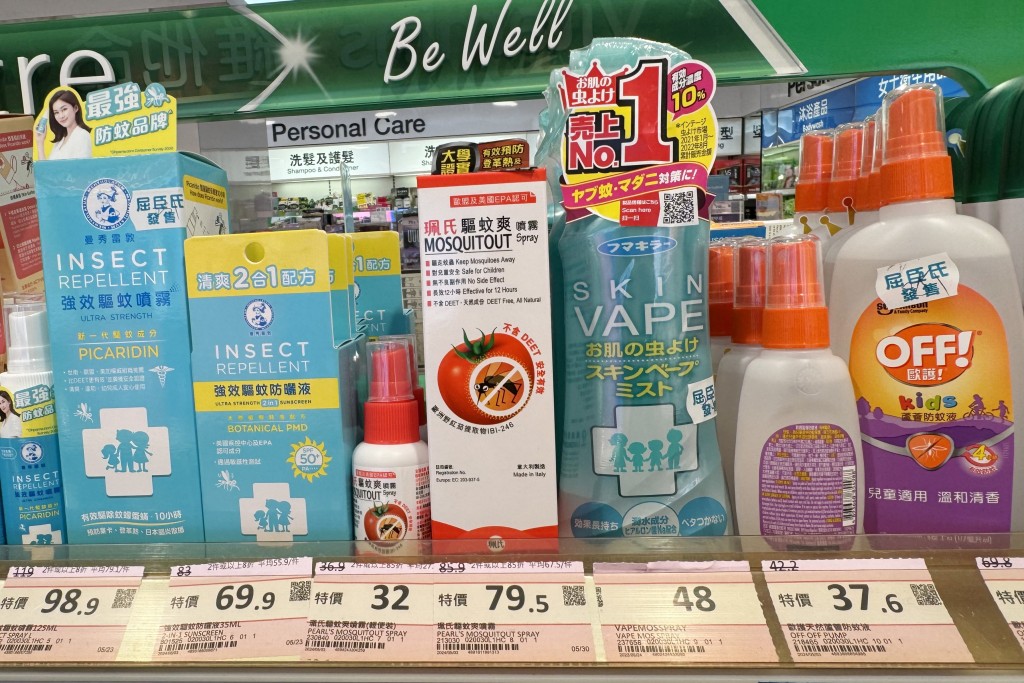
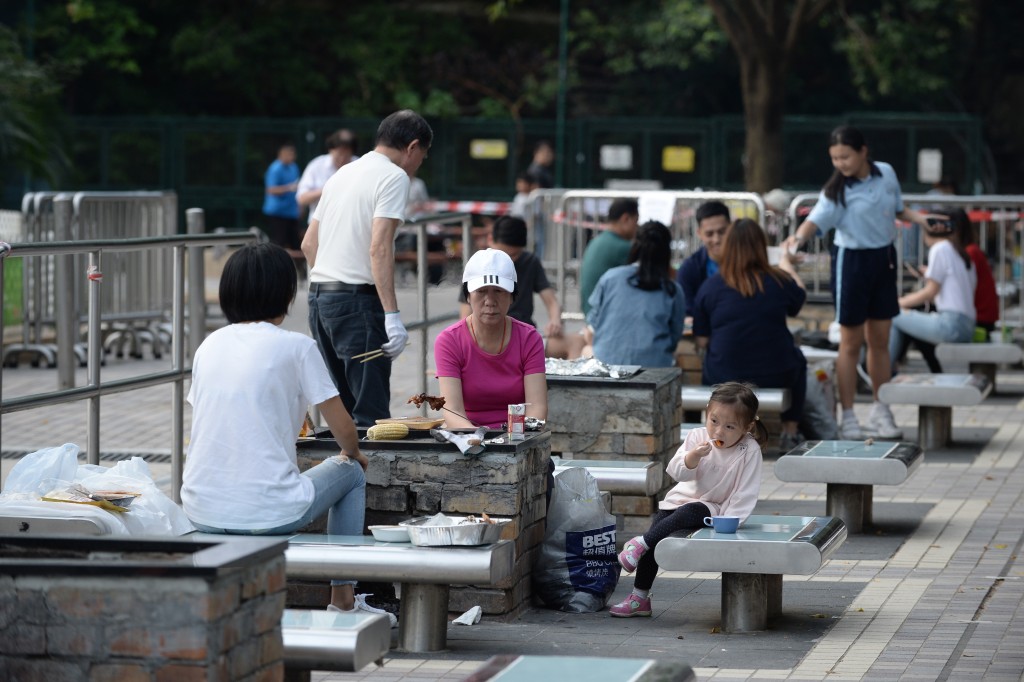
To prevent infection, health experts emphasize avoiding mosquito bites.
The Hong Kong Centre for Health Protection advises wearing loose, light-colored clothing that covers the arms and legs, as well as applying insect repellent containing DEET to exposed skin.
Pregnant women can use repellents with up to 30 percent DEET, while children over six months old should use formulas with no more than 10 percent concentration.
When outdoors, people should avoid heavily scented cosmetics, which can attract mosquitoes, and reapply repellent as needed. If using both sunscreen and insect repellent, sunscreen should be applied first.
Equally important is eliminating mosquito breeding sites. Residents should regularly remove stagnant water from flower vases, avoid using trays under potted plants, and ensure water storage containers are tightly sealed.
Air conditioner drip trays should be checked for standing water, and discarded containers should be placed in covered bins.
Proper food storage and waste management also help reduce mosquito populations.