Read More





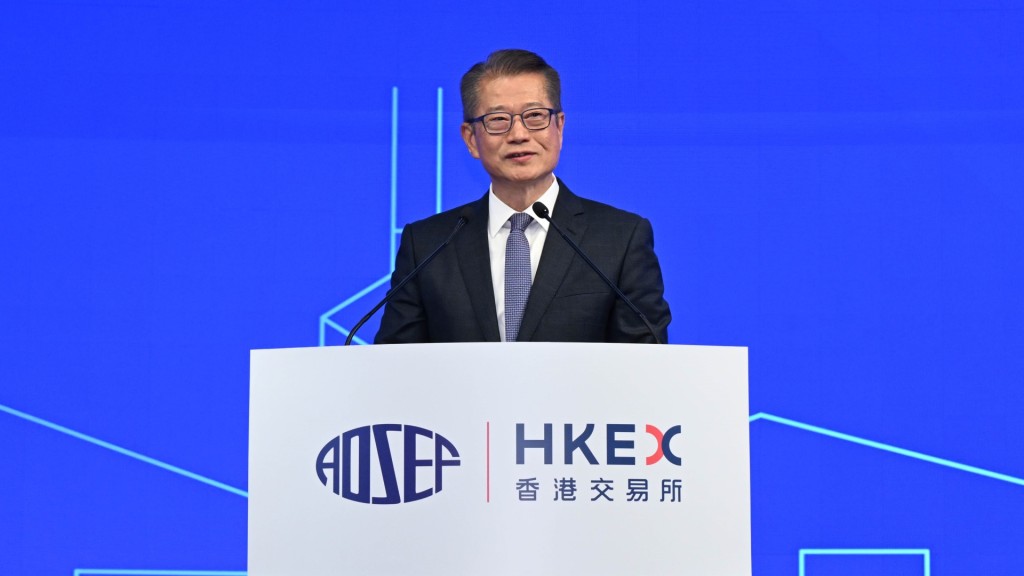




The Hong Kong Sports Institute (HKSI) and the Faculty of Medicine at The Chinese University of Hong Kong (CUHK) have signed a memorandum of understanding to strengthen sports medicine support for elite athletes.
HKSI vice chairman Vincent Cheng Wing-shun described the partnership as a "major milestone" in advancing sports medicine. Under the agreement, CUHK medical experts will provide regular orthopedic consultations at HKSI, elevate the quality of sports medicine services, conduct joint research in sports medicine and science, establish an expert network, and enhance professional training and exchanges.
Under Secretary for Culture, Sports and Tourism, Raistlin Lau Chun emphasized that the government is committed to promoting the development of sports in Hong Kong through promoting sports in the community, supporting elite sports, promoting Hong Kong as a centre for major international sports events, enhancing professionalism and developing sports as an industry.
He noted that the collaboration aligns with the government's focus on advancing sports medicine and science, laying a strong foundation for long-term cooperation in the field.
Hong Kong's elite athletes also highlighted the critical role of medical support in their success.
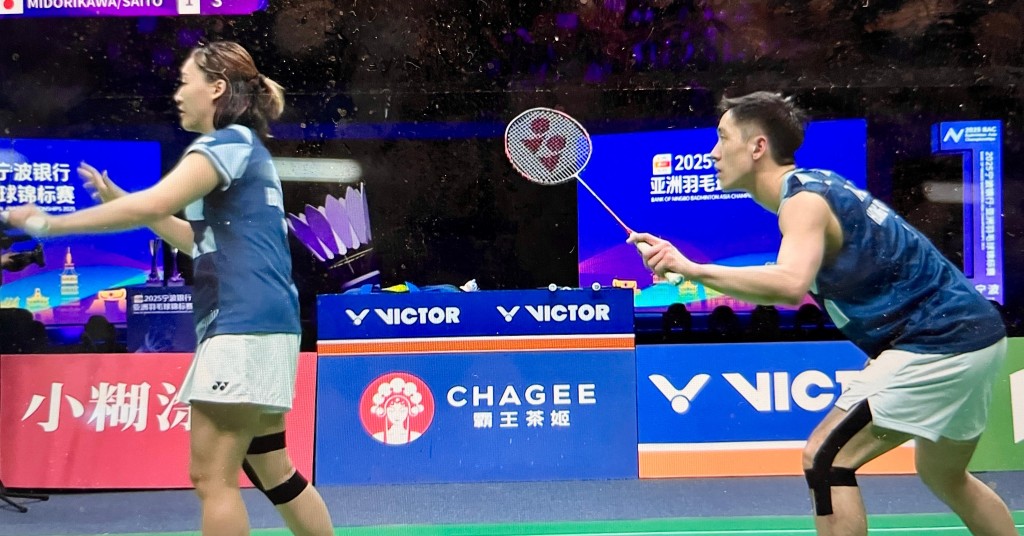
Badminton star Tse Ying-suet, who recently won silver in mixed doubles at the Singapore Open, shared her struggles with a knee injury and drug allergies before the German Open last year. She mentioned that there were times when she couldn't even get out of bed or go to the toilet.
Thanks to the medical team’s intervention, she recovered in time to compete and ultimately clinched gold. She acknowledged that behind every medal is the hard work of the entire medical team.
Former gymnast and Asian Games vault gold medalist Shek Wai-hung, now a coach for Hong Kong’s women’s gymnastics team, discussed how medical support was pivotal during his career.
He explained that many athletes and coaches don’t fully understand how injuries occur. The medical team’s scientific analysis and support allow coaches to better tailor training programs based on athletes’ conditions.