Read More





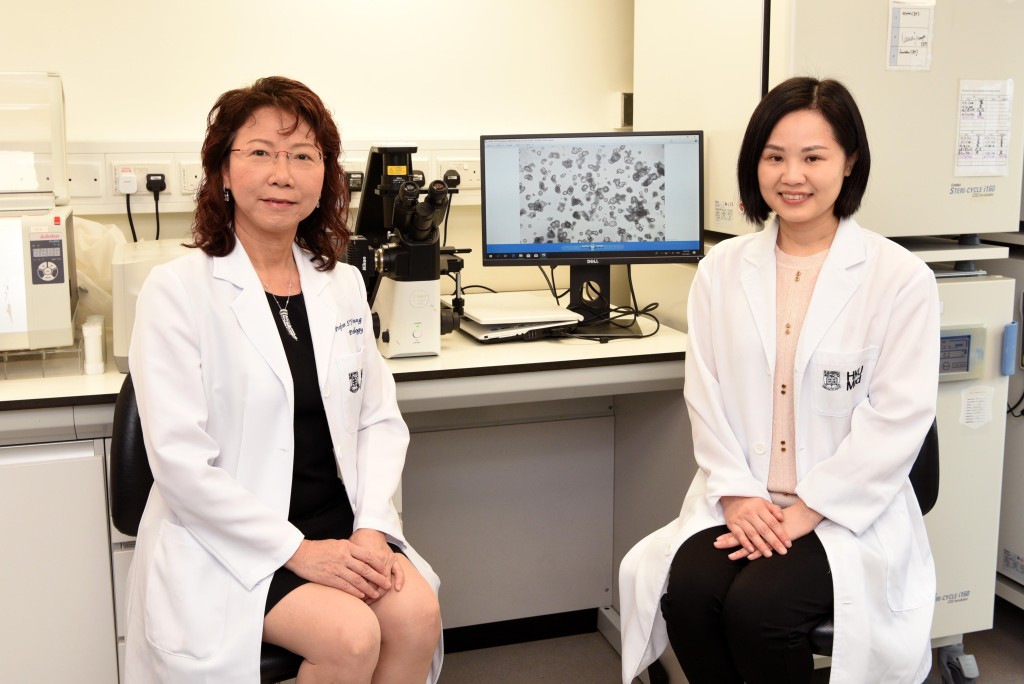
Researchers at the University of Hong Kong created the world’s first biobank of “intestinal metaplasia” organoid models to study early stomach cancer development, facilitating early detection to assist in screening high-risk populations.
Intestinal metaplasia, or IM, refers to the transformation of stomach cells into a state resembling intestinal cells, significantly increasing the risk of developing stomach cancer, though the underlying process remains unclear.
While around 10 percent to 25 percent of people globally are IM patients, Assistant Professor Helen Yan Hoi-ning from the Department of Pathology at HKUMed noted that only 1 percent to 3 percent of them progress to stomach cancer. Thus, it is crucial to develop methods for accurately identifying high-risk individuals to enable early prevention and treatment.
By collecting tissue samples from 47 stomach cancer patients at Queen Mary Hospital, the HKUMed team created 70 organoids, which included 28 IM organoids and 42 normal organoids.
The study found that IM organoids contain “hybrid” cells exhibiting characteristics of both stomach and intestinal cells, with the ability to partially transform into various cell types, resembling the adaptive behavior of cancer cells.
Additionally, researchers identified that IM cells often have chromosome 20 gain and can grow without attaching to a surface. These traits are associated with cancer cells that facilitate tissue spread.
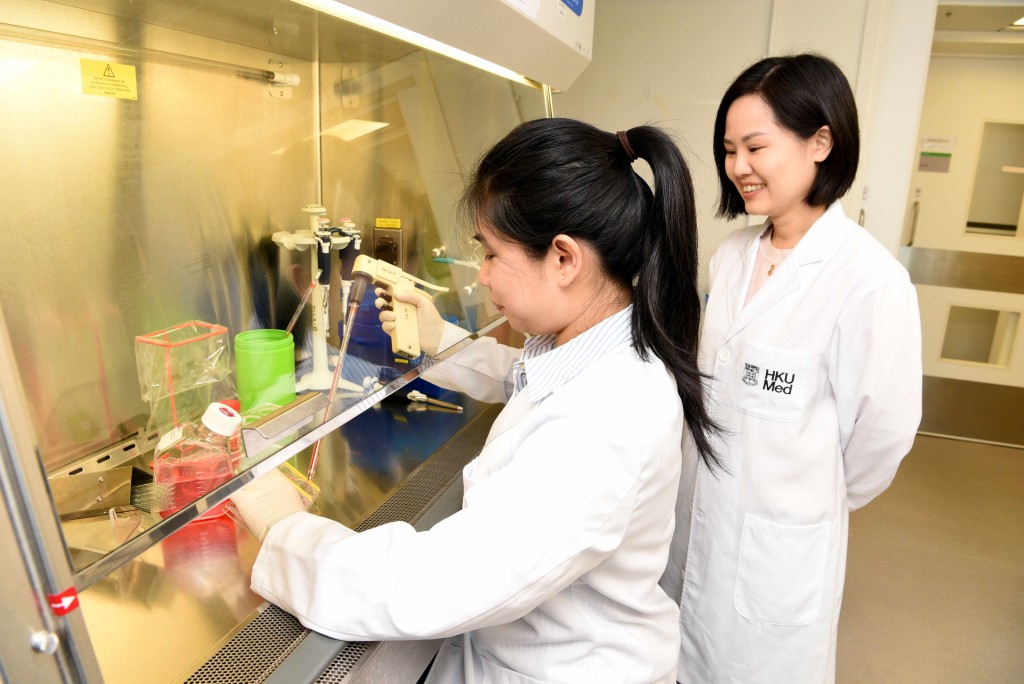
“Using organoid technology, we can identify early changes when stomach cells become pre-cancerous. This can help clinicians assess which patients are at high risk of developing stomach cancer and reassure those with IM who are at lower risk,” said Yan, also a co-leader of the study.
“Our goal is to accelerate the detection of these early signs and introduce this technology to clinics for better risk assessment,” she stated.
Leung Suet-yi, Chairperson of the Department of Pathology at HKUMed, said: “With a living cell model now available, the potential for drug development to reverse IM becomes increasingly achievable.”
“These breakthroughs provide new hope in the fight against stomach cancer, potentially transforming patient outcomes and clinical practices,” she noted.
Currently, the research team is collaborating with researchers from the United Kingdom and the United States by using genomic sequencing techniques to analyze gastric mucosal tissues from stomach cancer and non-cancer patients in Hong Kong, the UK, and the US, aiming to enhance screening methods.
(Cheng Wong)