Read More

Morning Recap - July 22, 2026
3 hours ago
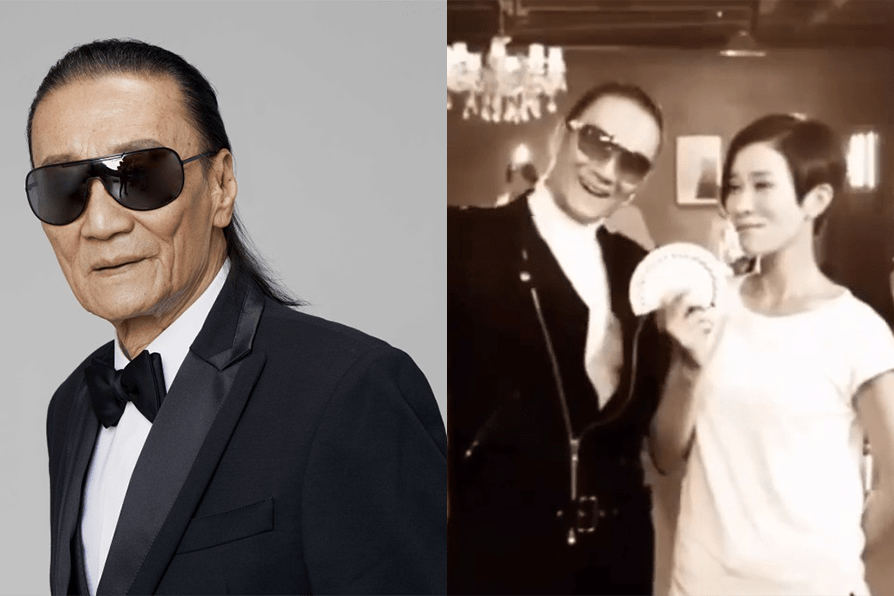
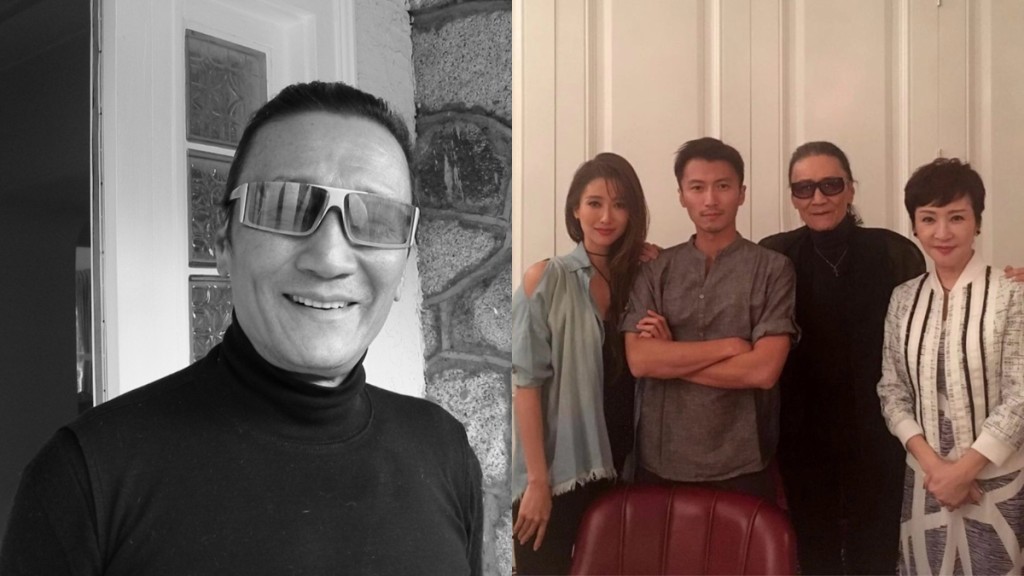

Deborah Lee breaks silence after Patrick Tse’s death
20-07-2026 21:00 HKT


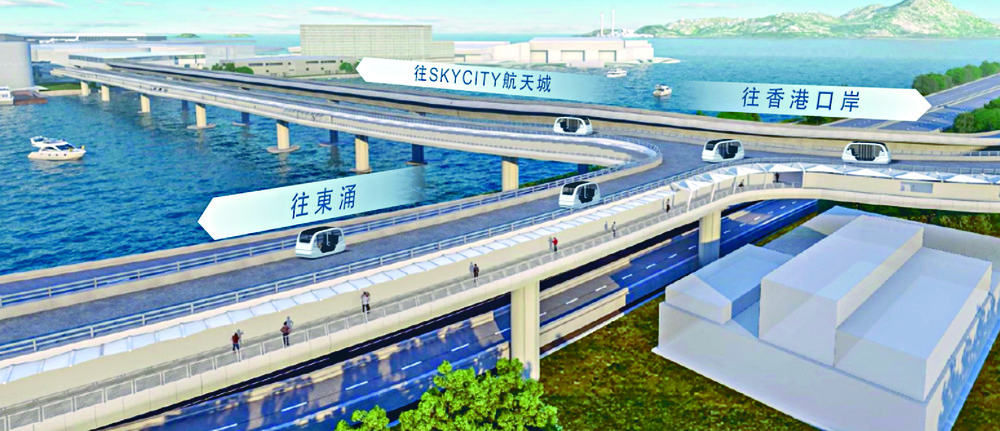
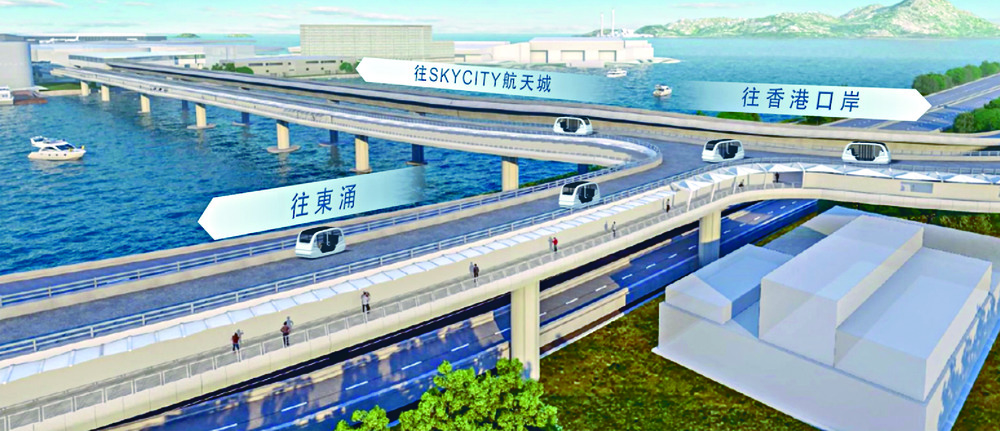
The Airport Authority proposes to develop a system of unmanned vehicles running between the airport island, Tung Chung and the Hong Kong-Zhuhai-Macao Bridge border point, to be completed by 2027-28.
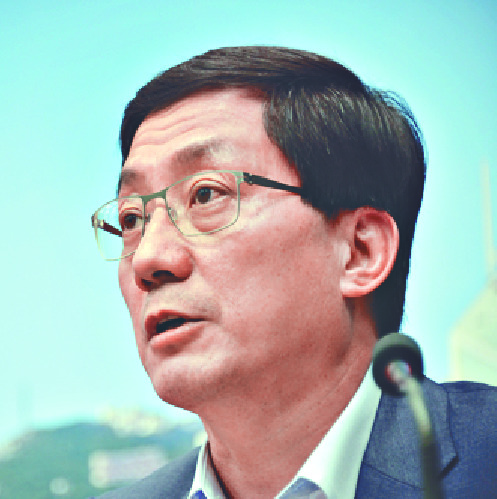
The Airport Authority's chief executive, Fred Lam Tin-fuk, also said reclamation for the third runway is expected to be completed by the end of the month within its budget at HK$141.5 billion and will be in operation in 2022.
The Three-Runway System will be in service in 2024 after the maintenance of North Runway is done, he said.
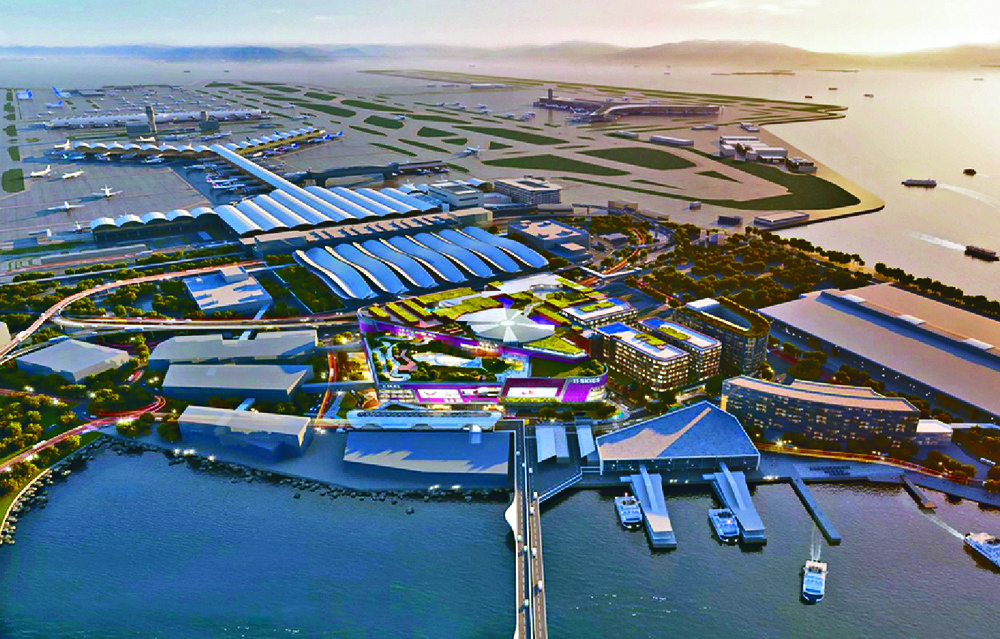
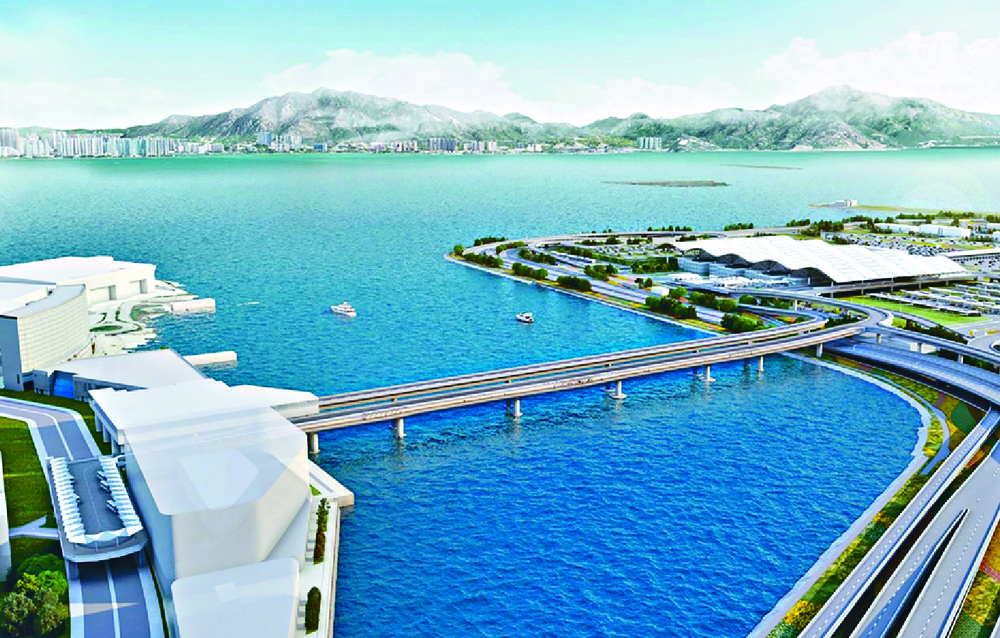
Lam said yesterday the Airport City development, a 10-year blueprint through 2030 of more than HK$40 billion, includes a plan to build a vehicular and pedestrian bridge, Airport City Link, to connect the Hong Kong Boundary Crossing Facilities Island of the Hong Kong-Zhuhai-Macao Bridge and Skycity.
The authority also plans to introduce an autonomous transport system to the Airport City Link in 2024, and will extend the system to Tung Chung town center in 2027-28.
The system is expected to take 5,000 passengers an hour.
But the authority said the system won't be able to operate until there is a law for autonomous driving in Hong Kong.
Lam said the world's largest automated car park will be built on the island to offer 6,000 parking spaces, with the first phase expected to completed at the end of 2022.
The Park and Fly area will transfer passengers from the mega bridge, who can get to boarding gates from the restricted area on the island via another enclosed bridge to the airport's Intermodal Transfer Terminal, without having to go through immigration procedures in Hong Kong.
The other Park and Visit area will link with Skycity, allowing visitors to head there or to other parts of Hong Kong.
This year's Policy Address also said the Airport Authority will invest in Zhuhai Airport on the basis of market principles to reinforce its advantage in aviation.
Lam said the Hong Kong International Airport has no intention to become the largest shareholder of the Zhuhai Airport but it hopes to take part in its development. He also believed in a reasonable return for the investment.
"Our goal is not only to complement each other on the basis of our existing flight networks, but set our sight on over 160 airports in the mainland, which have no international border facilities, and over 130 new airports under construction," Lam said.
"We aim to attract passengers from those markets to Zhuhai Airport, and onward to Hong Kong International Airport via Hong Kong-Zhuhai-Macao Bridge for international air travel. This is an enormous potential source of passengers.
"In parallel, strengthening collaboration with Zhuhai will extend our air cargo services to the broader inland markets. These new sources of business will benefit our business partners, in particular the airlines and logistics industry."
The authority said Skycity is an integral part of the Airport City development, with "11 Skies" to be completed in phases from 2022 to 2025. It will be a complex for 800 retail stores, 120 eateries and the city's largest indoor entertainment area.
Also in "11 Skies" will be three Grade A office buildings and the 1,200-room Regala Skycity Hotel to be completed next year by Regal Hotels International.
AsiaWorld-Expo will also go through phase II development for indoor performance halls for 20,000 spectators.
The authority is developing a logistics center with Alibaba Group's subsidiary Cainiao network to add 1.7 million tonnes of annual cargo volume when it begins operation in 2023, while the expansion of DHL's Central Asia Hub is expected to increase its capacity by 50 percent to 1.06 million tonnes.
An HKIA Logistics Park in Dongguan and a cargo facility will be set up on reclaimed land to further pump up cargo handling volume.
Lam expected by 2035, the airport will handle passenger volume of 120 million people and air cargo volume of 10 million tonnes a year.