Read More
Secretary for Environment and Ecology Tse Chin-wan announced on Monday that Hong Kong's air quality has shown substantial improvement, with pollution levels at drainage outlets in three key areas reduced by 90 percent.
ADVERTISEMENT
SCROLL TO CONTINUE WITH CONTENT
During the Panel on Environmental Affairs meeting, Tse highlighted the government's successful efforts in enhancing both air and water quality across the region. He noted that the concentration of air pollutants has steadily decreased, reaching the lowest levels since the handover.
In a comparative analysis with 2004, Tse pointed out that the annual average concentration of major air pollutants last year decreased significantly, ranging from 40 percent to 90 percent.
Furthermore, pollution levels at stormwater drains along Victoria Harbour, specifically in the Tsuen Wan, Sham Shui Po, and Kowloon City districts, have been reduced by nearly 90 percent. This has also led to a noticeable improvement in the nearshore odor in these waterfront areas.
Under the current administration, Tse emphasized the government's commitment to waste reduction at the source and the expansion of the recycling network. This approach has successfully reversed the rising trend of waste disposal volume, with the average daily disposal of municipal solid waste (MSW) decreasing by 7.5 percent over the past three years compared to 2021.
In terms of waste management, the Environmental Protection Department (EPD) is actively developing a modern and efficient network of waste-to-energy (WtE) facilities.
This includes the Integrated Waste Management Facilities Phase 1 (I·PARK1), under construction near Shek Kwu Chau, expected to begin operations in 2025 with a capacity to handle 3,000 tonnes of MSW per day.
Additionally, plans for the Integrated Waste Management Facilities Phase 2 (I·PARK2) are underway, which will approximately double the handling capacity to about 6,000 tonnes per day.
To meet the short- to medium-term needs of MSW management, there is also a plan to moderately expand the North East New Territories Landfill and the West New Territories Landfill.
Tse also mentioned potential amendments to the subsidiary legislation under the Waste Disposal Ordinance to incorporate I·PARK1 and the landfill expansions into the Waste Disposal (Designated Waste Disposal Facility) Regulation. This amendment will grant the EPD the authority to monitor and regulate these facilities.
Additionally, the landfill expansion will be included in the Waste Disposal (Charges for Disposal of Construction Waste) Regulation to manage payment accounts and collect related fees for the disposal of construction waste.
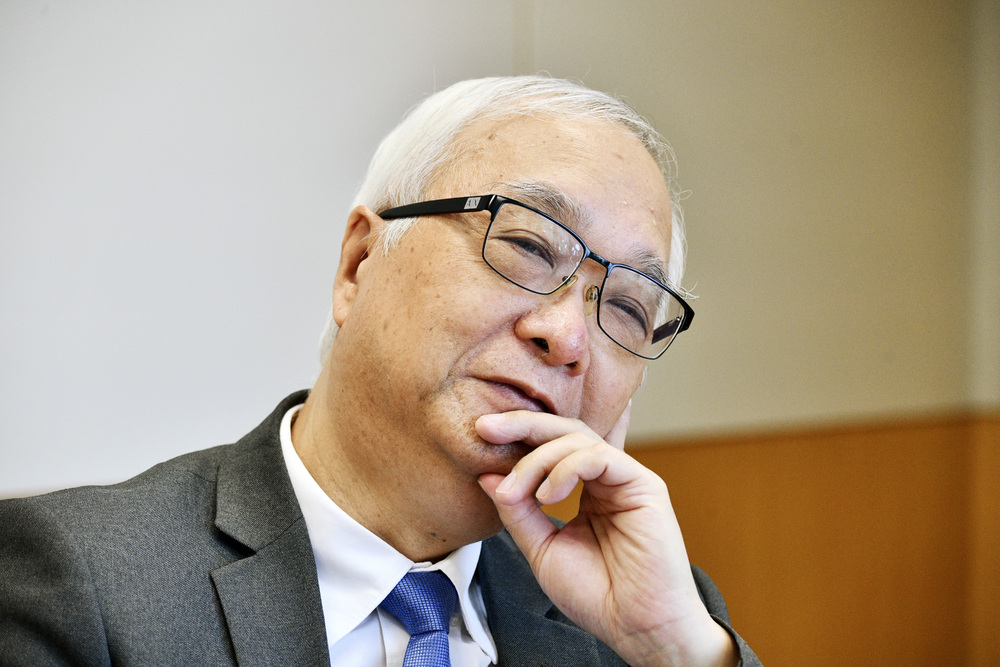
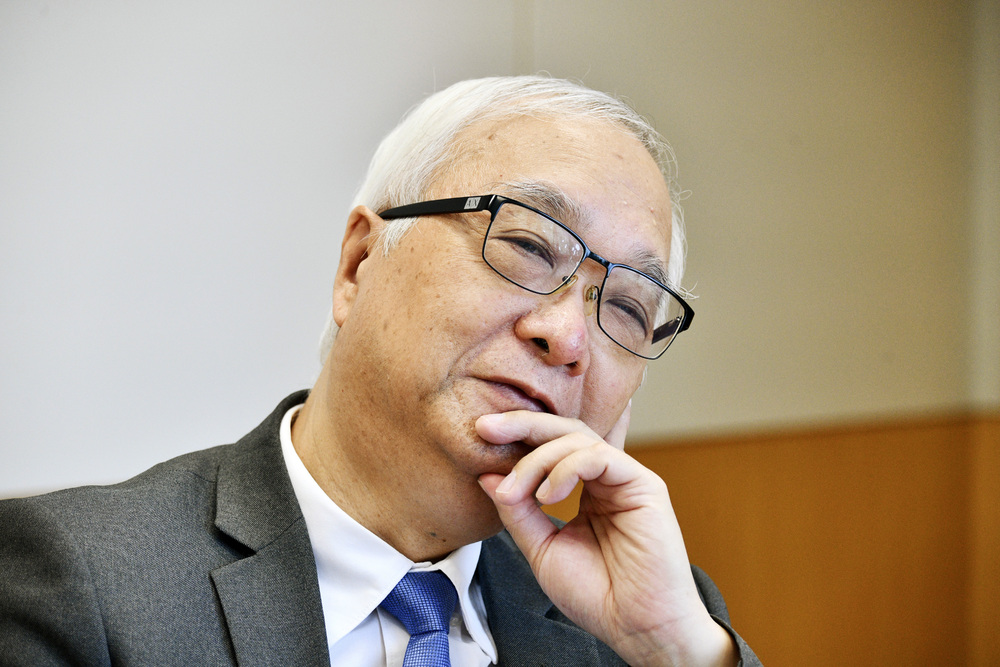
(Tse Chin-wan)