Read More




Night Recap - May 8, 2026
3 hours ago






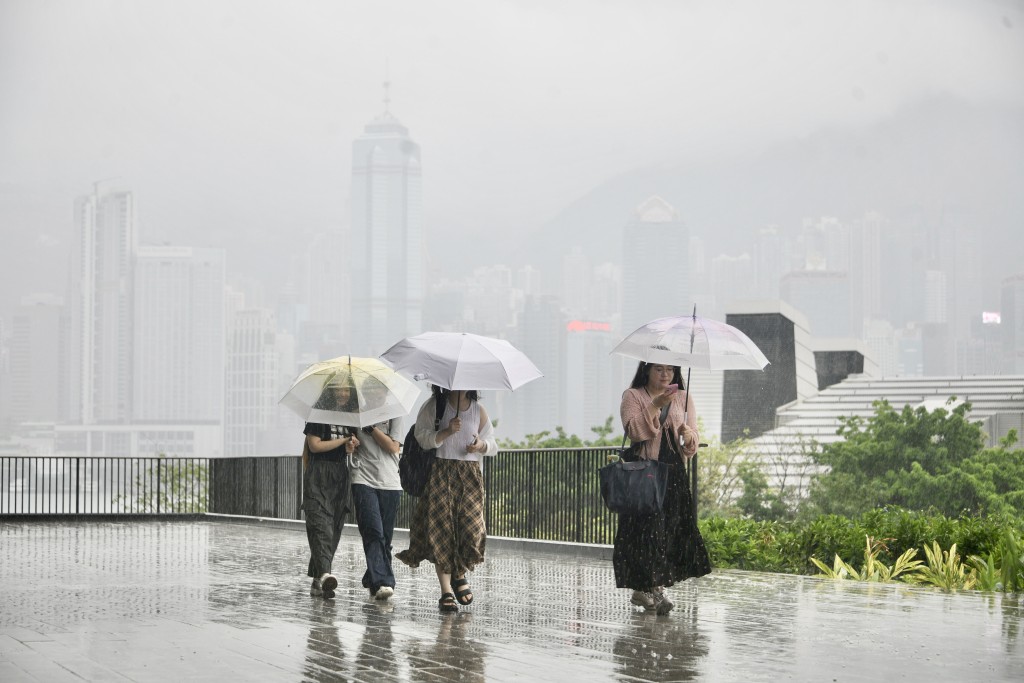
Weekend showers and cooler weather ahead, Observatory says
07-05-2026 18:01 HKT



Hong Kong could enter this year’s typhoon season as early as June, with five to eight tropical cyclones expected to come within 500 kilometers of the city, said the Director of Hong Kong Observatory Chan Pak-wai.
The season is likely to end in October or later, he added during the observatory’s annual media briefing on Tuesday.
Chan also addressed concerns about a potential major earthquake in Japan this summer, a popular destination for Hong Kong travelers.
While the observatory is monitoring the situation and has set up a dedicated website for updates, Chan stressed that earthquakes are unpredictable.
“We can only stay vigilant and monitor updates from Japan’s meteorological agencies,” he said.
Seismic waves from a distant earthquake would likely weaken before reaching Hong Kong, though minor tsunamis remain possible, Chan noted.
He advised residents to take precautions, such as seeking shelter under sturdy furniture or moving to open spaces during an earthquake.
The observatory chief highlighted the impact of global warming, with 2024 being the warmest year on record.
Hong Kong experienced above-average temperatures for 11 months last year, with April and October hitting record highs.
The city’s annual average temperature reached 24.8 degrees Celsius.
Despite the warming trend, annual rainfall is expected to remain near normal, ranging between 2,100 and 2,700 millimeters.
However, Chan warned of potential heavy rain and localized flooding, urging residents to prepare for the wet season.
Chan said the observatory is upgrading services.
Radar images within 128 and 256 kilometers will now refresh every six minutes, up from 12 minutes, while new low-altitude rainfall data will be added.
Satellite imagery from the Fengyun-4B satellite, covering western Asia, will also be updated every 15 minutes instead of hourly.
New features include full-day visible light satellite images and aerosol optical depth maps from South Korea’s GK-2B satellite, improving weather and visibility monitoring over southern China and the northern South China Sea.
Chan also announced plans to introduce graphical rainfall displays and trial short videos featuring forecasters explaining weather changes.
(Ayra Wang)