Read More





Night Recap - October 27, 2026
1 hour ago






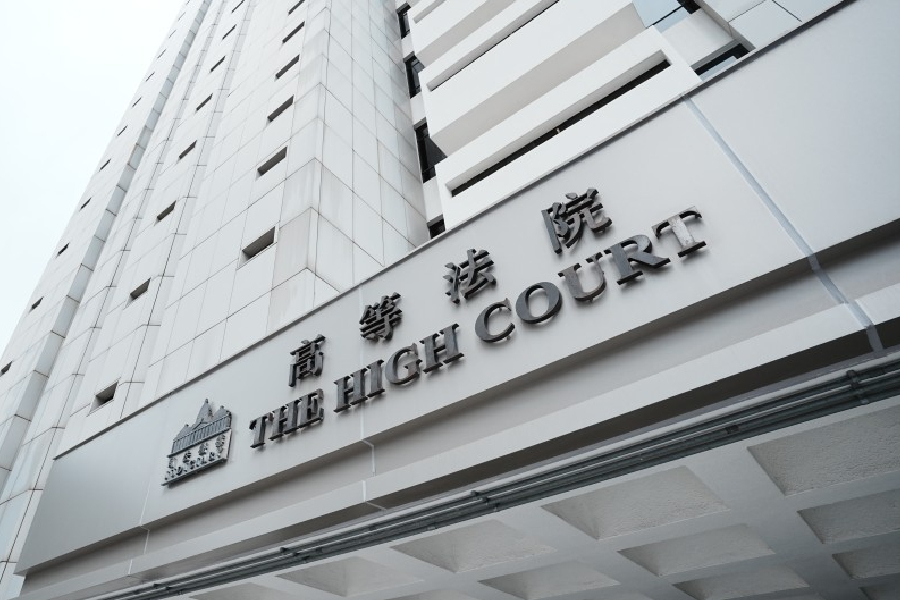
Office lottery dispute leads to High Court lawsuit over $33m prize
26-10-2026 17:24 HKT




The Consumer Council identified a lack of transparency between patients and private medical services, noting that many pricing details are inadequate and difficult to understand.
A survey released by the council on Thursday regarding private healthcare services found that price disclosures of these private services are often unclear, with some fee schedules not listing charges for doctors and not disclosing the pricing criteria for these charges.
From 2021 to 2024, the council recorded 191 complaints involving over HK$7.2 million related to private hospitals and day procedure centers, with price or charge disputes being the main reason for complaints.
The study found significant price disparities among different private hospitals. For instance, the cost of in-patient hemorrhoidectomy treatment varied by as much as 152 percent between hospitals.
Even within the same institution, charges for the same treatment could differ by 50 percent to 60 percent.
The council also indicated that the pricing mechanisms of private hospitals and day procedure centers are unclear.
Some fee schedules from these institutions typically do not include doctors’ fees, and there is minimal to no disclosure of pricing standards for consumers. For instance, some patients were informed that if they claimed surgery costs through insurance, they would have to pay an additional HK$6,000.
The study also highlighted the ambiguity about who is responsible for explaining pricing information.
Given that some patients received bills that exceeded the budget estimates by HK$60,000 to HK$70,000, both hospitals and doctors shifted responsibility, with hospitals attributing costs to doctors and doctors claiming prices were set by the medical group, leaving patients unable to recover the difference.
In terms of medical packages, among 13 private hospitals, the study found that seven offered package pricing for six or fewer types of treatments, one hospital provided packages for up to 26 treatments and another offered packages for just two types of treatment.
The council noted that this wide variety of package options complicates price comparison for consumers.
To enhance price transparency and build consumer trust, the council proposed five recommendations.
It suggested that private medical institutions upload price lists online so that the government could establish guidelines for these lists and medical packages, specifying essential information for disclosure.
Additionally, the council advised optimizing the regulatory framework for pricing, improving mechanisms for handling billing disputes, and strengthening consumer education.
Tim Pang Hung-cheong, an advocate from the Society for Community Organization, stated patients can inquire or file a complaint if they encounter unfair charges from private medical institutions.
If patients are dissatisfied with their response or handling, they can escalate the complaint to the Committee on Complaints against Private Healthcare Facilities.
To reduce disputes, Pang suggested patients clarify the estimated costs before undergoing medical procedures and request a written breakdown.
If there are unclear charges at the time of payment, patients can ask for a detailed list.
He noted patients have the right to clarify their concerns regarding treatment results or serious issues before making any payment.
(Cheng Wong)