Read More




HK movie producer Raymond Wong Pak-ming convicted of insider dealing
22-05-2026 17:10 HKT
Swire Properties wins compulsory auction for $2.02b Quarry Bay property
22-05-2026 20:36 HKT


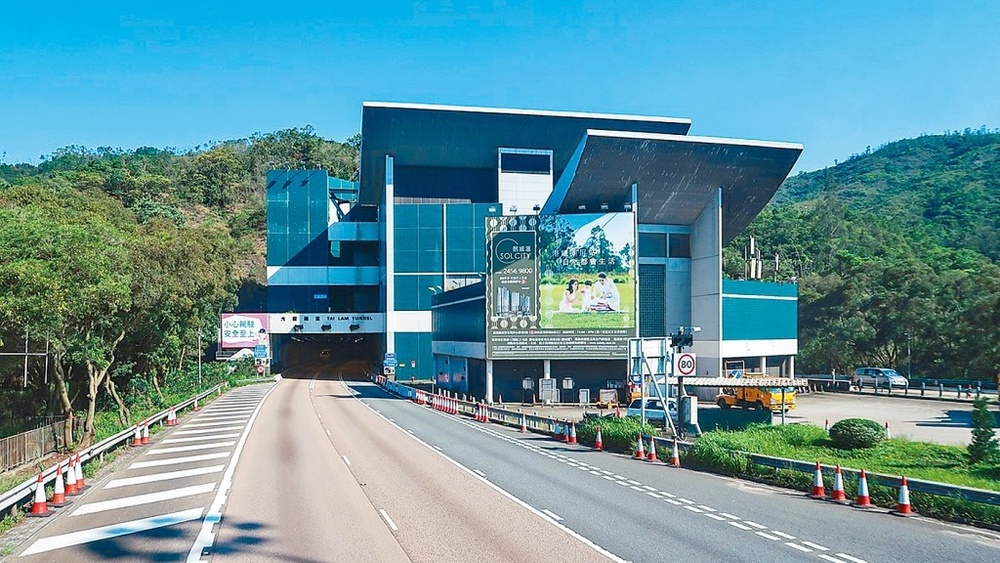
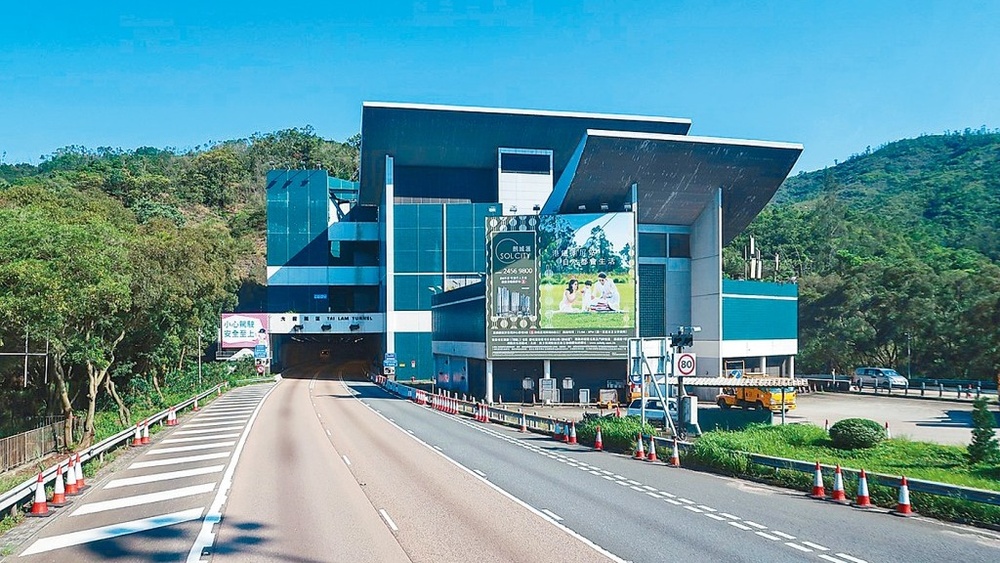
The government’s proposed time-varying toll plan for the Tai Lam Tunnel has been passed by the Legislative Council on Thursday, receiving support from 82 lawmakers with no opposition.
Roundtable lawmaker Michael Tien Puk-sun abstained from the vote after proposing amendments to the toll structure, suggesting that private cars, motorcycles, and commercial vehicles be charged a sectional fare only during morning and afternoon rush hours from Monday to Saturday.
He also advocated for a consistent HK$5 toll for taxis.
Tien's amendment was ultimately rejected, with only two lawmakers supporting it, while 59 opposed and 22 abstained.
He expressed his intention to help the government “straighten out” the toll charging mechanism, arguing that varied toll policies across different administrations undermine Hong Kong's long-term governance.
Criticism arose from lawmakers of the Democratic Alliance for the Betterment and Progress of Hong Kong (DAB) and the Federation of Trade Unions, who voiced fiscal concerns and equity issues.
DAB lawmaker Ben Chan Han-pan argued that abruptly eliminating tolls could lead to price hikes, calling such a move "unreasonable."
"A rational approach should involve adjusting fees according to demographic changes, confirming DAB's opposition to Tien's amendment," he said.
Lawmaker Michael Luk Chung-hung from the Federation of Trade Unions expressed partial agreement with Tien’s philosophy of reducing tolls but cautioned against aggressive cuts amidst the government's HK$100 billion budget deficit.
He questioned the fairness of "subsidizing tolls for mainly middle-class car owners with public funds," leading his party to abstain due to insufficient "communication time" to refine the proposal.
New Territories North lawmaker Gary Zhang Xinyu acknowledged the merits of Tien’s "scientifically rational" split-direction charging model, pointing out inconsistencies in the government’s peak-hour definitions.
Under Secretary for Transport and Logistics Liu Chun-san rejected Tien’s amendment, saying that the government’s "data-driven" proposal aims to optimize traffic flow while keeping tolls "as low as feasible."
He warned that the proposed revision could undermine efforts to alleviate congestion on nearby highways such as Tuen Mun Road, adding that the bureau plans to review tolls six months post-implementation.
The government is set to roll out the new fees on May 31 when it assumes control of the tunnel's operations.
Tolls for private vehicles will vary by time: HK$45 during peak hours, HK$30 during normal times, and HK$18 during off-peak hours on weekdays -- a reduction of 22 to 69 percent from the current HK$58 toll.
Motorcycles will be charged HK$7.20 to HK$18 based on similar time slots, while taxis and commercial vehicles will incur a flat all-day toll of HK$28 and HK$43, respectively.
Speaking after the legislature passed the bill, Secretary for Transport and Logistics Mable Chan thanked lawmakers and citizens for their support, adding that the new toll was determined based on science and traffic data.
“The massive drop in tunnel tolls will enhance the flow of traffic and people among Northwestern New Territories and urban areas. This is a move to benefit citizens and a policy rolled out after a comprehensive deliberation,” Chan said.
(Ayra Wang)