Read More





The Commerce and Economic Development Bureau proposed to introduce text and data mining exceptions in the SAR’s copyright laws to enhance protection for artificial intelligence technology development.
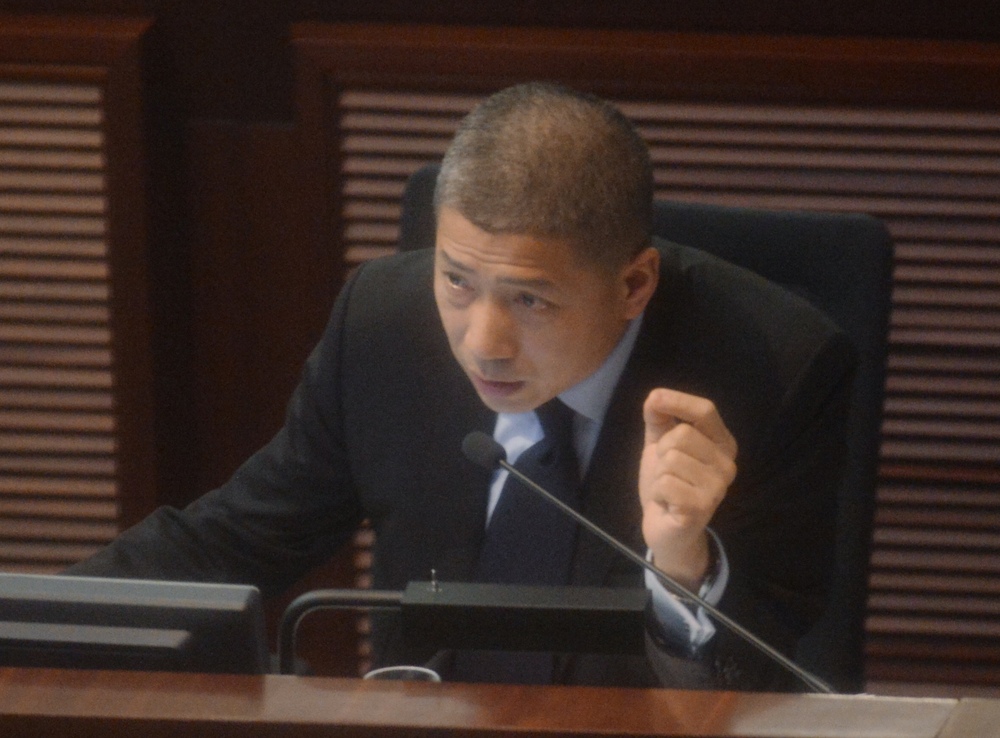
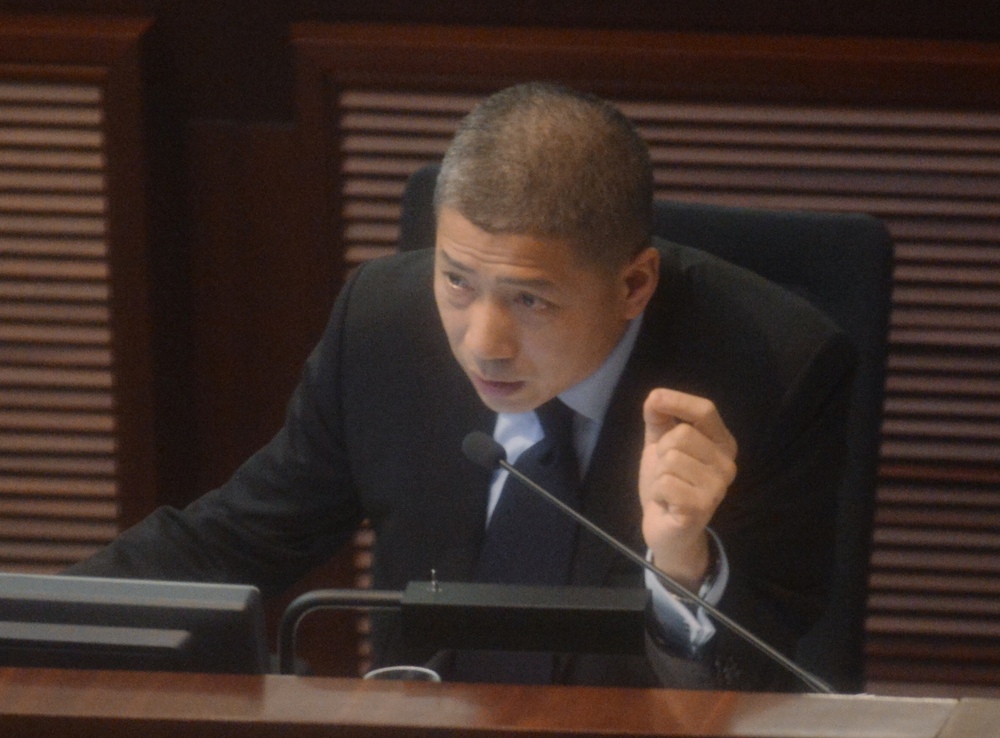
In a Legislative Council’s commerce, industry, innovation and technology panel meeting, Under Secretary for Commerce and Economic Development Bernard Chan Pak-li said the government has received 62 written submissions during the consultation period.
Except for copyright owners, most of the respondents, including the innovation and technology industry, intellectual property practitioners’ groups, the legal sector, chambers of commerce and industry bodies, support the introduction of the exception, the bureau said.
“Having considered the general support of most respondents for the introduction of the exception, we consider it necessary to introduce an exception to the Copyright Ordinance,” it added.
The exception will allow reasonable use of copyright works for computational data analysis and processing, and will be subject to restrictive conditions to comply with the international standard of the “three-step test” and to balance the interests between copyright owners and users.
“There is a practical need for the proposed exception to cover both non-commercial and commercial uses. We consider that this inclusive approach is more in line with the current market needs, thus enabling the proposed exception to achieve its maximum benefits,” the bureau said.
“This is also consistent with the practices of some jurisdictions like the European Union, Japan and Singapore,” it added.
Sports, Performing Arts, Culture and Publication sector lawmaker Kenneth Fok Kai-kong said the education and publication sector has been very concerned about the law amendment.
“The sector is expecting the government to introduce an ‘opt-in’ mechanism, requiring data miners to obtain approval from copyright owners before doing so,” Fok said.
Director of Intellectual Property David Wong Fuk-loi said he understands the doubts from the industry, but he thinks the government’s proposal can protect the needs of artificial intelligence developers’ needs.
“It is the copyright holders’ responsibility to protect their own rights, copyright owners can file civil claims once they find out that there is a copyright infringement,” Wong said.
Technology and innovation sector lawmaker Duncan Chiu argued that a successful artificial intelligence development must have the backup of sufficient data.
“If copyright owners do not want to have their text analyzed by artificial intelligence, but their text can still be searched online, does that mean they have done a bad job in registering in their copyright,” Chiu questioned.
Liberal Party lawmaker Peter Shiu Ka-fai casted doubts that artificial intelligence might not be able to distinguish infringing copies.
In response, Chan said there are a lot of reverse image search functions in the market, artificial intelligence searching the keywords to verify these copies by checking these copies are being used by other AI models.