Read More












HK movie producer Raymond Wong Pak-ming convicted of insider dealing
22-05-2026 17:10 HKT

Swire Properties wins compulsory auction for $2.02b Quarry Bay property
22-05-2026 20:36 HKT


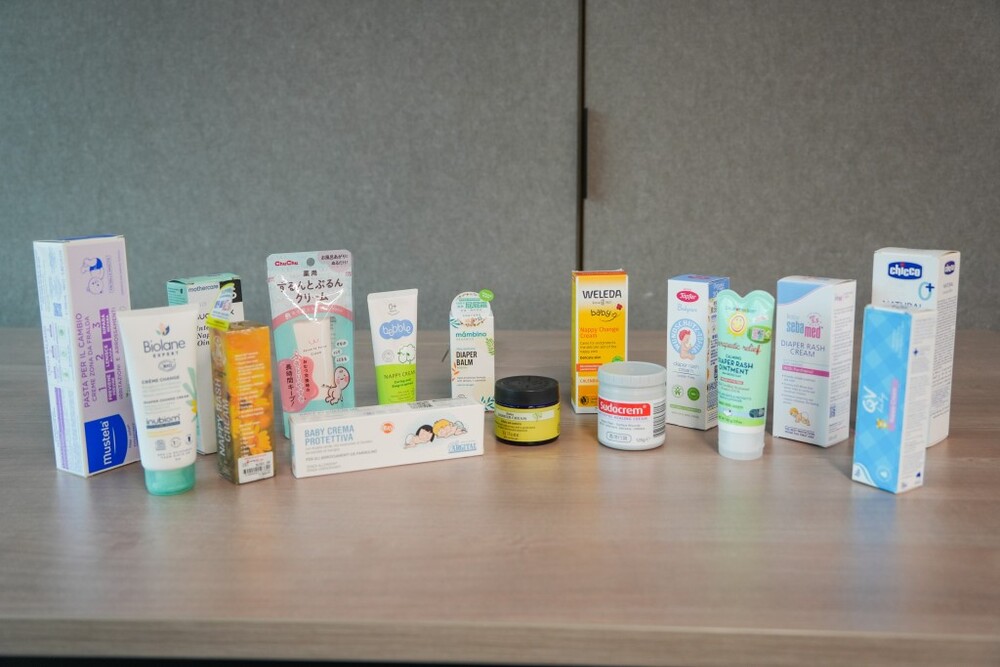
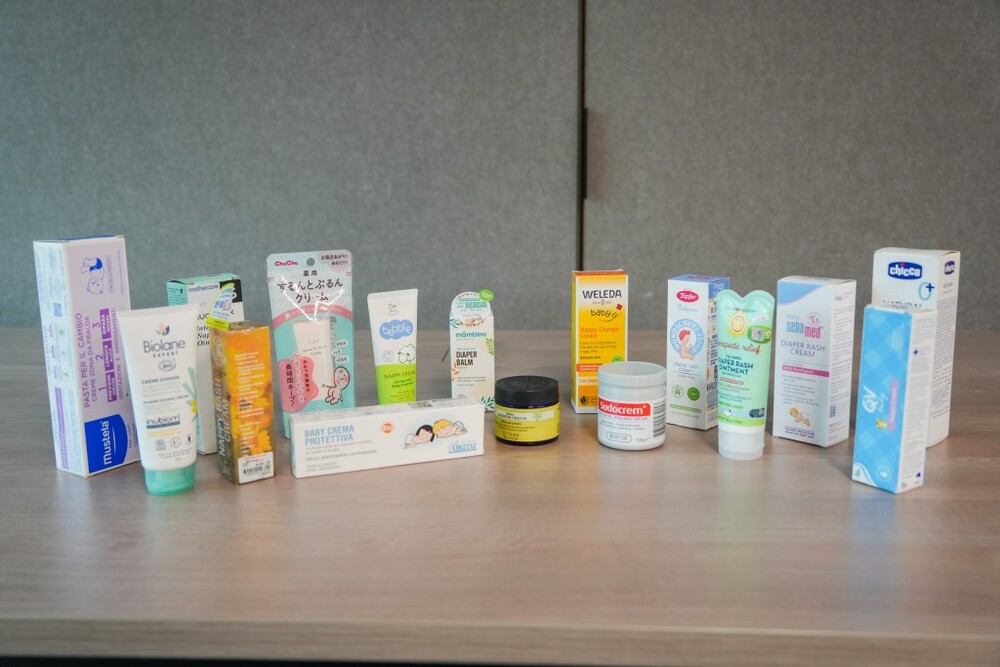
Parents are advised to conduct a patch test or consult pediatricians before applying nappy creams to their babies, as the Consumer Council has revealed that 75 percent of these products may contain potentially allergenic ingredients.
This guidance follows a review of 16 nappy creams available in the market, priced between HK$52 and HK$218 per container.
The watchdog found that 12 of these creams contained one or two categories of concerning ingredients, such as fragrances, essential oils, and plant extracts that may include terpenes, preservatives, or propylene glycol.
Chung Chi-yung, chairman of the committee on research and testing at the Consumer Council, highlighted the potential risks: "The addition of fragrances, essential oils, or certain preservatives in diaper rash creams may heighten skin sensitivity risks or even negatively impact the nervous system."
Notably, four products were found to be free of fragrances, essential oils, and related allergens: Biolane’s expert diaper change cream, Mustela’s vitamin barrier cream, Natural Aid’s nappy rash cream, and Suavinex’s intensive nappy ointment.
Conversely, Weleda Baby’s nappy change cream (calendula) contained the highest number of fragrance allergens -- six --among the tested samples.
Seven creams listed fragrances or fragrance allergens, while four others included plant extracts like lavender, rosemary, or sage without specifying concentrations.
Chan warned that such ingredients may contain terpenes, which could trigger adverse neurological reactions, including convulsions, according to guidelines from the European Directorate for the Quality of Medicines and HealthCare.
Moreover, two products -- Baby Sebamed’s diaper rash cream (for rashes with panthenol) and QV Baby’s nappy cream -- contained phenoxyethanol and methylparaben, both of which are restricted in infant products overseas.
The council referenced warnings from the US Food and Drug Administration, indicating that phenoxyethanol exposure through breast milk could lead to vomiting, diarrhea, or dehydration in infants.
The French National Agency for Medicines and Health Products Safety also advises against using phenoxyethanol in products for the diaper area.
Additionally, two creams contained propylene glycol, a substance associated with irritant contact dermatitis in young children.
A Polish study recommends avoiding this ingredient for children under two years old.
In light of these findings, the council urges parents to consult pediatricians before using rash creams and to prioritize products with minimal additives.
(Ayra Wang)